The Costly Spectacle of Shredding a Degree: What It Really Means for Your Future Paycheck
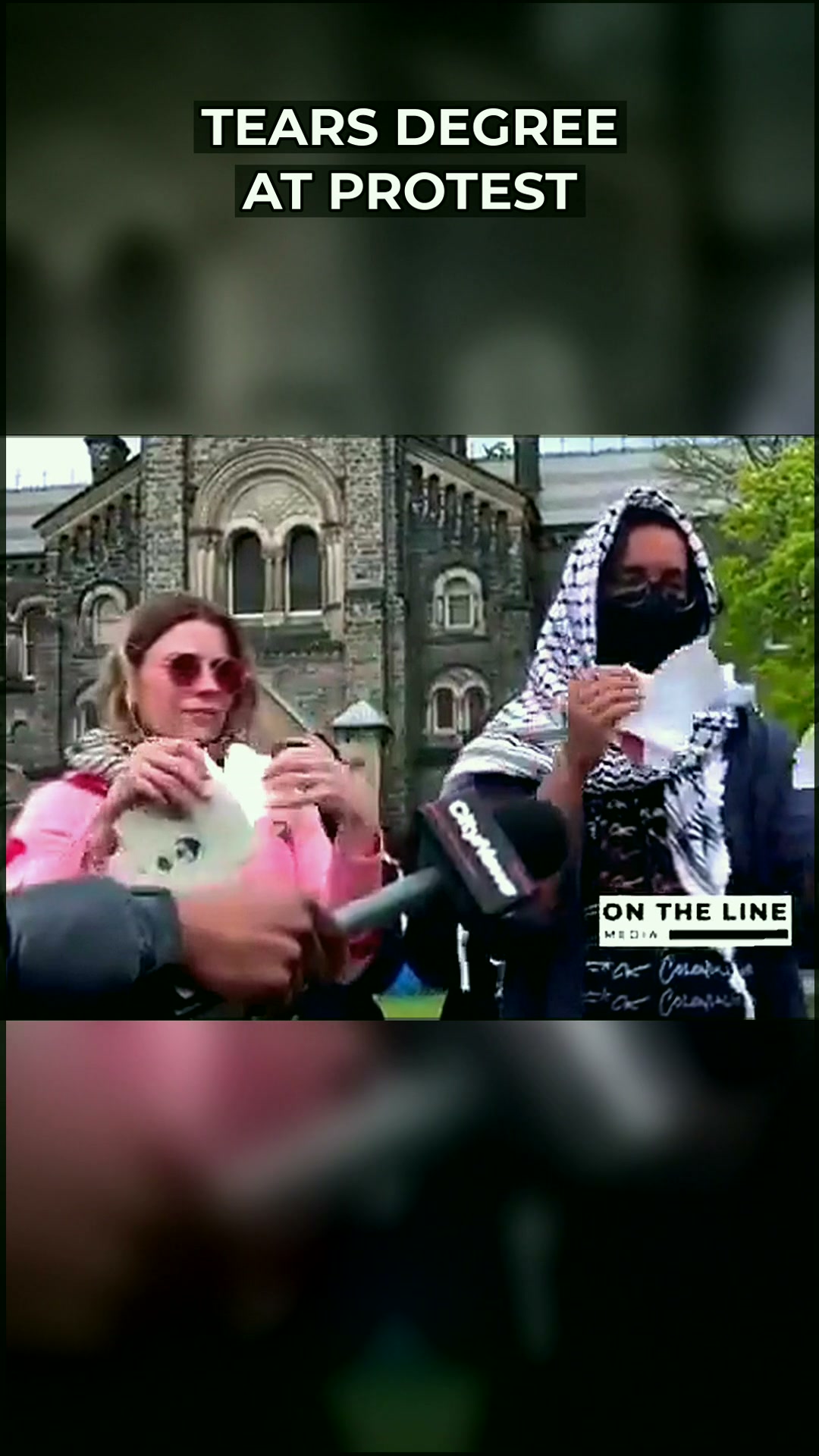
A public protest at the University of Toronto raises a burning question: Are you throwing away your leverage when you burn your own credentials?
- Destroying a diploma is a symbolic act, but it does not erase the student debt or the institutional record—only the physical paper.
- For workers, the degree is often the only leverage you have in salary negotiations. Symbolic destruction rarely translates to legal protection or financial gain.
- Understanding employment law and HR accountability is crucial. A protest outside a university does not change the contractual obligations you signed for tuition or loans.
Imagine spending two years of your life, thousands of dollars, and countless sleepless nights to earn a piece of paper that supposedly guarantees a brighter future. Now imagine ripping that paper to shreds in front of a crowd of cameras, declaring you are “ending your relationship” with the institution that gave it to you.
That is exactly what happened outside the University of Toronto. A non-binary student, draped in a Keffiyeh, tore their Master’s degree into confetti while announcing a very public breakup with academia.
The video is visceral. It is dramatic. It is the kind of protest that gets millions of views and sparks endless debate. But beneath the surface of this carefully staged moment lies a much harsher reality that every worker needs to understand.
While the act is designed to send a message to the university administration, the consequences of that action rarely stop at the campus gates. They follow you into the job market, onto your resume, and into the background checks that employers run before they even consider your application.
The Uncomfortable Truth About Your Credentials
Let’s be brutally honest here. In the current job market, a Master’s degree is often the only thing separating you from a stack of hundreds of other resumes. It is not just a piece of paper; it is a signal to hiring managers that you possess the discipline to complete a long-term project.
When you destroy that symbol publicly, you are not sticking it to the dean. You are broadcasting to every future employer that you are willing to discard your own hard work when you feel slighted. That is not a good look in a world where HR departments are looking for any reason to filter out candidates.
“Your degree is your leverage. It is the proof that you can show up, do the work, and deliver results. Burning that proof in a fit of rage is like a boxer punching himself in the face to show the referee he is serious.”
This protest raises a massive question about employer accountability and worker rights. While the student may feel they are fighting against an oppressive institution, the real world does not reward symbolic gestures. It rewards practical skills, emotional resilience, and the ability to navigate bureaucracy without self-destructing.
Your Rights When Bosses Push Too Far
Now, let’s pivot slightly to the core concern that this video should trigger in every working American: What happens when you feel so wronged by an institution that you want to burn it all down?
The answer, unfortunately, is not satisfying. In the realm of employment law, you have specific rights regarding wrongful termination, unpaid wages, and workplace discrimination. But those rights require evidence, documentation, and a clear head.
Destroying evidence of your own achievement—or publicly protesting without a clear legal strategy—does not strengthen your case. It actually undermines it.
If you are facing a dispute with your employer or university, the law does not care about your theatrics. It cares about your contract, your pay stubs, and your performance reviews. The individual in the video just destroyed a piece of paper that proved they completed a rigorous academic program. The institution still has the records, but the student has lost the symbolic capital that comes with a physical diploma.

The Legal Precedent
Let’s look at how the legal system views this type of protest. In employment law, there is a distinct difference between protected speech and conduct that breaches a contract or policy.
In the United States, the National Labor Relations Act protects workers who engage in “concerted activity” to improve wages and working conditions. But protesting a university policy regarding cultural symbols is a far cry from organizing a union or filing a wage claim.
Courts have consistently ruled that public destruction of property—even your own property—does not grant you immunity from the social consequences of your actions. If an employer sees this video and decides you are not a good fit for their corporate culture, that is not necessarily discrimination. That is a judgment call based on your public behavior.
The student claims to be “ending our relationship” with the university. But the university does not feel the loss. They already have the tuition money. They already have the enrollment statistics. The only person who lost something tangible is the student, who now has to explain this viral moment in every future job interview.

Accountability and the Digital Footprint
Here is the part that the protestors do not want to think about: the internet never forgets. This video will not disappear. It will resurface during background checks, during political discussions, and potentially during tenure reviews if the student ever pursues a career in academia.
In the era of social media, your outrage is your resume. And this particular resume now reads: “Will destroy years of work if I do not get my way.”
That is a terrifying reality for anyone who has invested heavily in their education. But it is the unedited truth.
If you are a worker feeling the squeeze from an overbearing boss, an unfair HR department, or a policy that feels discriminatory, do not take a page from this playbook. Document everything. Consult an employment attorney. File a formal complaint through proper channels.
Your rights are protected by law, but only if you exercise them with precision and strategy. Rage is not a legal strategy. It is a liability.

What Happens Next
The University of Toronto will continue operations tomorrow. The administration will not issue a refund. The student will still owe any outstanding student loans. And the world will move on to the next viral outrage.
But for the rest of us, this video serves as a sobering reminder to separate our emotions from our assets. Your degree is your leverage. Your job is your livelihood. And your reputation is the only currency that actually matters in the long run.
The silence from the university is deafening. The administration has not responded to the destruction. They do not need to. They have the power, the money, and the legal team. The protestor has nothing left but a pile of shredded paper and a video that will haunt them for the rest of their career.