She Ripped the Magazine From a Robber’s Gun: The Unsettling Reality of Fighting Back and the Long Path to Justice
When a routine walk turns into a life-or-death tussle, one student’s instinctive act of defiance raises a critical question: What happens after the adrenaline fades and the system takes over?
- An attempted robbery on a Chicago campus ended with the victim disarming the suspect, leaving behind critical forensic evidence.
- The legal process now hinges on DNA and fingerprint analysis of the magazine, underscoring the importance of preserving evidence for prosecution.
- Community accountability and victim support systems are vital in the aftermath of such traumatic public incidents.
It takes a split second for normal life to shatter. One moment, you are walking down the street, your phone in hand, mind buzzing with the day’s lectures. The next, you are staring down the barrel of a gun, your body moving on pure instinct, not rationality.
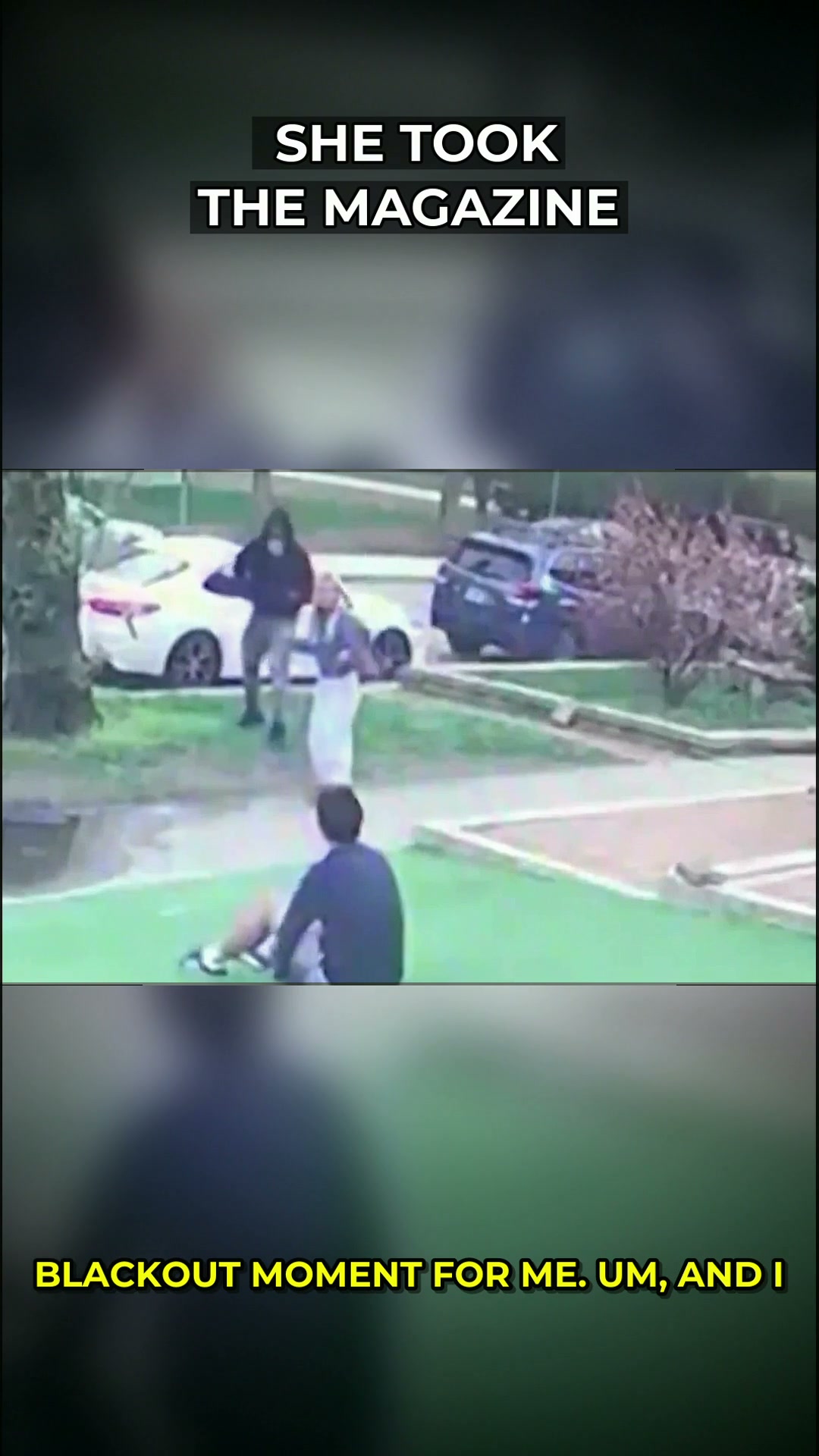
That is exactly what happened to 21-year-old Madelyn, a University of Chicago student, on a recent afternoon. A routine moment turned into a terrifying struggle for survival when a suspect demanded her phone and flashed a weapon to prove he meant business.
But what this alleged robber didn’t count on was Madelyn’s fierce reaction. Instead of freezing, she fought back, grabbing not just for her property, but for the very tool of intimidation itself.

The Blackout Moment That Changed Everything
Madelyn describes the incident as a “blackout moment.” In the chaos of the confrontation, her brain wasn’t processing a strategic plan; it was simply reacting to an imminent threat. “I was grabbing for maybe my phone, maybe the gun,” she later recounted, the shock still evident in her voice.
The pair got into a physical tussle, a desperate dance where the stakes were life itself. In that frantic scramble, Madelyn achieved the unthinkable. She managed to get her hands on the weapon and, with a surge of adrenaline-fueled strength, she ripped the loaded magazine clean out of the gun.
The suspect, reportedly looking “dumbfounded,” was left holding a disabled firearm. Faced with a victim who refused to be a victim, he chose to flee, hopping into a waiting getaway car. He got what he came for—her phone—but he left behind a piece of himself.
“I was grabbing for maybe my phone, maybe the gun. It’s really like a blackout moment for me.”
That loaded magazine, now safely in the custody of local authorities, is more than just a piece of metal. It is a ticking time bomb of evidence that could be the key to unlocking the suspect’s identity and bringing him to justice.

The Evidence Trail: How Justice Gets Served
In the world of criminal justice, the difference between a closed case and a cold one often comes down to the smallest details. Madelyn’s quick thinking provided investigators with a goldmine: a piece of equipment that the suspect handled, loaded, and carried.
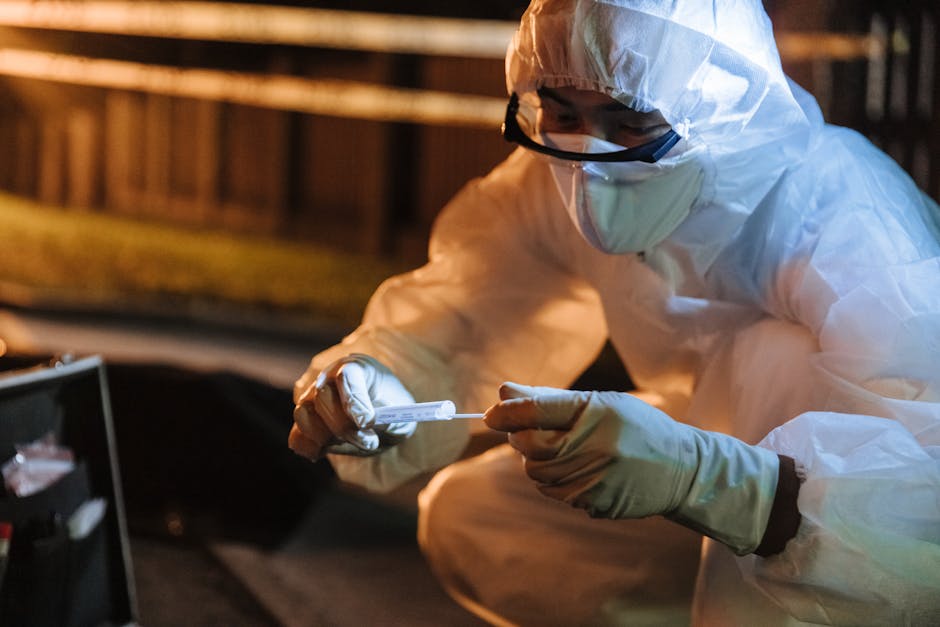
This magazine is now a physical witness to the crime. Forensic teams will be dusting it for latent fingerprints, hoping to pull a match from a database. They will also be swabbing it for touch DNA, the microscopic skin cells we all leave behind, which can provide an irrefutable genetic link to a suspect.
This evidence is the cornerstone of the legal process. It transforms a he-said-she-said scenario into a forensic certainty. It is the kind of break that detectives dream of, and it all happened because a young woman refused to be a passive target.
For the community, this incident serves as a stark illustration of the importance of vigilance and the power of a single person’s courage. It also shines a light on the reality that danger can lurk in the most familiar of places.
The Legal Precedent: What Happens Next?
While Madelyn’s physical bravery is the headline, the aftermath is where the system’s true test lies. The legal process for such crimes is multi-layered, focusing on accountability and consequence.
First, the evidence must be processed. The loaded magazine will be logged, analyzed, and compared against national databases. If a match is found, an arrest warrant will be issued, and the machinery of the justice system will grind into action.
For the victim, the path forward involves navigating a complex web of support and legal procedure. It is a time of emotional turmoil, where the shock of the event can linger long after the physical danger has passed. Community resources and victim advocacy groups play a crucial role in helping individuals like Madelyn regain a sense of normalcy and security.
The concept of community accountability is paramount here. When an individual commits such a brazen act, they attack not just a person, but the sense of safety shared by everyone in the area. The community’s response—outrage, demand for action, and support for the victim—is a critical component of the healing process and a deterrent for future incidents.
This case is a testament to the unpredictable nature of crime and the equally unpredictable nature of human resilience. Madelyn did not plan to be a hero; she simply acted when the moment demanded it. Now, the responsibility shifts to the legal system to follow through, to ensure that her act of defiance is not in vain and that the person responsible faces the full weight of the law. The investigation remains open, the suspect is still at large, and a community waits for the closure that only justice can bring.