The $20 Million Glove That Just Changed the Rules of Engagement
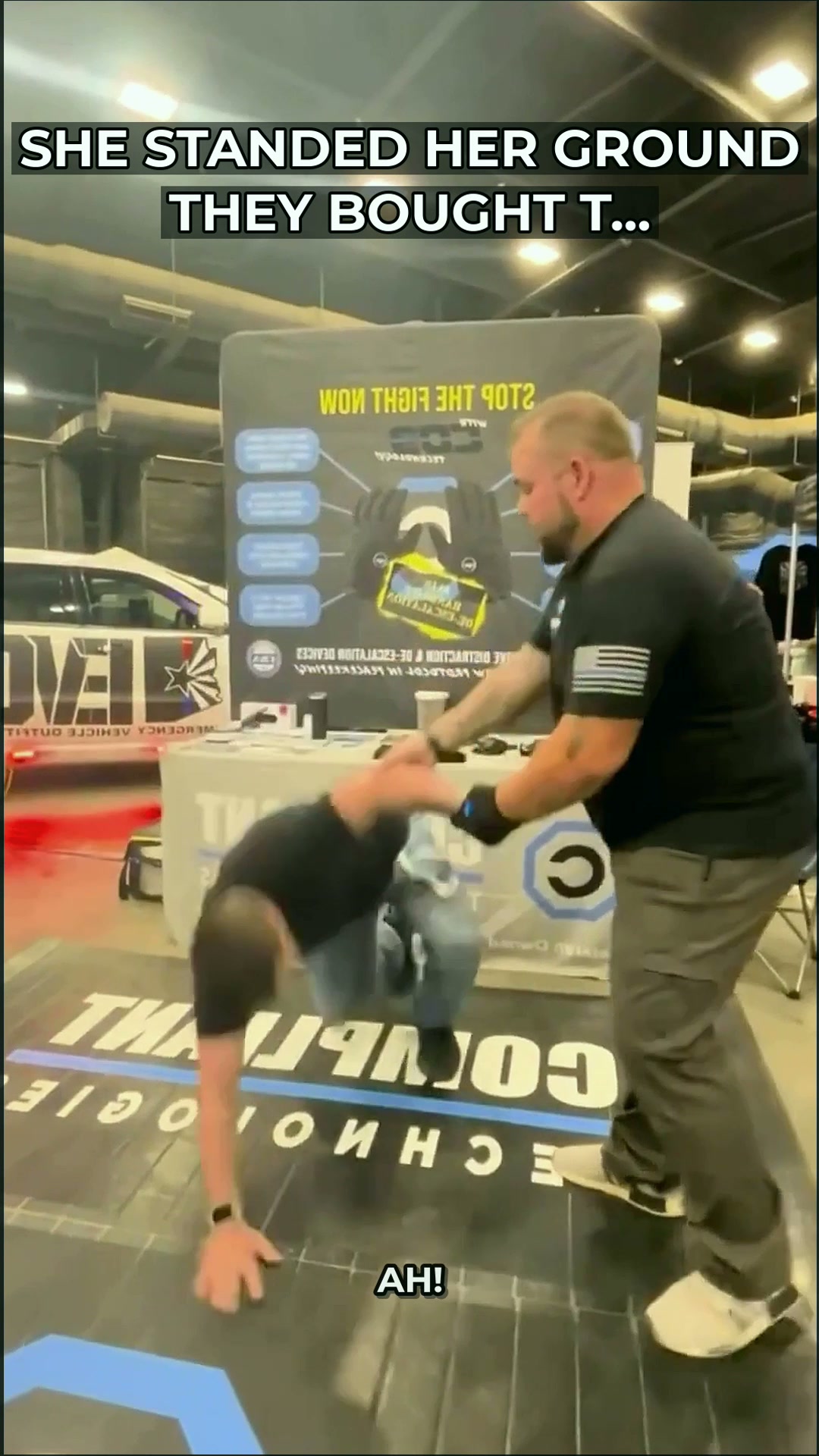
ICE’s new non-lethal weapon is sparking outrage, fear, and a hard conversation about power, restraint, and the future of public encounters.
- A newly revealed $20 million investment places a non-lethal shock glove directly into ICE’s tactical arsenal.
- The device is designed for close-quarters control, promising to end physical struggles in seconds.
- Viral demonstrations show intense physical reactions, raising serious questions about pain compliance and civilian safety.
- This development forces a broader discussion about the balance between enforcement power and human dignity.
Imagine standing in a narrow hallway, the air thick with tension. An officer raises a hand, not to gesture, but to press a device against a struggling individual. Within seconds, the fight is over. No baton. No taser. Just a glove that delivers a jolt powerful enough to drop a grown adult to their knees, screaming. That is the new reality ICE just bought into with a $20 million investment.
This isn’t science fiction. It’s a close-quarters control tool that is being rolled out as the ultimate answer to physical resistance. The marketing is bold: “Non-lethal close-quarters control that changes the entire fight.” But the demonstration footage tells a more visceral story. It shows grown men and women recoiling, yelping, and losing all composure the moment the glove makes contact. The sound is unsettling. The reaction is immediate. And the implications for everyday encounters are massive.

For the average American, this feels like a glimpse into a future where resistance is not just illegal, but physically futile. The glove is designed to end struggles before they escalate into deadly force. On paper, that sounds like a win for de-escalation. But watch the video, and you see the raw agony on the faces of the test subjects. This isn’t a gentle persuasion tool. It’s a weapon that works by overwhelming the nervous system with pain.
The Human Reaction That Says It All
The most viral moments from the demonstration aren’t the technical specs. They are the screams. One participant, a burly man who looks like he could bench press a fridge, lets out a high-pitched yelp that would make a cartoon character jealous. He crumples instantly. Another test subject tries to brace for it, but the moment the glove connects, all bravado evaporates. The reaction is primal. It’s the body overriding the mind, forcing compliance through sheer neurological overload.
“I scream like a little girl and pee myself. Go back with the glove.” — Unnamed test subject
That quote, captured in the chaos of the demo, is chilling. It strips away all the polished PR language and reveals the brutal truth about pain compliance. This isn’t about holding someone down safely. It’s about inflicting a sudden, overwhelming sensation that the brain cannot process. The result is instant submission, but at what cost to the human psyche?

We are talking about a tool that can be used on anyone. In the wrong hands, this becomes a device for torture, not control. The line between “non-lethal” and “cruel” is razor-thin, and it’s drawn by the intent of the person wearing the glove. The investment signals a shift toward a more aggressive, hands-on approach to apprehension. It tells the public that the system is willing to invest millions in tech that makes resistance a terrifying, painful experience.
The Legal Precedent and the Slippery Slope
This isn’t happening in a vacuum. Across the country, courts are grappling with what constitutes “reasonable force.” The introduction of a shock glove adds a new variable to that equation. If a suspect is resisting arrest, does the immediate use of a painful electric jolt fall within the bounds of the law? Or does it cross the line into cruel and unusual punishment? Legal experts are already questioning whether this tech violates the Eighth Amendment protections against excessive force.
Community leaders are sounding the alarm. They see this as another tool that will disproportionately affect marginalized communities. The glove is portable, concealable, and leaves no visible marks. That combination is dangerous. It allows for abuse without evidence. It empowers the officer to inflict pain without leaving a bruise, making it harder to prove misconduct after the fact.

The core of the issue is about accountability. If a taser fires, there is a record. If a baton strikes, there are marks. But a shock glove? It leaves behind only the memory of pain. This is the unedited truth of the matter: the technology is ahead of the oversight. The systems designed to police the police are not equipped to handle a weapon that leaves no forensic trace.
Why This Matters for Your Community
This isn’t just a story about ICE. It’s a story about the normalization of high-tech pain compliance. If this glove proves “effective” in the field, you can bet other agencies will want it. Your local sheriff’s department. Your state troopers. The security guard at the mall. The threshold for using this kind of force is dangerously low. It’s a tool that can be used in a crowded hallway, a family home, or a traffic stop, and the public will never see the bruises that used to signal a struggle.
The resilience of the community is now more important than ever. People are sharing this video not because they love the tech, but because they are terrified of it. The viral reaction is a form of resistance in itself. It’s a demand for transparency. It’s a plea for common sense to prevail over the allure of a “game-changing” gadget.
“Game on!!” — The chilling promise from the promotional material.
The human story here is one of fear, but also of awareness. We are watching the future of law enforcement unfold in real-time. The question is whether we, as a society, are willing to accept a future where compliance is forced through electronic agony, or whether we will demand that respect and dignity remain the foundation of every interaction. The glove is here. The investment is made. The only thing left to decide is whether we let this slide into silence.