The Night a Basketball Win Turned Into a Nightmare: A Golden Doodle, A Noise Complaint, and the Price of Institutional Overreach
When routine celebrations spiral into life-altering incidents, the question of accountability becomes impossible to ignore.
- A routine noise complaint in Los Angeles escalated to a tragic outcome for a family pet, raising serious questions about the scope of institutional response.
- The incident highlights a growing public concern over the use of force in non-violent situations, demanding clearer protocols and greater transparency.
- For everyday citizens, this serves as a stark example of why documenting every interaction and knowing your legal standing is no longer optional—it is essential.
Imagine the scene: your team just clinched a victory, the energy is electric, and you let out a cheer that echoes down the hallway. It is a moment of pure, unadulterated joy. But within minutes, that joy curdles into sheer terror as the doorbell rings, and the world outside your living room turns hostile.
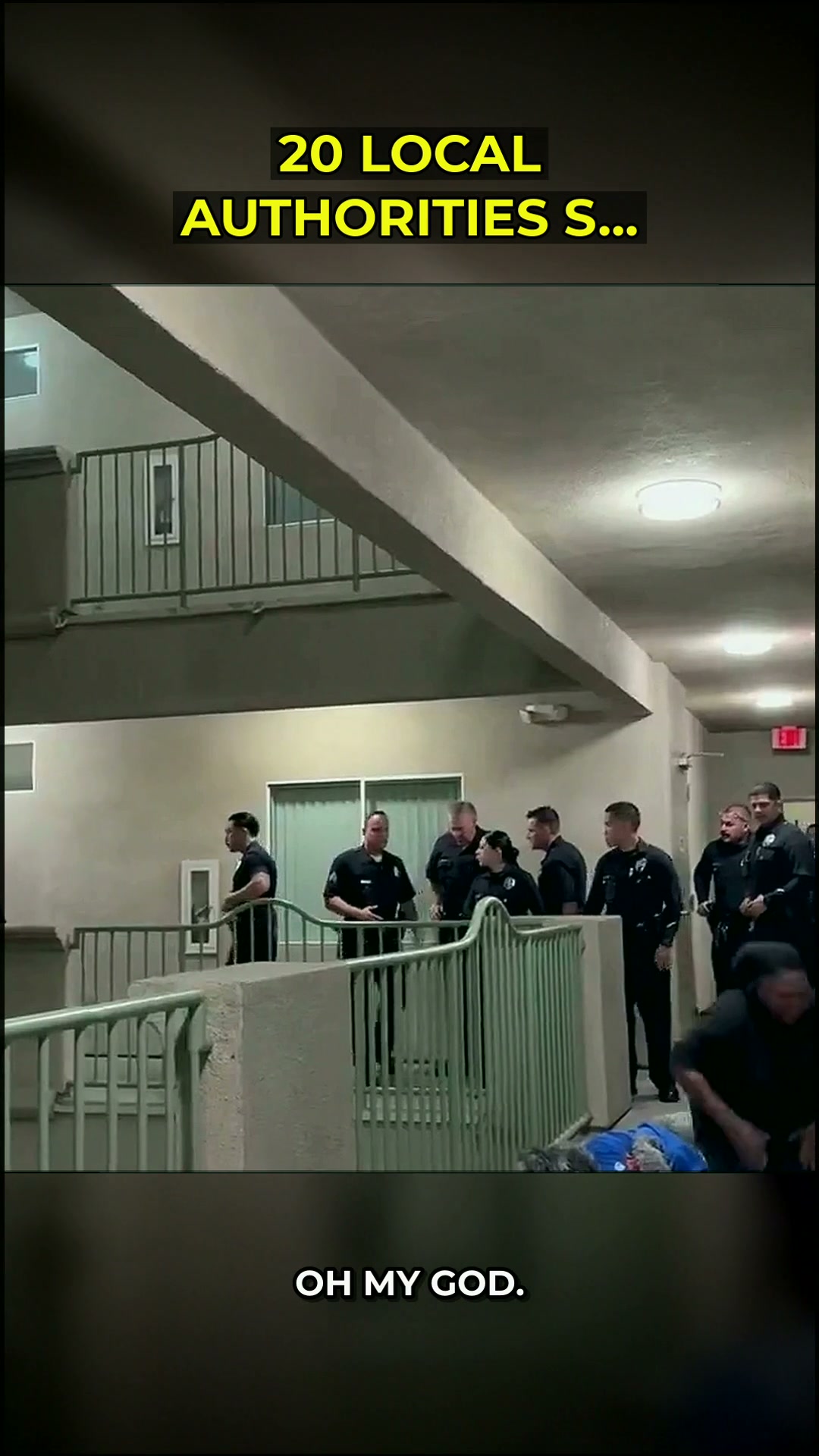
In Los Angeles, one woman’s celebration of a New York Knicks win spiraled into a nightmare that has left a community reeling and questioning the very fabric of public safety. A neighbor, bothered by the noise, made a call. What happened next was not a quiet word or a simple citation—it was a show of force that ended with a family pet, a “dangerous” Golden Doodle, shot dead on her own doorstep.

The video footage is chaotic, raw, and deeply unsettling. A woman’s voice cuts through the static, her words a mix of disbelief and desperation. “Seriously? For a dog?” she screams, the question hanging in the air like a fog. Onlookers echo her fury, their words painting a picture of a response so disproportionate it borders on the absurd. “When there’s drug dealers, people stabbing each other outside,” one voice trails off, the implication clear: why this?
A Response That Defies Logic
Let’s break down the arithmetic. A basketball game is on television. A fan cheers. A neighbor complains about the volume. And the official response is to dispatch a contingent of roughly twenty officers to the scene. Twenty. That is not a noise complaint response; that is a tactical deployment.
When the homeowner opened the door to address the commotion, she was not met with a conversation. She was met with a volley of force directed at her dog—a breed often described as a gentle family companion. The animal, confused and likely frightened by the sudden swarm of strangers, became the casualty of a situation that should have been resolved with a knock and a polite request to turn the volume down.
This is not about a single bad apple. This is about a systemic failure to calibrate responses to actual risk. It points to a culture where escalation is the default and where common sense takes a back seat to protocol—or worse, to fear.
“What is the purpose of all of you? This is what we pay for? Amazing work.” — A bystander’s scathing assessment of the operation.
The anger in that quote is palpable. It speaks to a broader sentiment that is hard to shake: that the institutions meant to protect are sometimes the ones inflicting the deepest wounds. And when the victim is a beloved pet, the wound is not just physical—it is emotional, psychological, and permanent.
The High Cost of Institutional Overreach
This tragedy is a microcosm of a larger, more troubling pattern. It forces a reckoning with the unchecked power of those who are supposed to serve and protect. When a routine call becomes a life-altering event, the public trust erodes, and the question of accountability becomes deafening.
For the average citizen, the takeaway is grim but necessary: you are on your own. You cannot rely on a flawed system to exercise judgment. You must protect what is yours with vigilance, documentation, and a clear understanding of your rights.

The aftermath of this incident is not a clean resolution. It is a messy, open-ended wound. The family is left without a companion. The neighborhood is left with a chilling memory. And the institution involved? It moves on to the next call, leaving behind a trail of questions that demand answers.
Why did a basketball game require a militia? Why was a family pet treated like a tactical threat? And why, in the richest country on Earth, does a noise complaint end in a funeral for a dog?
There are no easy answers. Only the lingering, bitter taste of injustice and the sobering realization that for many, the system is not a safety net—it is a trap.