The Unseen Toll of Urban Decay: How Trash-Filled Streets Are Testing the Patience of New York’s Most Affluent Neighborhoods
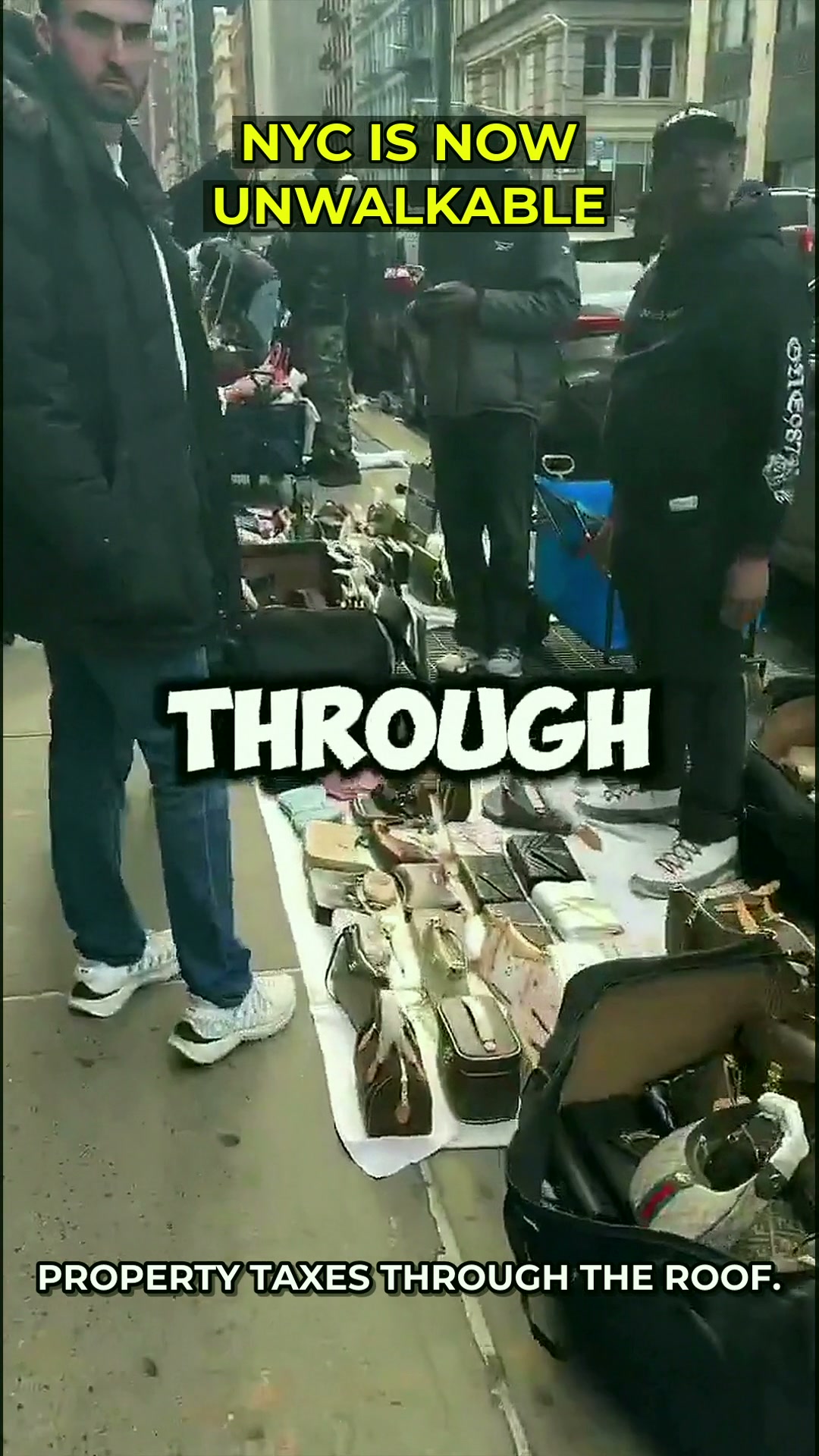
A walk through Tribeca and SoHo reveals a frustrating reality for residents who pay premium taxes for basic services.
- Residents in high-tax areas like Tribeca are seeing visible declines in street cleanliness, raising questions about municipal accountability.
- The issue poses specific health and safety concerns for senior residents who navigate these streets daily.
- Community leaders are calling for more transparent reporting channels to address sanitation failures promptly.
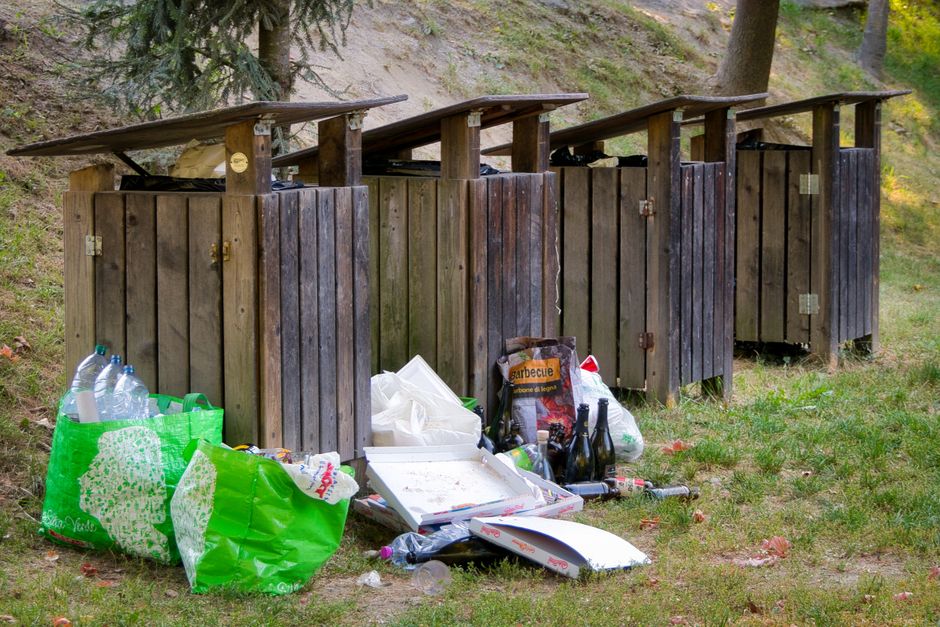
Imagine paying top dollar for a slice of the American Dream—a sleek Tribeca loft, cobblestone streets, and the promise of pristine urban living. Now imagine stepping out your door each morning to the smell of overflowing garbage and the sight of trash bags piled like modern art installations.
That is the reality check hitting some of New York City’s wealthiest ZIP codes. A recent walkthrough of Tribeca and SoHo shows a sanitation situation that has locals scratching their heads and asking one simple question: where is the accountability?
This isn’t about a single missed pickup. This is about a pattern of neglect that is creeping block by block, turning exclusive avenues into an unflattering mirror of urban mismanagement.
The High Price of Neglect
Property taxes in these neighborhoods are astronomical. Homeowners and renters alike contribute significantly to the city’s coffers, expecting a certain standard of service in return. When the streets look like a staging ground for a waste management strike, the frustration is palpable.
The video captures a resident walking just one block to demonstrate the scope of the problem. The message is clear: this is not an isolated incident but a spreading concern that threatens the character of these beloved neighborhoods.

For the senior community, this is more than an inconvenience. Navigating cluttered sidewalks with walkers or canes becomes a daily obstacle course. The risk of trips and falls increases, and the psychological toll of seeing your neighborhood deteriorate is real.
“This is the most expensive real estate in New York City, and this is what we get. It is spreading block by block.”
Community Resilience and the Call for Change
But here is the thing about New Yorkers: they do not go down without a fight. This video is not just a complaint; it is a rallying cry. It is a demand for common sense to prevail and for basic respect to be shown to the people who call these streets home.
Residents are starting to organize, sharing photos and documenting the frequency of the issue. They are pushing for clearer lines of communication with the departments responsible for keeping the city clean. The goal is not to point fingers but to find solutions that restore the quality of life they pay so dearly for.
The Legal Precedent and Senior Rights
There is a broader context here that involves the rights of residents, particularly the elderly, to a safe and accessible environment. Local laws mandate that sidewalks be kept clear of obstructions and hazards. When municipalities fail to enforce these standards, they open themselves up to liability and, more importantly, to the erosion of public trust.
For seniors on fixed incomes, the idea of their property values dropping due to neighborhood blight is a terrifying prospect. Their homes are often their largest asset, the nest egg they rely on for retirement security. Watching that investment be undermined by overflowing dumpsters is a violation of their financial safety.
The conversation is shifting from simple annoyance to a demand for structural accountability. How are sanitation routes determined? What is the response time for complaints? Why are affluent areas with the highest tax contributions seeing such a visible decline in services?
These are the questions that deserve answers. The residents of Tribeca and SoHo are not asking for special treatment; they are asking for the baseline services that any taxpayer should expect. The longer the trash piles up, the louder the calls for justice will become.
The situation is a snapshot of a larger urban challenge, one that pits the promise of city living against the gritty reality of its maintenance. For now, the bags sit on the curb, a testament to a problem that is not going to disappear on its own. The residents are watching, documenting, and waiting to see if their voices will finally be heard above the smell.