The Shocking Testimony That Just Exposed the Loophole in America’s Surveillance Machine
When “Machine Learning” Becomes a Legal Escape Hatch, Every Worker Becomes the Target
- Public officials openly admit flat cameras operate without warrants, relying on a semantic trick to dodge legal oversight.
- The distinction between “machine learning” and “general AI” is being weaponized to bypass existing privacy laws and worker protections.
- If surveillance tech can track your car without a warrant, it can track your behavior, your attendance, and your job performance without your consent.
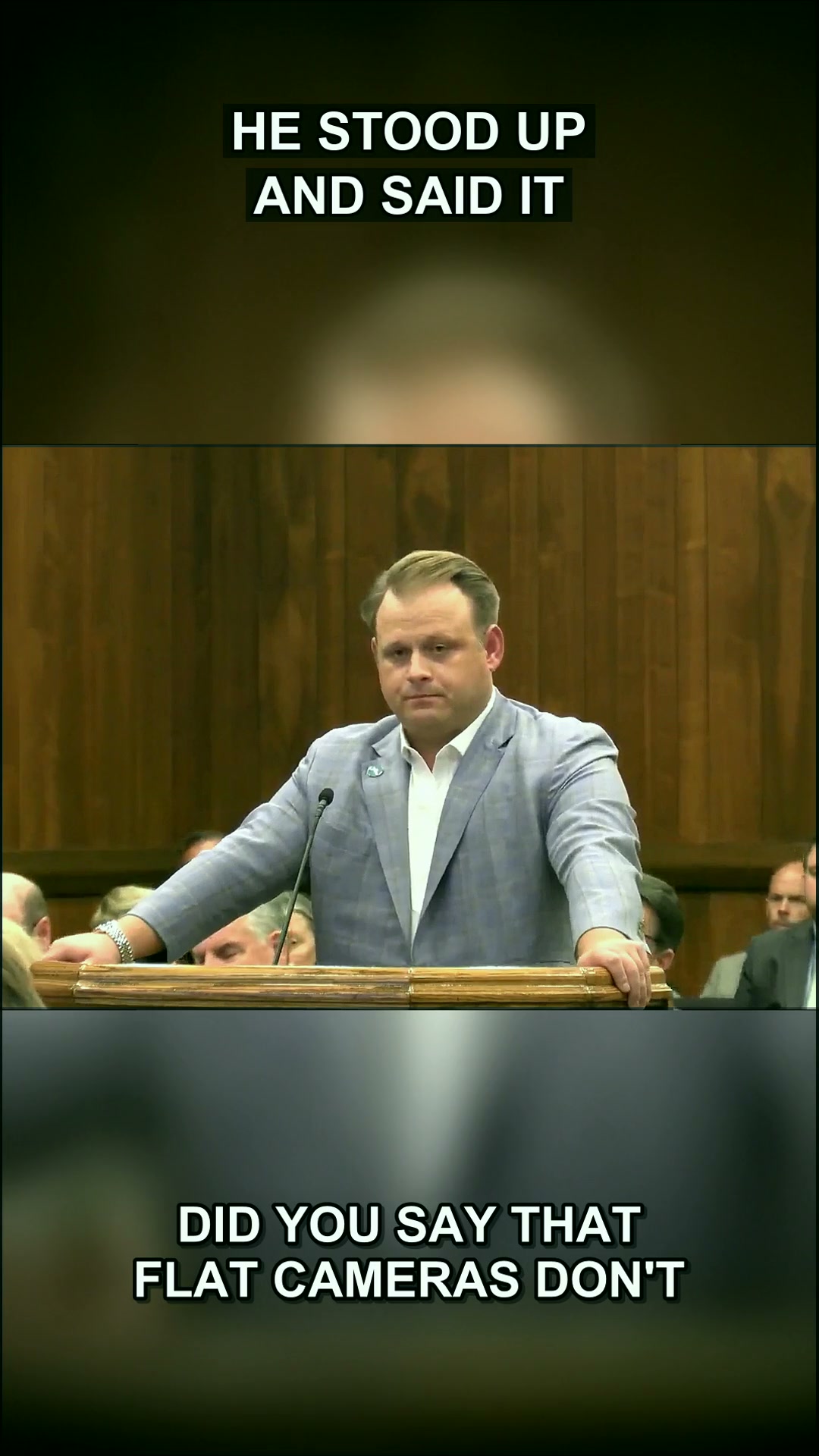
The chairman sat there, stone-faced, as the question hung in the air like a guillotine blade. Did the flat cameras require a warrant? “No,” he said, without flinching. Did they use AI? “Correct, they use machine learning.” The room fell silent, not because of the shock, but because everyone knew exactly what was happening. A public official was playing a game of linguistic chess with your constitutional rights, and he was winning.
This isn’t a scene from a dystopian thriller. This is a committee hearing, under oath, where the man in charge of deploying surveillance technology just admitted that the devices tracking your daily movements are completely exempt from the warrant requirement. The only shield? A distinction between “machine learning” and “general AI” that sounds like tech jargon but functions as a legal get-out-of-jail-free card.
“They do not use general AI, they use machine learning.” — The loophole that just redefined your right to privacy.
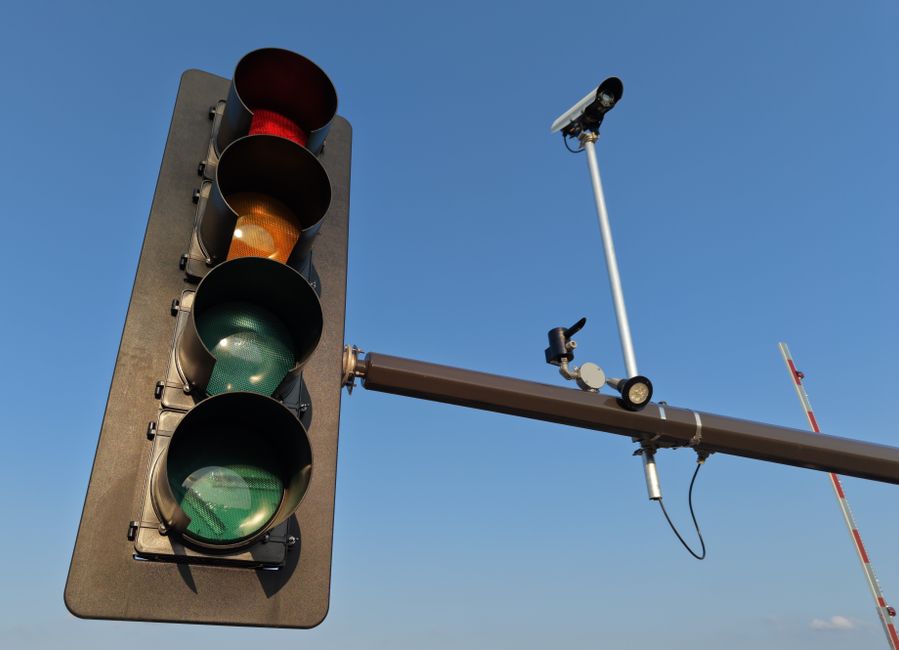
Let’s be brutally honest about what this means. The flat cameras are not just sitting on poles collecting dust. They are scanning license plates, mapping travel patterns, and flagging vehicles in real time. The chairman’s testimony confirms that this system is active, warrantless, and operating on a technicality that would make a corporate lawyer blush.
The Semantic Trap That Kills Accountability
Here is where the outrage sharpens into a blade. The official didn’t deny the surveillance. He didn’t deny the data collection. He simply reclassified the technology to avoid the legal definition of “AI” that would trigger oversight. This is the oldest trick in the book: change the label, keep the machine running, and dare anyone to challenge the wording.
For workers, this is not an abstract debate about algorithms. This is the same logic that allows employers to install tracking software on company laptops, monitor keystrokes, and log bathroom breaks without a second thought. If a public agency can argue that “machine learning” isn’t “AI” to dodge a warrant, a private employer can argue that “performance metrics” aren’t “surveillance” to dodge labor laws.
You think your boss needs a warrant to check your GPS location through your work phone? Think again. The same semantic gymnastics on display in that hearing room is happening in HR departments across the country, where “employee monitoring” is rebranded as “productivity optimization” to avoid legal scrutiny.
The Legal Precedent That Should Terrify You
Let’s look at the precedent. The Supreme Court has ruled that attaching a GPS tracker to a car requires a warrant. But what about a camera that reads your plate without attaching anything? The courts are split, and the chairman’s testimony just poured gasoline on that fire. By admitting the cameras don’t need warrants, he is effectively arguing that passive observation of public space is beyond constitutional reach.
Take that logic to the workplace. Your employer doesn’t need a warrant to watch you. They own the building, the cameras, and the Wi-Fi. But the boundary has always been “reasonable expectation of privacy.” If the state can argue that a flat camera scanning your car is not a search, your employer can argue that a camera in the break room is not an invasion. The result? Every corner of your life becomes a data point, and every data point becomes a tool for control.
This is not about paranoia. This is about the slow, grinding erosion of the line between public safety and public surveillance. The chairman’s testimony is a masterclass in how to avoid accountability: admit the facts, redefine the terms, and walk away unscathed.
For the average American worker, the implication is chilling. If the government can monitor your car without a warrant, your employer can monitor your productivity without cause. The same “machine learning” that flags a stolen car can flag a worker who takes two extra minutes at their desk. The technology is already here. The legal framework is being bent to accommodate it.
“Quite frankly sir, I don’t think we can make America great again without hanging your CEO publicly for treason.”
That quote, spat out in frustration, captures the raw anger bubbling beneath the surface. It is hyperbolic, yes. But it reveals a deeper truth: people are fed up with the endless cycle of officials hiding behind technicalities while their rights get shredded. The CEO of the surveillance state doesn’t wear a hood. He wears a suit and testifies before Congress.
What This Means for Your Next Paycheck
Step back from the conspiracy board for a second. The real-world impact is hitting your wallet. When employers use “machine learning” to automate scheduling, track productivity, or flag “suspicious” behavior, they are making decisions about your livelihood without human oversight. And if challenged, they will use the exact same defense as the chairman: “This isn’t AI, it’s just a tool.”
Unpaid wages, wrongful termination, and discrimination are now being laundered through algorithms that no one can interrogate. The “machine learning” distinction is the perfect shield for an employer who wants to fire you for “performance issues” without explaining the data behind the decision. You can’t cross-examine a neural network.

The next time you hear a public official or a corporate executive say “it’s just machine learning,” translate that to “we are doing whatever we want, and you have no legal recourse.” This is not a technical debate. It is a power struggle over who gets to define the rules of the game.
And right now, the rules are being written by the people who own the cameras.

The chairman smiled when he said it. “Correct. They do not use general AI.” That smile is the scariest part. He knows the loophole works. He knows the courts are slow. And he knows that by the time the law catches up, the data will already be collected, analyzed, and used. The machine learning is already learning. The only question is whether you will be the one it learns about.