The High Cost of Cutting in Line: Why a Fast-Food Dispute Is a Warning About Your Legal and Financial Exposure
When a simple act of rudeness escalates into a physical clash, the aftermath can drain your savings and land you in a legal maze you never expected.
- Physical disputes over minor slights can trigger civil lawsuits for assault and battery, exposing participants to significant out-of-pocket damages.
- Business owners hold a legal duty to maintain a safe environment, but their liability often hinges on whether they had prior notice of a threat.
- Insurance policies, including renters or homeowners, may offer coverage for legal defense in personal injury claims, but exclusions for intentional acts are common.
Imagine standing in line for a quick coffee, only to have a stranger try to shove past you with a glare that says, “Move, or else.” You hold your ground. Words are exchanged. Within seconds, the entire restaurant erupts into a chaotic brawl over a spot in the queue and a few dollars for a meal.
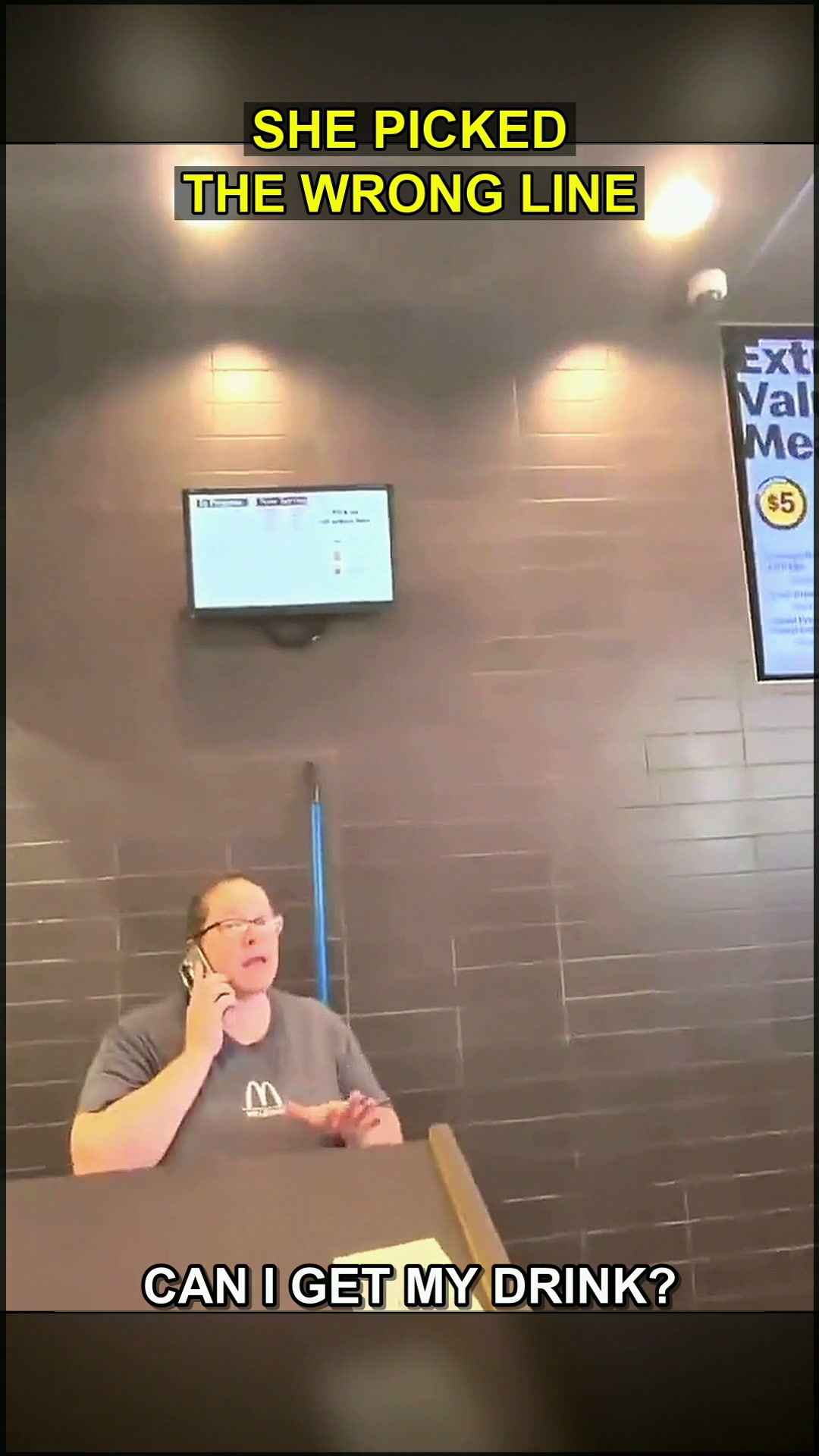
That is exactly the scene captured in a startling video from a McDonald’s. A customer attempted to bypass another woman waiting for her order. The silent assumption was that the other person would back down. She did not. What followed was a storm of profanity, shoving, and spilled drinks, with innocent bystanders forced to play referee in a dispute that should have ended with a simple “excuse me.”
While the footage is jarring, the real story lies in the aftermath. Beyond the bruised egos and the viral notoriety, there is a harsh financial reality waiting for everyone involved. In today’s America, a moment of public rage can morph into a long, expensive legal battle that follows you far beyond the parking lot.
The woman who refused to yield is being celebrated online for not caving to intimidation. But standing your ground physically, rather than legally, carries a price tag that no viral fame can cover. When you put your hands on another person, even in the heat of the moment, you are no longer just a victim of rudeness; you become a potential defendant in a civil lawsuit.
“The line jumper assumed silence and submission. What she got was a fight she wasn’t prepared to finish, and a legal liability she likely never saw coming.”
The Financial Trap of “Standing Your Ground”
Let’s talk about the real cost of this clash. In the eyes of civil law, the physical contact seen in the video opens the door to a claim for battery. This is not a criminal matter handled by local authorities; it is a personal injury lawsuit where the alleged victim can seek compensation for medical bills, emotional distress, and even lost wages.
If the woman who initiated the physical contact is sued, she faces a stark choice: pay for her own legal defense, which can easily run into the tens of thousands of dollars, or hope that her renters or homeowners insurance policy extends liability coverage. Most standard policies exclude intentional acts, meaning the insurer will likely drop the case and leave the individual holding the bag.
Then there is the matter of the McDonald’s franchise itself. The property owner has a legal obligation to keep patrons safe. If it is determined that the staff had time to intervene or that the location has a history of such incidents, the business could be named in a lawsuit for negligent security. The cost of settling such claims often leads to higher menu prices, a burden passed directly to the everyday consumer.
The Legal Precedent and Consumer Rights
This incident highlights a critical gap between what people think they can do and what the law actually protects. Many believe that if someone cuts in line, they have the right to physically remove them. This is false. Self-help is strictly limited. The legal system expects you to disengage, alert the management, and if necessary, call the authorities. The moment you escalate to physical contact, you lose the moral high ground and the legal protection that comes with it.
Consumer rights laws do protect you from fraud and unsafe products, but they do not protect you from your own decision to engage in a physical dispute. The accountability lies with the individual who chooses to throw a punch or shove a stranger, not with the system that failed to enforce queue etiquette.
For the average person watching this video, the takeaway is chillingly simple. Your financial stability can be jeopardized in the five seconds it takes to react to an insult. The cost of a legal defense, the potential for a civil judgment, and the loss of reputation are far heavier burdens than the indignity of letting a rude person cut in front of you for a soda.
The video ends with the chaos continuing, the shouting unresolved, and the drinks still unpaid. The cameras stop rolling, but the consequences are just beginning to brew. The individuals involved are likely to face a mountain of legal paperwork, and the bills will arrive long after the bruises have healed.

In the end, the woman who cut the line got exactly what she wanted: attention. But the price of that attention is a potential lawsuit, a permanent criminal record if charges are pressed, and a public spectacle that will follow her for years. The woman who stood her ground won the battle but may have just lost the war, a war fought not with fists, but with subpoenas and legal fees.
The Unforgiving Bottom Line
This is the unedited truth about public confrontations: there are no winners, only survivors who are poorer for the experience. The next time someone tries to push past you in line, remember that the cheapest and safest response is to let them go. Their victory is a few seconds of your time. Your victory is avoiding the financial trap that is now set for the people in this video. Let them have the spot in line; they are going to need all the savings they can get for the legal battle ahead.