The Unshakeable Calm of a Streamer Who Has Seen It All: Nina’s Dinner Interrupted by the 9th False Alarm
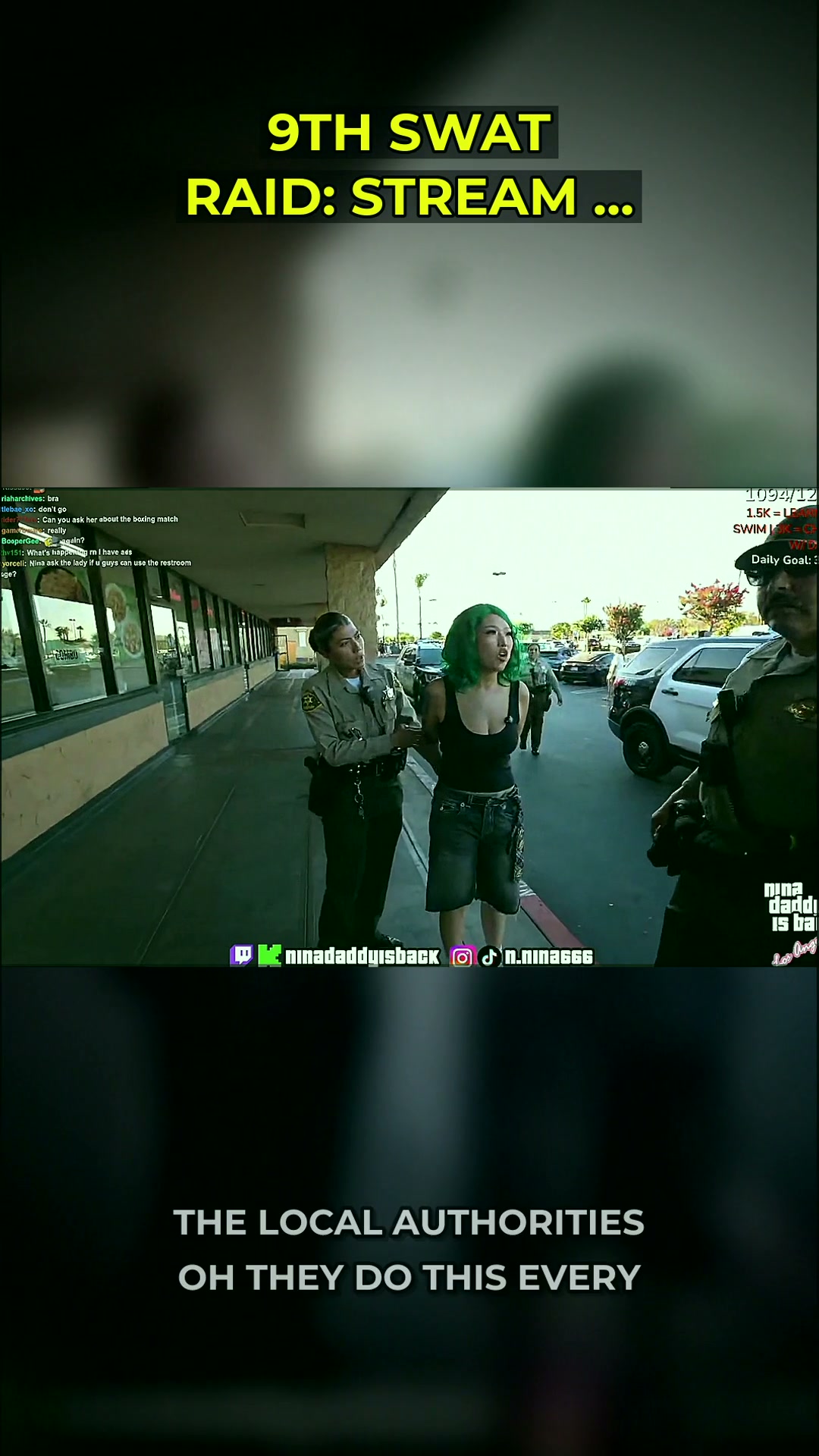
Why a quiet meal turned into a standoff of patience, proving that resilience is the only currency that matters in the digital age.
- Nina faced her ninth swatting incident, a targeted harassment tactic that wastes emergency resources.
- The streamer’s reaction highlights a disturbing normalization of these disruptions among content creators.
- This moment underscores the urgent need for accountability and legal consequences for those who make false reports.
Picture this: you are sitting down for a bite to eat, the conversation is light, the mood is easy. Then, the door swings open. It isn’t a friend. It is a full-scale security response, triggered by a lie designed to ruin your night.
For Nina, a veteran live streamer, this isn’t a nightmare scenario. It is just another Tuesday. Or perhaps a Wednesday. The specifics blur when you have been through this eight times before. The ninth time, however, is happening right now, in the middle of a restaurant, while the world watches.

The video feed captures the confusion. “They call the authorities on us all the time,” a voice says, the tone flat, almost bored. “They do this every other day.” There is no panic. There is no shouting. There is only a weary, practiced patience as they instruct a friend to stay put and wait for the reality to sink in.
The Boy Who Cried Wolf, Digitized
This is the modern iteration of a classic fable, but the stakes are infinitely higher. Swatting is not a prank. It is a coordinated act of aggression that weaponizes the fear of law enforcement. It sends heavily armed responders to an unsuspecting location, turning a peaceful dinner into a potential powder keg.
What is most jarring about the footage is the absence of shock. Nina and her crew don’t dive under the table. They don’t beg for mercy. They simply stand up, explain the situation, and wait. They have become desensitized to the intrusion, a sad testament to the frequency of this specific brand of harassment.

The question that hangs in the air, thick as the restaurant’s fryer smoke, is simple: Why? Why does this keep happening? Is it jealousy? Is it boredom? Or is it a complete breakdown of common sense and basic respect? The individuals behind these calls are not just inconveniencing a streamer; they are putting every patron in that building at risk of a dangerous misunderstanding.
“There is no one here. We are literally eating. The level of harassment is beyond logic.”
This isn’t just about one person’s career. It is about the erosion of trust in the systems designed to protect us. When false reports become a tool for online vendettas, they drain resources from real emergencies. They teach responders to hesitate, and that hesitation, born from cynicism, can cost a life.
The Human Cost Behind the Screen
Beneath the surface of the blinking camera lights and the chat scrolling with emotes, there is a human being. Nina is trying to work, to connect with her audience, and to live a normal life. The constant threat of a swatting incident doesn’t just interrupt a meal; it creates a low-grade, persistent anxiety that follows her everywhere.
Every time she goes live, she knows the clock is ticking. She is not just performing; she is bracing for impact. This is the unspoken burden of the digital creator, the price of visibility in an era where accountability is a foreign concept to those hiding behind anonymous accounts.

The resilience shown here is not a celebration of strength; it is a survival mechanism. They have learned to smile through the disruption, to keep the show going even when the real world crashes the set. They have learned that fear is a luxury they cannot afford, because giving in to it means letting the trolls win.
The Legal Precedent
There is a growing recognition that these digital attacks are not victimless crimes. Recent cases across the United States have seen judges hand down significant prison sentences to individuals convicted of making false emergency reports that lead to swatting. The justice system is finally starting to treat these incidents with the severity they deserve, acknowledging that the psychological toll and the potential for physical harm are very real.
Yet, the deterrent is not strong enough. The anonymity of the internet still provides a shield for cowards who believe they are untouchable. The callousness of the act, repeated nine times, shows a blatant disregard for the law and for the safety of others. It is a cry for attention that borders on the pathological, and it demands a response that matches its severity.
The scene ends not with a dramatic arrest or a tearful apology, but with a quiet instruction: “Just stand right here. Keep down the hill.” It is an anti-climax, a bureaucratic resolution to an absurd situation. The authorities leave, the diners return to their meals, and the stream continues.
But the damage is done. Another scar is added to the collective psyche of the streaming community. Another precedent is set that this behavior will be tolerated until the legal system catches up to the speed of the internet.
For Nina, the show must go on. The dinner is cold. The mood is broken. And somewhere out there, the person who made the call is likely laughing, watching the clip, and planning the next disruption. The only question is whether the next false alarm will end with the calm resignation of a professional, or with a tragedy that no one can scroll past.