The 96-Second Nightmare: A New Car, A Routine Stop, And The Brutal Math of Accountability
When a simple drive turns fatal, the search for justice collides with a system that often protects its own.
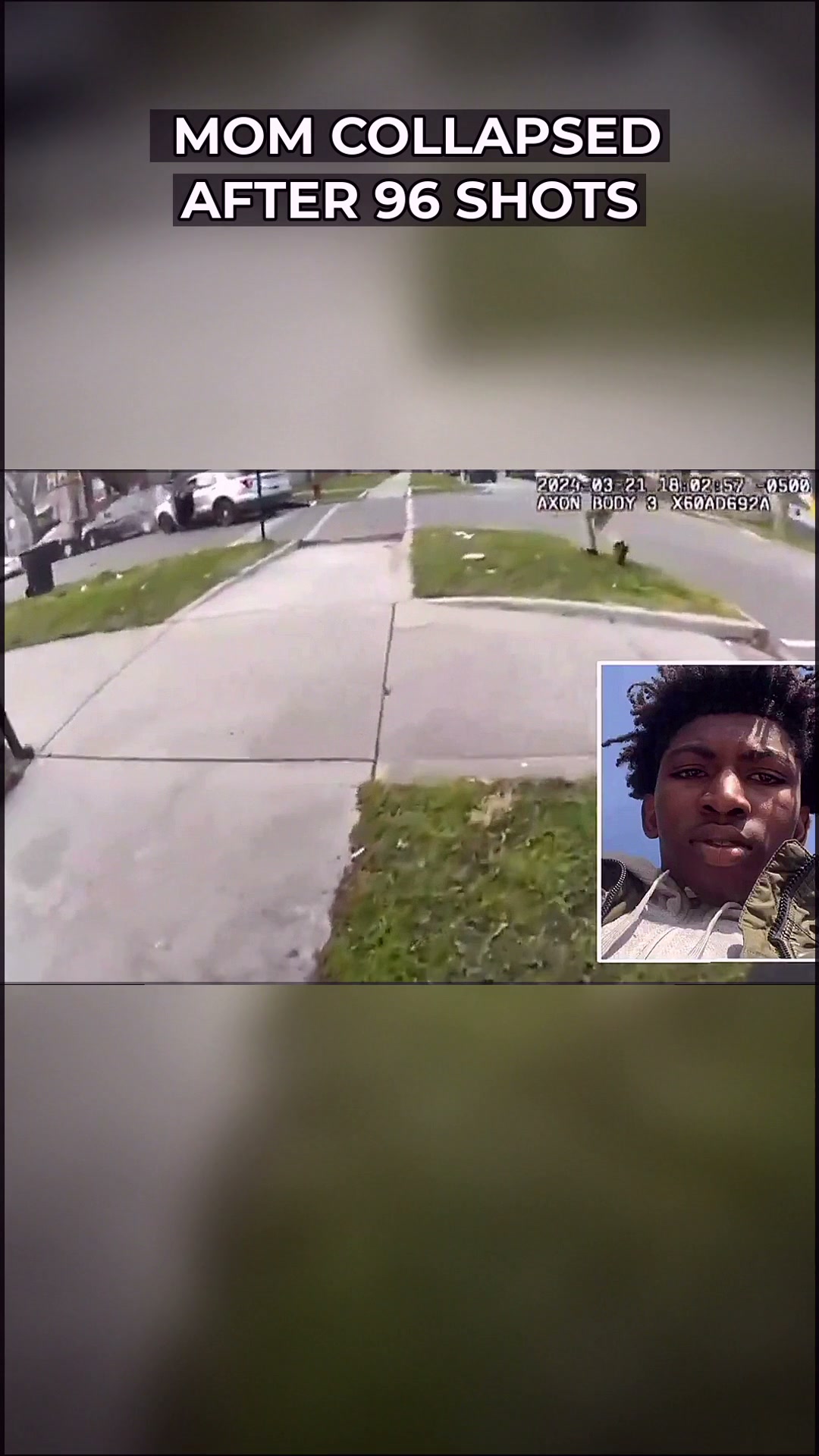
- The release of body camera footage showing 96 rounds fired in under a minute has reignited the national debate over use of force and transparency.
- Dexter Reed’s family is demanding answers, highlighting the emotional toll on loved ones left behind to seek justice.
- This incident underscores the critical need for citizens to understand their legal rights during traffic stops and the limits of authority.
He was just going for a ride. Three days earlier, Dexter Reed had done what so many of us dream about—he bought a new car. A symbol of freedom, of progress, of making it. On that fateful day, he told his mother he was heading out to enjoy it. That simple statement turned out to be his last.
The video footage is nothing short of staggering. In less than sixty seconds, the sound of 96 gunshots rings out. Ninety-six. That is not a typo. That is the official count from the video that has now been thrust into the public eye, leaving a community reeling and a family shattered.

The Weight of a Moment Captured on Camera
We are living in an era where everything is documented. Our phones are always on, and dash cams are standard. Yet, when the footage is finally released, it often raises more questions than it answers.
In the wake of the release, the emotional center of this tragedy became undeniably human. During a press conference meant to address the footage, Reed’s mother collapsed, overcome by the gravity of what she had just seen and the reality that her son is gone forever. It was a raw, unscripted moment of grief that cut through the noise of legal jargon and official statements.
“He said, Mom, I’m going for a ride. And they killed him.”
This is not a statistic. This is not a political talking point. This is a mother who has to bury her child. The visceral pain on display serves as a sobering reminder of the human cost that lingers long after the headlines fade.

The Legal Precedent: What Are Your Rights?
When the siren lights up in your rearview mirror, do you actually know what is expected of you? The law is clear on the basics: you must pull over safely. But what happens next can be a confusing and terrifying blur of adrenaline and conflicting instructions.
In this case, the sequence of events escalated with dizzying speed. The interaction moved from a standard stop to a barrage of gunfire in a matter of moments. As the footage circulates, legal experts and the public alike are dissecting every frame, asking whether the response was proportional to the situation.
The core question is one of accountability. When authority figures cross a line, what recourse does the average person have? The legal system offers pathways, but they are often long, expensive, and emotionally draining.
Beyond the immediate legal battle for justice in this specific case, there is a broader implication for every citizen. It forces a difficult conversation about the balance of power and the protections that are supposed to exist for the public.
Understanding your rights is not about being confrontational; it is about being informed. It is about knowing that you have the right to remain silent and the right to an attorney. It is about recognizing that a traffic stop should not feel like a life-or-death gamble.
The Unanswered Questions and the Demand for Change
The release of the video is not the end of the story; it is the beginning of a grueling process. The family is demanding transparency. The community is demanding justice. And the country is watching to see if the system will actually hold anyone accountable for the 96 shots fired.
There is a distinct feeling of frustration that permeates these situations. It is the frustration of watching a tragedy unfold and wondering if anything will truly change. Will there be a settlement? Will there be an internal review that concludes with a vague statement about policy violations?
The unedited truth is that for many families, the fight for justice becomes their new full-time job. They are thrust into a world of legal procedures, media scrutiny, and a relentless pursuit of answers that may never fully come. They become advocates not by choice, but by circumstance.
The question that hangs in the air is whether the system can police itself. History has shown that true accountability often requires immense public pressure. The video is the catalyst, but the outcome depends on the willingness of institutions to look inward and make difficult changes.
For the rest of us, this incident is a chilling reminder of our own vulnerability. It is a prompt to ask ourselves how we would react in that split second, and to acknowledge that the rules we assume govern these interactions can break down in the most catastrophic way imaginable. The tape does not lie, but the process of justice remains painfully opaque, leaving a family and a city waiting for an answer that may never feel sufficient.