The Unthinkable Silence: How a Survivor’s Words Became a Crime in Toronto
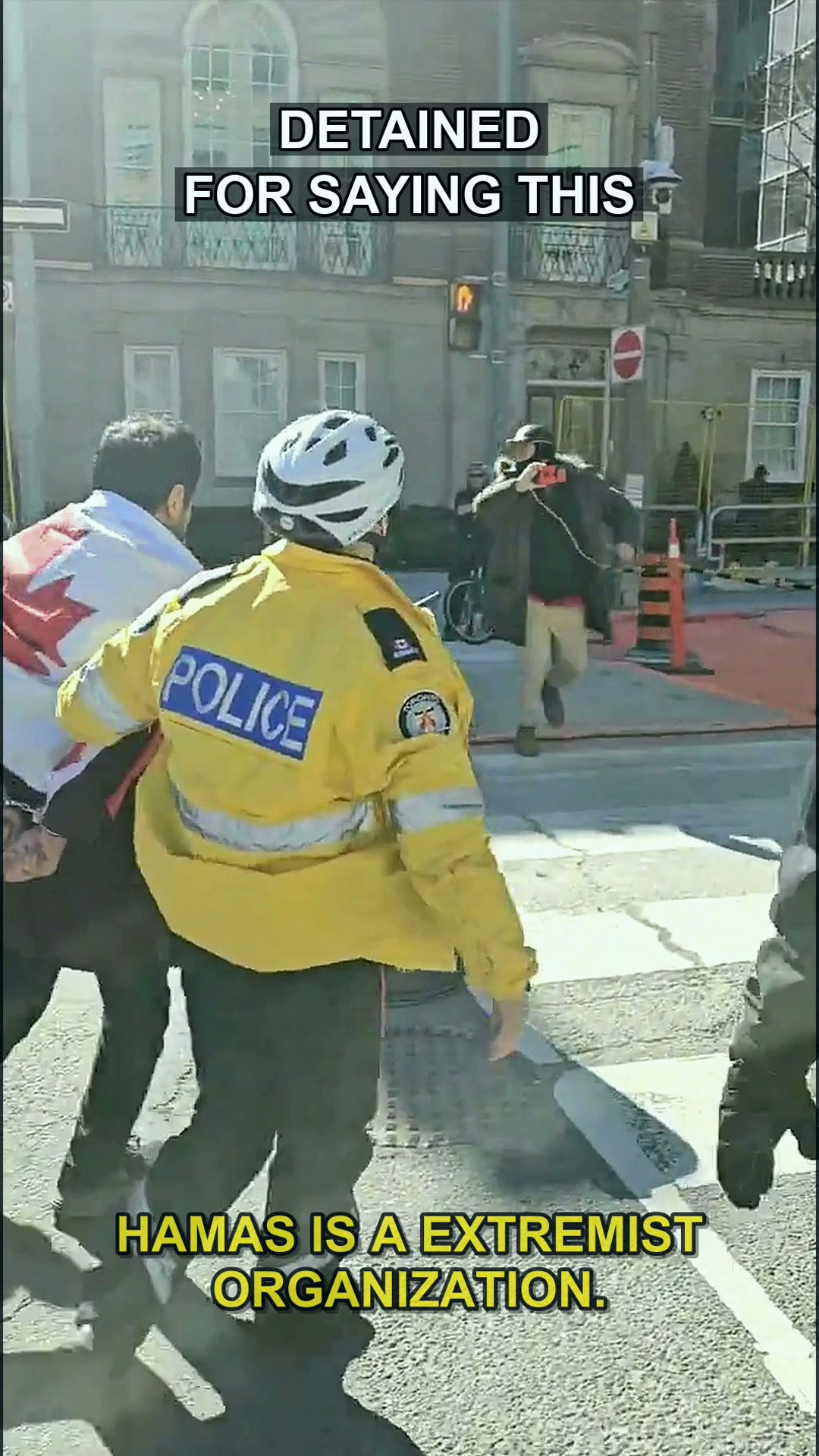
A man who escaped torture in Iran is now facing the gavel for uttering a single, undeniable truth. What does this mean for every citizen watching?
- An activist who survived the Iranian regime’s prisons is now entangled in the Canadian legal system over a political statement.
- This incident exposes the razor-thin line between protected speech and alleged hate crimes in Western nations.
- Community accountability and victim rights are now at the forefront of a debate that could redefine legal follow-through in similar cases.
Imagine surviving the unthinkable—imprisonment, torture, and the agonizing decision to flee your homeland. You land in a country that promises freedom of expression. You look at the news, you see a designated terrorist group, and you say so out loud. The next thing you know, you are the one in handcuffs.
That is the reality for Salman Sima, an Iranian activist who has made Toronto his refuge. He did not brandish a weapon. He did not incite a riot. He uttered a sentence that is official policy in dozens of nations, including Canada. Yet, the response from local authorities was swift, leaving onlookers stunned and legal experts scrambling for answers.

The Moment of Outrage
The scene unfolded during what was described as the International Day Against Israel. Video footage captures a chaotic scrum. Sima, holding his ground, repeats a phrase that should be uncontroversial: “Hamas is a terrorist organization.”
But the reaction was not a debate. It was not a counter-protest. It was a physical removal. The footage shows the activist refusing to move, insisting on his right to speak, while officers attempt to escort him away.
Witnesses describe a shift in the atmosphere—from political rally to legal showdown. The question hanging in the air was simple: since when is naming a recognized terror group a crime?
“Arresting someone for saying Hamas is a terrorist organization. This is the Toronto police.”
For Sima, this is not an abstract academic debate. He has lived under a regime that crushes dissent with an iron fist. He knows what it means to be silenced. To see that same silencing occur in his new home is a betrayal that cuts to the bone.
The Legal Precedent and the Slippery Slope
This incident forces a hard look at how “hate speech” laws are applied. While Canada has robust protections against inciting hatred, the threshold for what constitutes a crime is often misunderstood. Designating Hamas as a terrorist entity is not merely an opinion; it is a matter of official record in Canada. Yet, the context of the event—an anti-Israel rally—appears to have triggered a different standard of enforcement.
Legal analysts point out that context matters. A statement made in a public square is different from a statement made in a private home. But when the statement aligns with federal law, the arrest becomes a paradox. It suggests that the legal process is being weaponized to protect the ideology of a vocal group, rather than to uphold the law.
The broader implication is a direct threat to the average citizen. If the standard for arrest is not the content of the speech, but the reaction of the listeners, then no one is safe. A simple political disagreement could escalate into a criminal matter, depending on who is shouting loudest.

What Justice Looks Like Now
For those watching from the sidelines, the incident raises a critical question about community accountability. When the legal system appears to fail, where does the community turn? The answer lies in the resources available for those who feel their rights have been trampled.
Victim rights organizations are already highlighting this case as a prime example of why legal follow-through is essential. If the charges against Sima are dropped, it will signal that the initial detention was a performative act of intimidation. If they are pursued, it could set a precedent that will silence any criticism of Hamas in the West.
This is not just about one man. It is about the integrity of the justice system. It is about the unedited truth that some ideologies are protected more fiercely than the citizens who oppose them. The public record of this event will now serve as a benchmark for how far the pendulum has swung.

The aftermath of this detention will reverberate far beyond the streets of Toronto. It will be studied by free speech advocates, scrutinized by legal scholars, and cited by those who claim the West is losing its nerve. For Salman Sima, the nightmare of the Iranian regime was supposed to be over. Instead, he has discovered a new kind of cage—one built with the bricks of political correctness and mortar of fear.
The video footage is grainy, but the message is crystal clear: speak the truth, and you may pay the price. The only question that remains is whether the legal system will correct this wrong, or whether it will double down on the silence. The community is watching. The clock is ticking. And for now, the gavel hangs heavy over the head of a man who simply said what most of the world already believes.