Terminated Without Warning: The Unpaid Wages Fight Exposing America’s Worker Rights Loophole
He showed up every day, followed the schedule, wore the uniform. Then one phone call ended everything — and the paycheck he was owed vanished with it.
The phone call lasted less than sixty seconds. No written notice. No final paycheck. No explanation beyond a clipped sentence that his services were “no longer needed.” Just like that, a worker who had clocked in early, stayed late, and never missed a shift found himself standing in his driveway with nothing but a dead phone line and a growing pile of unpaid overtime.
What happened next is the part that should terrify every American worker. When he tried to collect what he was owed, he discovered the company had labeled him an “independent contractor” — a classification that stripped him of nearly every legal protection under federal labor law.
No unemployment benefits. No workers’ compensation. No right to sue for wrongful termination. And according to the employer, no obligation to pay the overtime hours he had already worked.

The Legal Precedent: How Independent Contractor Classification Strips Workers of Civil Code Protections
Under the Fair Labor Standards Act, employees are entitled to minimum wage, overtime pay, and protection from retaliation. Independent contractors are entitled to none of it.
The distinction sounds technical. In practice, it is the single most powerful tool employers use to avoid accountability. The worker in this case was required to follow a set schedule, report to a supervisor, use company equipment, and wear a company uniform — all hallmarks of an employment relationship under the IRS common law test.
Yet the paycheck stub listed him as a contractor. That single word erased his overtime claim, his unemployment eligibility, and his standing to file a wrongful termination complaint.
“The employer controls the schedule, the tools, and the uniform — then calls the worker a contractor. That is not a classification. That is a legal shield.”
Labor attorneys say misclassification costs American workers billions in lost wages every year. The Department of Labor has recovered hundreds of millions in back wages from employers who misclassified workers — but only when workers knew to file a complaint.
Most never do. They do not know the IRS test. They do not know their state labor board exists. They do not know that retaliation for filing a wage complaint is itself illegal under federal law.
- Did the employer maintain payroll records that contradict the contractor classification — and can those records be subpoenaed?
- Was the verbal termination itself a retaliatory act tied to the worker’s wage inquiry, triggering federal whistleblower protections?
- How many other workers at the same company are operating under the identical misclassification — and what is the total back wage exposure?
Civil Liability and HR Accountability: Why Verbal Terminations Create Massive Legal Exposure
There is a reason employment attorneys tell every worker the same thing: document everything. A verbal termination with no written record is a gift to a bad employer.
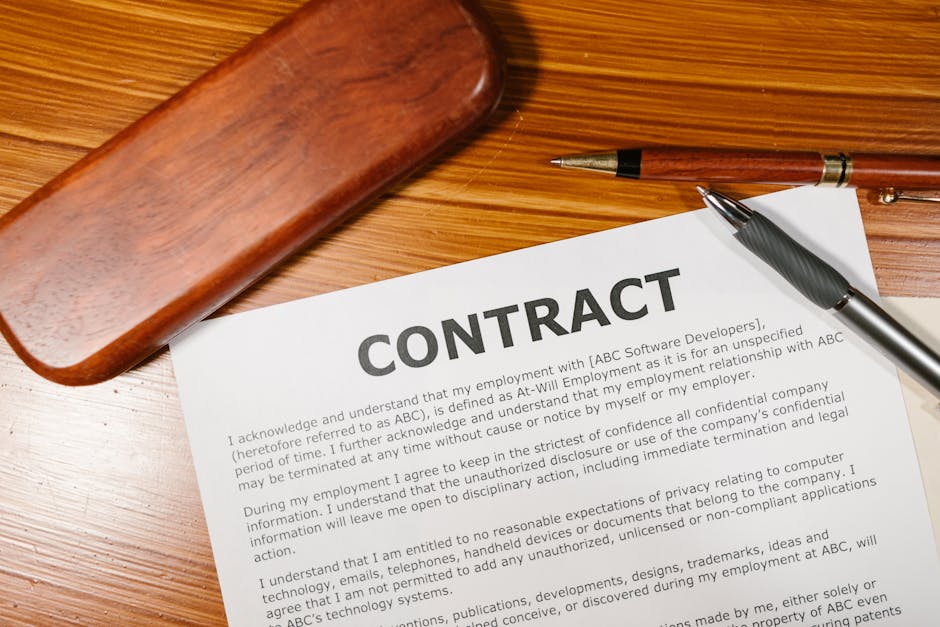
Without a termination letter, the worker cannot prove the stated reason for dismissal. Without timecards or pay stubs, the worker cannot prove the overtime hours. Without a written contract, the worker cannot prove the terms of employment ever existed.
Employment law firms report that the majority of wage theft cases collapse not because the worker was wrong — but because the worker had no evidence.
State labor boards in California, New York, and Illinois have pushed aggressive enforcement in recent years, recovering tens of millions in unpaid wages. But enforcement requires a complaint. And a complaint requires a worker who knows their rights.
The employer in this case has not commented publicly. No lawsuit has been filed. No state agency has opened an investigation.
Similar civil confrontations across the country are forcing community leaders and local venues to confront serious liability under state regulations. Explore the full legal breakdown of related incidents →
Consumer Protection and Financial Fallout: What Precedent Does This Set for At-Will Employment?
Forty-nine states operate under at-will employment. That means an employer can terminate a worker for almost any reason — or no reason at all.
But at-will employment does not erase the obligation to pay for hours already worked. It does not erase overtime requirements. It does not erase the prohibition on retaliation for wage complaints.
That is the line the employer in this case may have crossed. And if the worker does not pursue it, the precedent quietly settles into place: misclassify, terminate verbally, and wait for the worker to give up.
Most do.

The Department of Labor’s Wage and Hour Division accepts complaints online. State labor boards accept complaints by phone. The filing is free. The retaliation protection is automatic.
None of that matters if the worker never picks up the phone.
For now, the paycheck remains unpaid. The overtime hours remain unverified. And the employer — operating under a classification that may not survive a single subpoena — has heard nothing back.
The clock is running. In two years, the claim expires. In three, even a willful violation claim is gone. And the worker who showed up every day will have no legal standing left to recover a single dollar.