Simultaneous Diplomatic Negotiations and Escalating Military Strikes Raise Questions About the Future of Regional Stability
Diplomacy Amidst Escalation: A Fragile Path Forward as Middle East Tensions Peak
As an Iranian delegation arrives in Switzerland for high-stakes talks, a sharp military escalation from Israel threatens to upend delicate international negotiations.

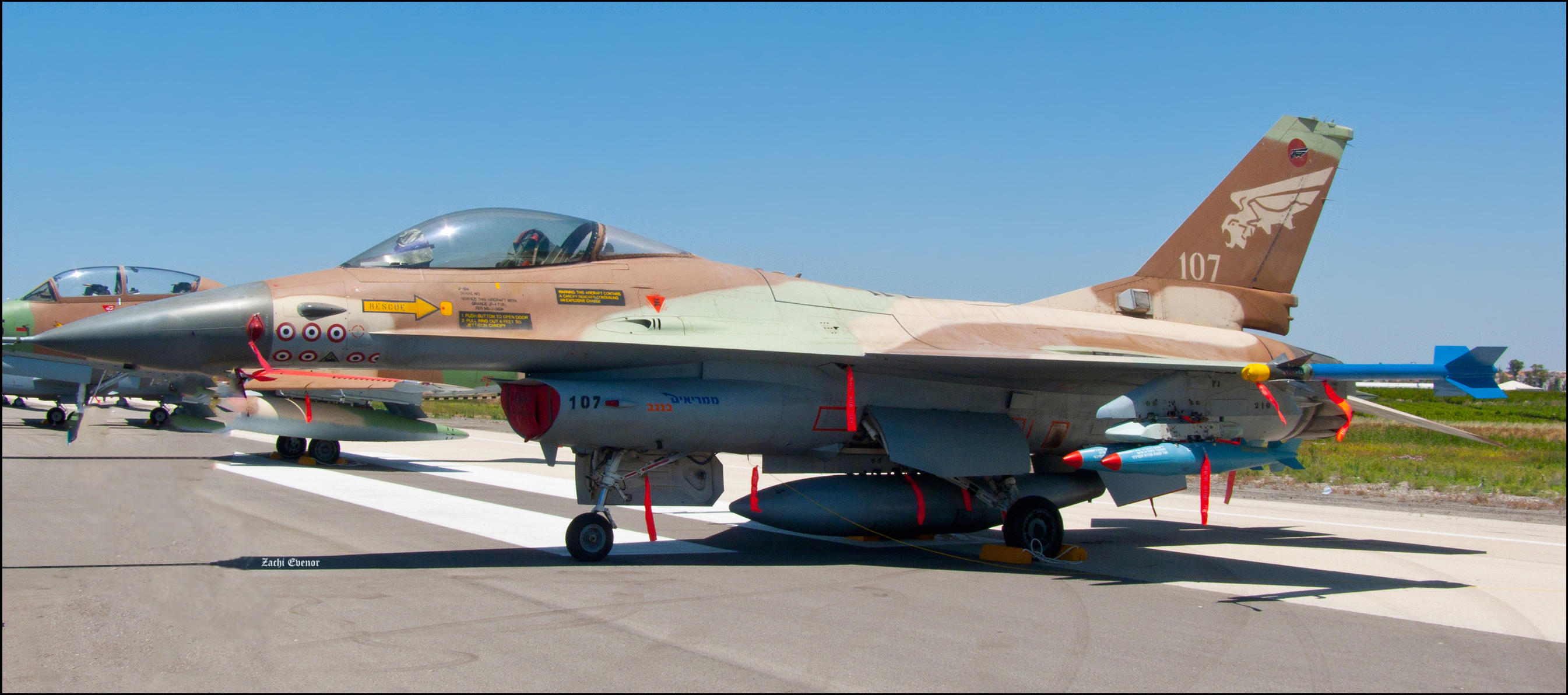
The delicate architecture of international diplomacy is being tested in real-time as a high-level Iranian delegation touches down in Switzerland, ostensibly to engage in critical discussions regarding their nuclear program and broader regional commitments. This arrival, which had been signaled by diplomatic backchannels for weeks, was intended to provide a rare window for de-escalation between Tehran and Washington. However, the mission has been instantly overshadowed by reports of a massive military operation launched by Israel against targets inside Iran.
The juxtaposition of a diplomatic delegation in Geneva and the thunder of airstrikes in the Middle East has created an unprecedented level of uncertainty for U.S. foreign policy. For American observers, the situation is no longer a distant geopolitical abstract. It represents a potential turning point that could dictate the stability of global energy markets, the safety of American personnel stationed across the region, and the overall trajectory of U.S. engagement in a volatile theater.
The primary concern for policymakers in Washington is whether these two competing realities—the carrot of negotiation and the stick of military force—can coexist long enough to prevent a total regional conflagration. Reports emerging from the region indicate that the strikes were significant, with shockwaves felt across urban centers, marking a departure from the “shadow war” that has characterized the relationship between Israel and Iran for years.
On one side of the ledger, proponents of the Swiss talks argue that direct engagement remains the only viable path to curbing Iran’s nuclear ambitions and tempering their regional proxies. They contend that isolating Tehran has historically failed to yield meaningful behavioral changes, and that the presence of negotiators in a neutral, third-party country serves as an essential pressure valve during times of extreme friction.
Conversely, critics—including many within the U.S. Congress and international security circles—argue that such negotiations grant legitimacy to a regime that is actively fueling instability. These voices suggest that Iran will use the cover of diplomatic talks to solidify its positions while simultaneously absorbing military pressure. They maintain that the current Israeli offensive is a natural, perhaps inevitable, reaction to what they describe as years of unmitigated aggression.
The timing of these events serves as a stark reminder of the limitations of modern statecraft. Even as diplomats prepare their briefing books in the quiet, sterile offices of Swiss hotels, the reality on the ground is being dictated by command centers and long-range ballistic hardware. This divergence between the boardroom and the battlefield creates a vacuum of information that leaves the American public and the global community in a state of high anxiety.
For ordinary Americans, the implications of this volatility are multifaceted. The most immediate impact is often felt at the pump, as markets respond to the threat of regional instability by pricing in the potential for oil supply disruptions. Furthermore, the risk to American security interests is compounded by the fact that the U.S. maintains significant strategic assets and personnel within striking distance of these regional hostilities.
Transparency from the White House and the State Department will be the next major hurdle in this unfolding crisis. As the administration navigates this narrow corridor, the public will be looking for clear signals: Is the U.S. actively mediating a ceasefire, or is it providing intelligence and logistical backing for the ongoing operations? The distinction between these two roles is critical, as it defines the level of direct involvement the United States has in an escalating conflict.
History suggests that these moments of “dual-track” reality—where diplomacy and combat occur simultaneously—are rarely sustainable. One path inevitably forces the other to close. If the airstrikes continue to intensify, the diplomatic delegation in Switzerland may find themselves without a mandate to negotiate, as both sides shift from a posture of dialogue to one of survival and retaliation.

The broader institutional stakes involve the credibility of the international order. When established norms regarding sovereignty and conflict are bypassed in favor of direct military action, the role of institutions like the United Nations and the influence of traditional diplomatic intermediaries like Switzerland are effectively diminished. This creates a world where the outcome of disputes is settled exclusively through the projection of force rather than the application of law.
Looking ahead, the next seventy-two hours will likely define the contours of this crisis. Either the diplomatic channel will yield a temporary suspension of hostilities, or the military action will expand, forcing the U.S. and its allies into a reactive mode that could last for months. The ambiguity currently surrounding the situation is itself a form of messaging, meant to keep adversaries off-balance while governments assess the costs of their next moves.
Ultimately, the events playing out between Switzerland and the Middle East represent more than a localized skirmish; they are a stress test for the current international system. As Washington navigates these competing forces, the challenge remains to protect American interests and regional stability while avoiding a trap of escalation that neither side may be able to exit gracefully. The world is watching, but for those in the line of fire, the wait for clarity is a high-stakes gamble with profound and lasting consequences.