The Table Where Birmingham Found Its Common Ground
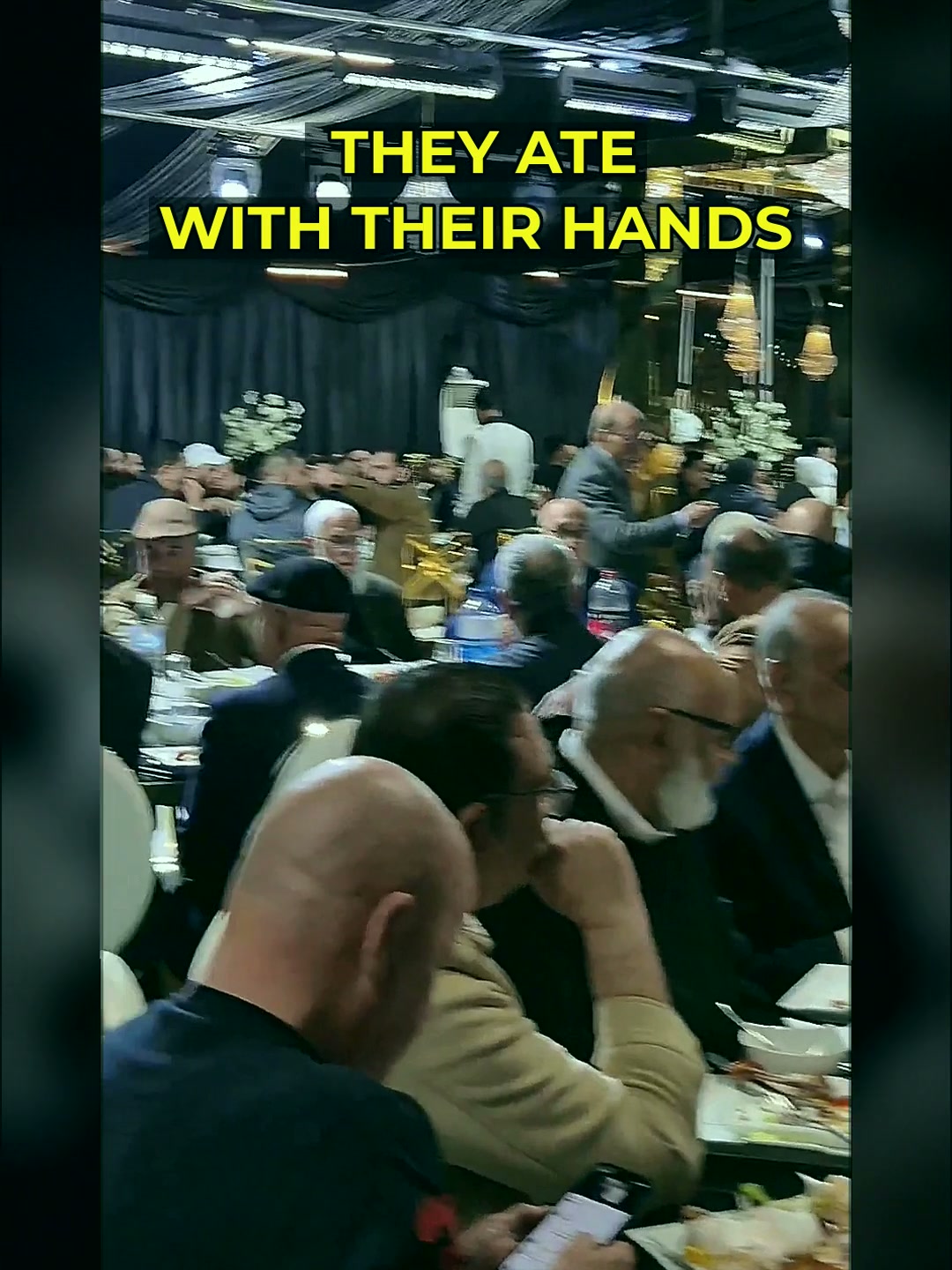
One community dinner is rewriting the narrative on tradition, respect, and what it truly means to break bread together.
- A simple community gathering in Birmingham sparked a global conversation about cultural traditions.
- What some viewed as a point of division, others embraced as a lesson in mutual respect and shared humanity.
- The incident underscores the importance of asking questions before jumping to conclusions about unfamiliar customs.
The photograph was supposed to be a gotcha moment. A snapshot of a Birmingham City Council gathering, intended to stir outrage over a lack of cutlery and the attire of the serving staff. But something unexpected happened on the way to the internet pile-on. The narrative flipped. Instead of fueling division, the image became a mirror reflecting our own assumptions, biases, and the deep human need for connection over conflict.

Let’s get one thing straight. This is not about “us” versus “them.” This is about a room full of people, likely tired after a long day, coming together to share a meal. The fact that the food was eaten with hands—a practice common for naan and rice in South Asian cultures—wasn’t an oversight. It was a tradition. And the women serving, wearing hijabs, were not symbols of oppression. They were community members, volunteers, and neighbors offering their time.
The real story here isn’t about a culture clash. It’s about the terrifying speed at which we forget our manners. We see something unfamiliar and our first instinct, fueled by the algorithm of outrage, is to mock it. We forget that respect is not about conforming to our own dinner table rules. It is about recognizing the dignity of the person sitting across from you, even if they are eating with their hands.
The Human Story Behind the Headline
Consider the sheer audacity of the original complaint. “There is no cutlery.” As if the entire history of human civilization funnels down to the use of a metal fork. This is the kind of thinking that reduces complex human beings to caricatures. It ignores the fact that eating with hands is a sensory experience, a way to connect with food that is deeply rooted in many cultures across the globe.
This attitude screams a lack of exposure to the wider world. It is a mindset that views any deviation from a suburban ideal as a personal insult. But here is the unedited truth: No one is forcing anyone to eat with their hands. No one is forcing anyone to wear a hijab. They are simply living their lives, and the attempt to shame them for it backfired spectacularly.
“The people in that room were not performing for a camera. They were sharing a moment. The only shame here is the desperate attempt to turn a communal meal into a weapon of division.”

We are living in an age where accountability is demanded instantly, but grace is rarely given. We see a snapshot of a single second and project an entire narrative onto it. We don’t see the conversations had, the laughter shared, or the effort it took to organize the event. We just see the absence of a fork and lose our collective minds.
The Legal Precedent of Public Discourse
While there is no court ruling on this specific dinner, the legal framework surrounding public accommodation and religious freedom is clear. Title VII of the Civil Rights Act of 1964 protects employees from discrimination based on religion, which includes dress and grooming practices. A waitress wearing a hijab is not a political statement; it is a protected expression of faith. The attempt to frame her presence as a threat to “English people” is not just socially repugnant, it is legally ignorant of the protections afforded to all citizens in a diverse society.
The response to the photograph proves that common sense still has a pulse. The internet, often a cesspool of negativity, rallied against the original poster. People pointed out that sharing food is one of the most intimate acts of bonding. They noted that the “scandal” was actually a beautiful example of cultural exchange happening right in the heart of Birmingham.

Why This Moment Matters
This is not about political correctness. It is about basic human decency. The resilience of the community in Birmingham is not defined by the cutlery on the table, but by the willingness of its members to sit together. The attempt to shame them highlighted the pettiness of the accuser, not the actions of the people enjoying their dinner.
So, what is the takeaway? It is that the rules of engagement are changing. People are tired of having their traditions mocked by outsiders who have never taken the time to ask a simple question: “Why do you do it that way?” The answer, more often than not, is rooted in history, family, and a sense of belonging that transcends the sterile environment of a silverware drawer.
As the plates were cleared and the tea was poured, the people in that room probably went home feeling full. Not just from the food, but from the company. And the person who snapped the photo? They went home to a cold keyboard, nursing a grudge against a world that is moving on without them. The community, however, remains seated at the table, waiting for the next guest to join them. They are not waiting for an apology. They are waiting to be understood.