Reform MP Lee Anderson Presses Starmer on Illegal Immigration Policy, Gets a Deflection on Secret £5m Gift and £22,000/Hour Income
UK Immigration Debate Ignites: Reform MP Sparks Heated Exchange with Keir Starmer
Tensions Rise as Illegal Migration and Asylum Claims Take Center Stage

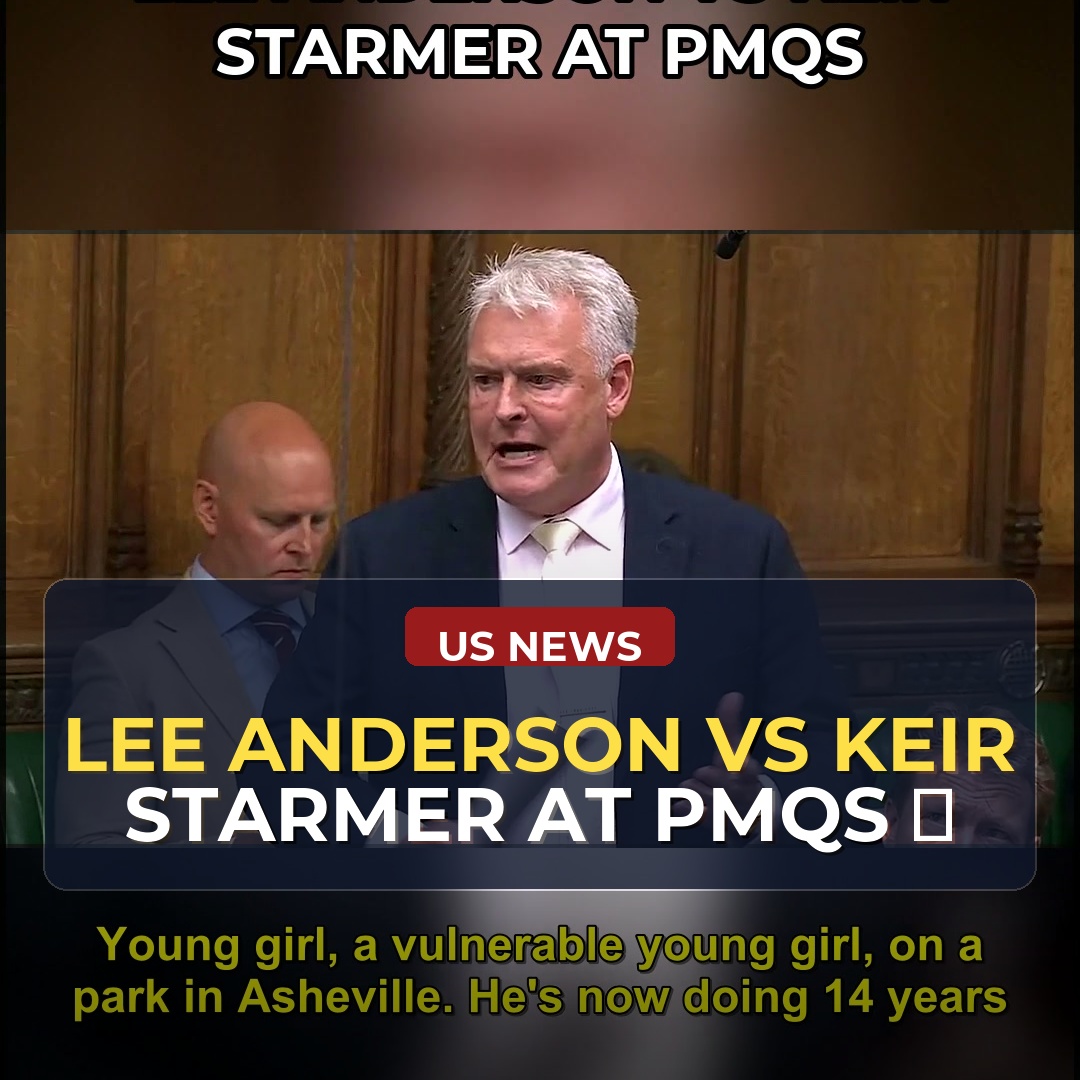
A fiery exchange erupted in the UK Parliament as Reform MP Lee Anderson questioned Labour leader Keir Starmer about the government’s stance on illegal migration. Anderson asked if Starmer agreed that all illegal migrants in the UK should be deported, sparking a heated debate about immigration, asylum claims, and national security.
The controversy began when Anderson referenced a case involving a young girl who was allegedly victimized by an individual who was allowed into the country. He claimed that this incident was a direct result of the government’s lax immigration policies, which he believed put vulnerable individuals at risk. Anderson argued that the only way to prevent such incidents was to detain all illegal migrants and not allow them to claim asylum.
Starmer responded by shifting the focus to Anderson’s own party leader, criticizing him for keeping a £5m gift secret and earning £22,000 per hour. This move was seen as an attempt to deflect attention from the immigration issue and turn the tables on the Reform MP. The exchange highlighted the deep divisions within the UK Parliament on the issue of immigration and asylum claims.

The debate surrounding immigration and asylum claims is a contentious one, with many arguing that the current system is flawed and in need of reform. Proponents of stricter immigration policies, like Anderson, claim that the government’s failure to effectively manage the border has put national security at risk and allowed individuals who pose a threat to enter the country.
On the other hand, those who advocate for more lenient policies argue that the current system is already overly restrictive and that asylum seekers are often fleeing war, persecution, or violence in their home countries. They believe that the UK has a moral obligation to provide a safe haven for these individuals and that deporting them would be inhumane.
The issue of immigration has become a polarizing topic in the UK, with many voters citing it as a top concern. The government’s handling of the issue has been criticized by both sides, with some arguing that it is too soft on immigration and others claiming that it is too harsh. As the debate continues to simmer, it remains to be seen how the government will address the concerns of both sides and find a solution that balances national security with humanitarian considerations.

The tension surrounding immigration is not unique to the UK, as many countries around the world grapple with similar issues. The rise of nationalist movements and anti-immigrant sentiment has led to increased scrutiny of immigration policies and a growing debate about the impact of immigration on local communities. As the global economy becomes increasingly interconnected, the need for effective and humane immigration policies has never been more pressing.
In the UK, the immigration debate has significant implications for the country’s social fabric and economic future. The free movement of people between the UK and other countries has been a cornerstone of the country’s economy, with many industries relying on immigrant labor to fill skill gaps. However, the Brexit referendum and subsequent negotiations have thrown the future of immigration policy into uncertainty, leaving many wondering what the consequences will be for the UK’s economy and society.
As the UK Parliament continues to debate the issue of immigration, it is clear that there are no easy answers. The complex web of economic, social, and humanitarian considerations means that any solution will require careful balancing and compromise. Ultimately, the UK’s approach to immigration will have far-reaching consequences for the country’s future, from its economy and demographics to its values and sense of identity.
The exchange between Anderson and Starmer serves as a reminder that the immigration debate is not just about policy, but about people. The stories of those who have been affected by immigration policies, whether positively or negatively, are a powerful reminder of the human impact of these decisions. As the UK navigates this complex issue, it is essential that policymakers consider the experiences and perspectives of all individuals involved, from asylum seekers and immigrants to local communities and taxpayers.

The UK’s immigration policy is not just a domestic issue, but also has significant implications for the country’s relationships with other nations. The UK’s decision to leave the EU has thrown its immigration policy into flux, with many wondering how the country will balance its desire for control over its borders with its need for international cooperation and trade. As the UK navigates this new landscape, it will be essential to find a balance between protecting national security and upholding the country’s humanitarian obligations.
As the debate over immigration continues, it is clear that the UK is at a crossroads. The country must decide what kind of immigration policy it wants to have and what values it wants to uphold. The decision will have far-reaching consequences for the UK’s future, from its economy and demographics to its sense of identity and place in the world. Ultimately, the UK’s approach to immigration will reflect its values and its commitment to creating a fair and just society for all.
In conclusion, the exchange between Anderson and Starmer highlights the deep divisions within the UK Parliament on the issue of immigration. The debate surrounding immigration and asylum claims is complex and multifaceted, with many different perspectives and considerations at play. As the UK navigates this issue, it is essential that policymakers consider the experiences and perspectives of all individuals involved and find a balance between protecting national security and upholding the country’s humanitarian obligations.