UK Woman Confronts Capita Contractors Over Unpaid TV License Fee — A Look into the BBC’s Enforcement Tactics and the Role of Private Contractors
Confrontation at the Door: The Controversy Over TV Licensing Agents
A Recent Incident Highlights the Tension Between TV Licensing Agents and the Public
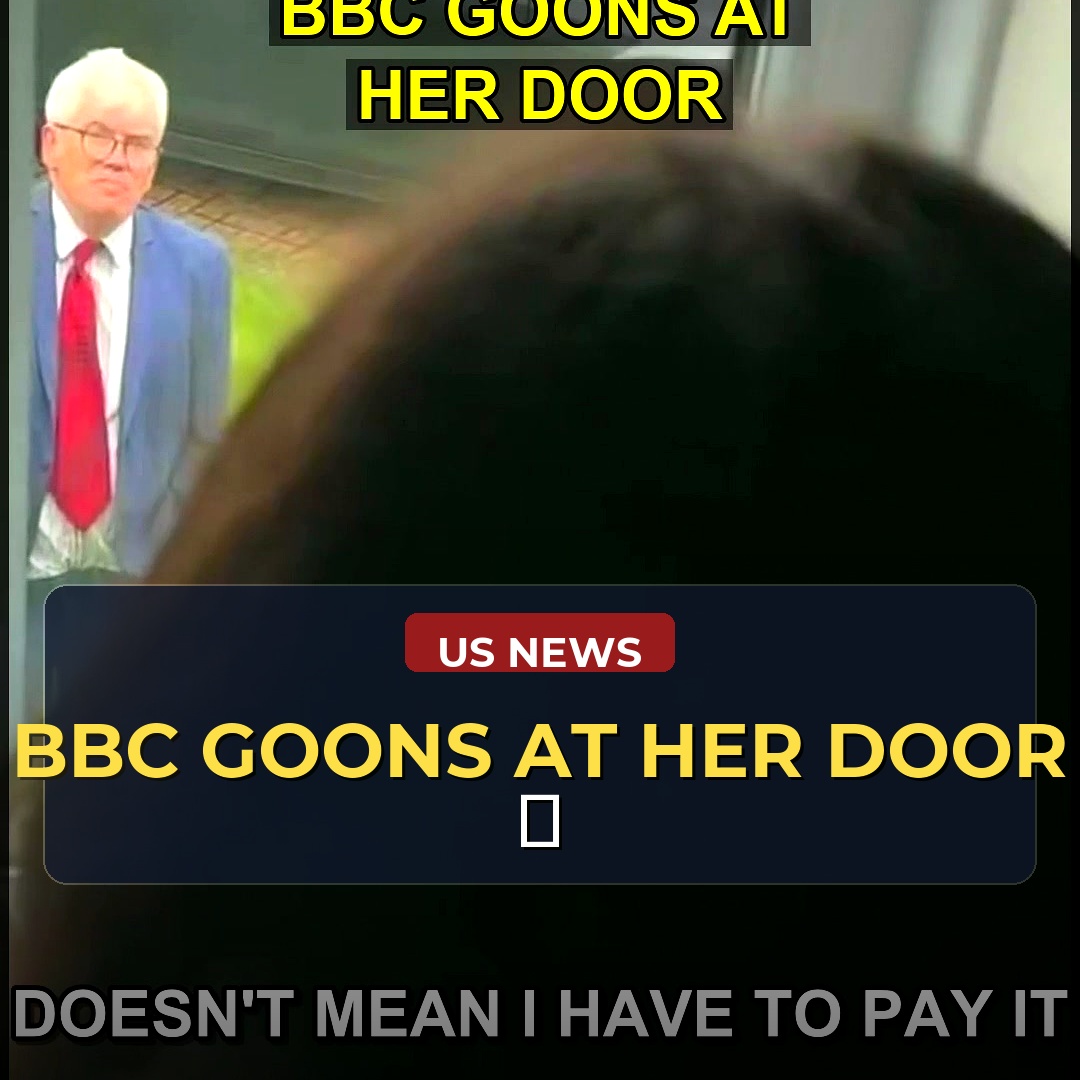
A recent incident in the UK has sparked outrage and raised questions about the role of TV licensing agents. A woman reported that one of these agents turned up at her door, demanding to know if she was watching the BBC because she didn’t have a license. What’s more, these agents don’t even work directly for the BBC; they are contractors hired by Capita on behalf of TV Licensing. This encounter has highlighted the tension between these agents and the public, with many questioning their authority and the legitimacy of their actions.
The incident began when the TV licensing agent arrived at the woman’s doorstep, asking if she was watching the BBC without a license. The woman, who claims to only watch Netflix, YouTube, and Amazon, refused to pay the fee, stating that she was on her own property and the agent needed to leave. The agent, however, insisted on delivering a notice through her letterbox, leading to a heated exchange. This confrontation has sparked a wider debate about the power and tactics of TV licensing agents, with many calling for greater transparency and accountability.
The controversy surrounding TV licensing agents is not new. For years, there have been reports of aggressive behavior, intimidation, and harassment by these agents. Many have questioned the legitimacy of their actions, arguing that they often overstep their authority and fail to respect the rights of individuals. The fact that these agents are not directly employed by the BBC, but rather work as contractors for Capita, has also raised concerns about their motivations and the potential for conflicts of interest.

At the heart of the issue is the question of who these agents represent and what authority they have to demand payment from individuals. While TV Licensing argues that these agents are necessary to ensure that people are paying their licensing fees, many see them as overly aggressive and intrusive. The fact that they are not directly accountable to the BBC or the government has also raised concerns about their accountability and the potential for abuse of power.
The incident has also sparked a wider debate about the future of TV licensing in the UK. With the rise of streaming services and online content, many are questioning the relevance of the traditional TV licensing model. Some argue that the current system is outdated and unfair, with many people being forced to pay for a service they do not use. Others argue that the license fee is essential to supporting high-quality public service broadcasting and that it is a vital part of the UK’s cultural landscape.
As the debate over TV licensing agents continues, it is clear that there are no easy answers. While some argue that these agents are necessary to ensure that people are paying their licensing fees, others see them as a symbol of an outdated and unfair system. The incident has highlighted the need for greater transparency and accountability, as well as a wider debate about the future of TV licensing in the UK.

The UK government has faced criticism for its handling of the TV licensing system, with some arguing that it has failed to adequately regulate the actions of TV licensing agents. There have been calls for greater oversight and accountability, as well as reforms to the licensing system to make it more fair and equitable. As the debate continues, it is clear that the government will need to take a closer look at the role of TV licensing agents and the wider implications of the TV licensing system.
The incident has also raised questions about the impact of TV licensing agents on vulnerable members of society. Many have reported feeling intimidated and harassed by these agents, with some even being taken to court for non-payment of licensing fees. The fact that these agents often target low-income households and vulnerable individuals has raised concerns about their tactics and the potential for exploitation.
As the controversy surrounding TV licensing agents continues to grow, it is clear that there is a need for greater transparency and accountability. The public has a right to know how these agents are trained, what authority they have, and how they are held accountable for their actions. The incident has highlighted the need for a wider debate about the future of TV licensing in the UK and the role of these agents in enforcing the licensing system.

The public backlash against TV licensing agents has been significant, with many taking to social media to share their own experiences and express their outrage. The incident has sparked a wider debate about the legitimacy of the TV licensing system and the tactics used by these agents. As the debate continues, it is clear that the TV licensing system will need to be reformed to make it more fair, transparent, and accountable to the public.
In conclusion, the controversy surrounding TV licensing agents highlights the need for greater transparency and accountability in the TV licensing system. The incident has sparked a wider debate about the future of TV licensing in the UK and the role of these agents in enforcing the licensing system. As the debate continues, it is clear that the government will need to take a closer look at the role of TV licensing agents and the wider implications of the TV licensing system.
The future of TV licensing in the UK remains uncertain, with many calling for reforms to the system to make it more fair and equitable. The incident has highlighted the need for a wider debate about the role of TV licensing agents and the impact of the licensing system on vulnerable members of society. As the debate continues, it is clear that the TV licensing system will need to be reformed to make it more transparent, accountable, and fair for all.

Ultimately, the controversy surrounding TV licensing agents serves as a reminder of the need for greater transparency and accountability in the TV licensing system. The incident has highlighted the need for a wider debate about the future of TV licensing in the UK and the role of these agents in enforcing the licensing system. As the debate continues, it is clear that the government will need to take a closer look at the role of TV licensing agents and the wider implications of the TV licensing system.