Trump’s Claim of Stopping 8 Wars Raises Questions, But Can’t Recall Any Specific Conflicts
Trump Supporters’ Claims of Stopping Wars: Fact or Fiction?
A Recent Exchange Raises Questions About the Trump Administration’s Foreign Policy Record
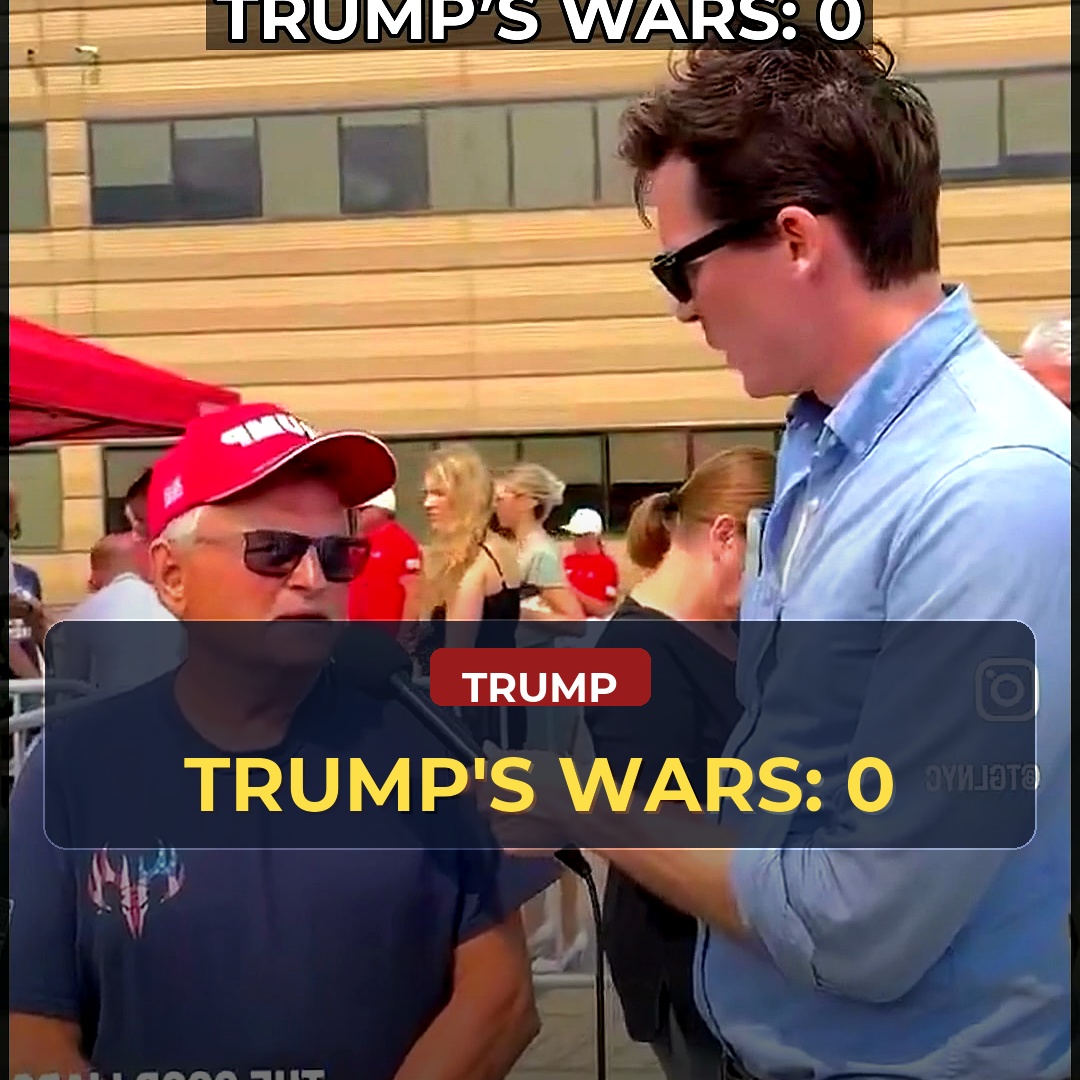
A recent exchange between a Trump supporter and an interviewer has sparked controversy over the Trump administration’s claims of stopping wars. The supporter, who was asked to name one war that President Trump had stopped, was unable to provide an example. This has led to questions about the accuracy of the claim that Trump stopped eight wars, and what this means for the country’s foreign policy record.
The exchange began with the supporter stating that President Trump is the greatest president of all time and that he stopped eight wars. However, when asked to name one of these wars, the supporter was unable to provide an answer. This has raised concerns about the validity of the claim and whether it is based on factual information.
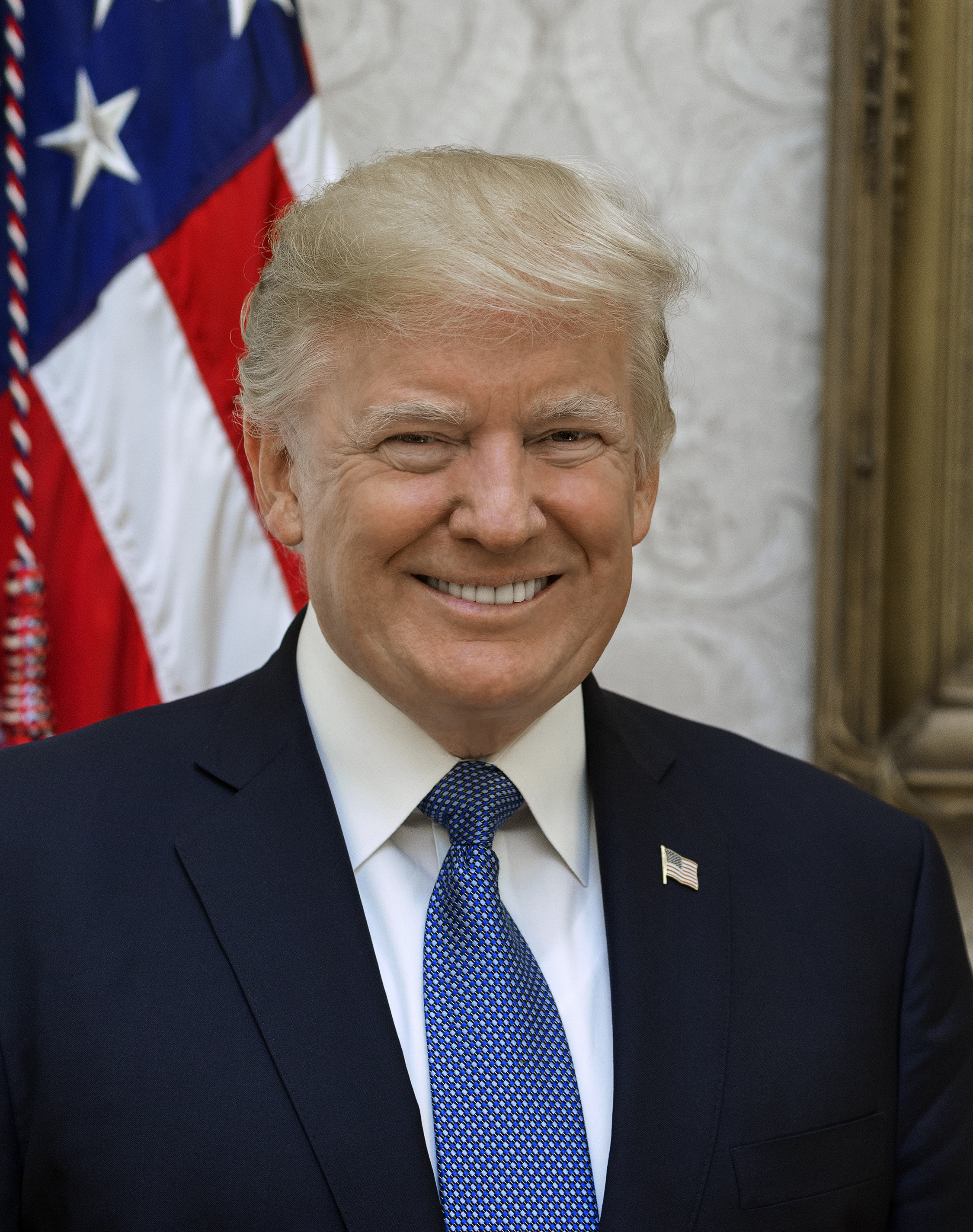
The Trump administration has been known for its unconventional approach to foreign policy, with President Trump often taking a more isolationist stance than his predecessors. However, the claim that he stopped eight wars is a significant one, and it is important to examine the facts behind this assertion.

One of the challenges in evaluating the claim is that the Trump administration has not provided a clear list of the wars that it claims to have stopped. This has made it difficult for fact-checkers to verify the accuracy of the claim, and has led to confusion about what exactly is being referred to. The supporter’s inability to name one war that Trump stopped has only added to the confusion, and has raised questions about the administration’s transparency on this issue.
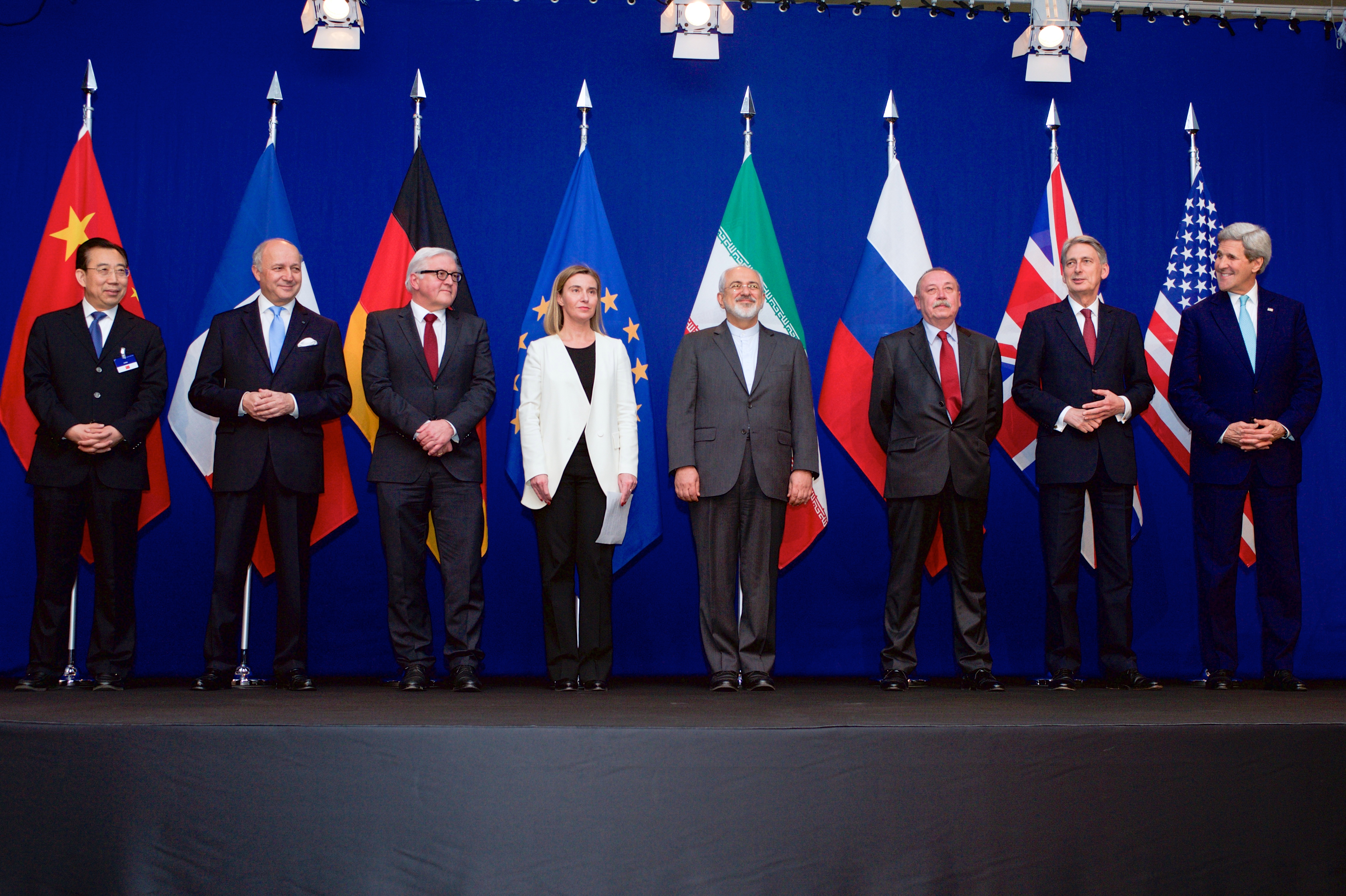
Some critics have argued that the claim is exaggerated or false, and that the Trump administration has actually escalated tensions in certain regions. For example, the administration’s decision to withdraw from the Iran nuclear deal has led to increased tensions with Iran, and the conflict in Yemen has continued to escalate despite US involvement.
Others have pointed out that the claim may be based on a misleading definition of what constitutes a “war.” For example, the Trump administration may be counting certain military operations or diplomatic efforts as “wars” that were stopped, even if they were not necessarily full-scale conflicts. This has led to accusations that the administration is using misleading rhetoric to inflate its foreign policy record.
The controversy over the claim has also raised questions about the role of fact-checking in evaluating political claims. In an era of “alternative facts” and “fake news,” it can be challenging for voters to know what to believe, and to separate fact from fiction. The exchange between the Trump supporter and the interviewer highlights the importance of critically evaluating information and seeking out multiple sources before accepting a claim as true.
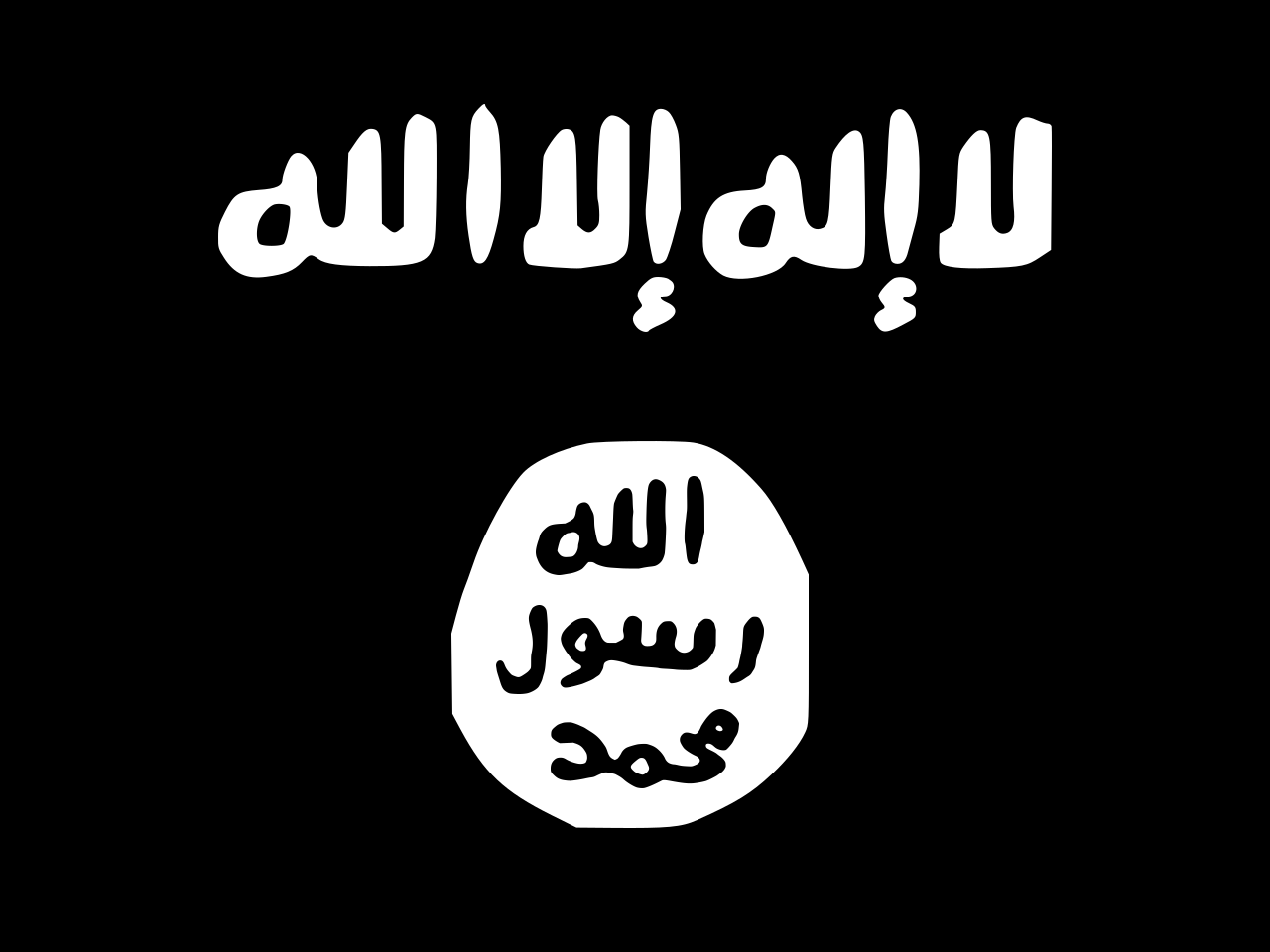
Furthermore, the claim has also sparked a debate about the effectiveness of the Trump administration’s foreign policy approach. Some argue that the administration’s unconventional approach has led to positive outcomes, such as the defeat of ISIS in Syria. However, others argue that the administration’s approach has been reckless and has led to increased instability in certain regions.
In conclusion, the claim that President Trump stopped eight wars is a significant one, and it is important to examine the facts behind this assertion. While the Trump administration has certainly taken a unique approach to foreign policy, it is unclear whether this claim is based on factual information. The exchange between the Trump supporter and the interviewer highlights the importance of critically evaluating information and seeking out multiple sources before accepting a claim as true.
The controversy over the claim also raises questions about the role of transparency and accountability in government. The Trump administration’s lack of clarity on this issue has led to confusion and skepticism, and has undermined trust in the government’s ability to provide accurate information. As the country moves forward, it is essential that the government prioritizes transparency and accountability, and provides clear and accurate information to the public.
Ultimately, the claim that President Trump stopped eight wars is a complex and multifaceted issue, and it is essential to approach it with a critical and nuanced perspective. By examining the facts behind the claim and evaluating the effectiveness of the Trump administration’s foreign policy approach, we can gain a deeper understanding of the significance of this issue and its implications for the country’s future.
The debate over the claim is also a reminder of the importance of media literacy and critical thinking in evaluating political claims. In an era of misinformation and disinformation, it is essential to approach information with a healthy dose of skepticism and to seek out multiple sources before accepting a claim as true. By doing so, we can promote a more informed and engaged citizenry, and hold our leaders accountable for their actions.
As the country continues to grapple with the complexities of foreign policy and the role of the US in the world, it is essential to approach these issues with a nuanced and informed perspective. The claim that President Trump stopped eight wars is just one example of the many complex issues that require careful consideration and evaluation. By promoting a culture of critical thinking and media literacy, we can foster a more informed and engaged public discourse, and ensure that our leaders are held accountable for their actions.
In the end, the claim that President Trump stopped eight wars is a reminder of the importance of transparency, accountability, and critical thinking in evaluating political claims. By approaching this issue with a nuanced and informed perspective, we can gain a deeper understanding of the complexities of foreign policy and the role of the US in the world.
