Trump’s Blunt Admission on Unfunded Social Programs Sparks Concerns Over Who Will Pay the Price
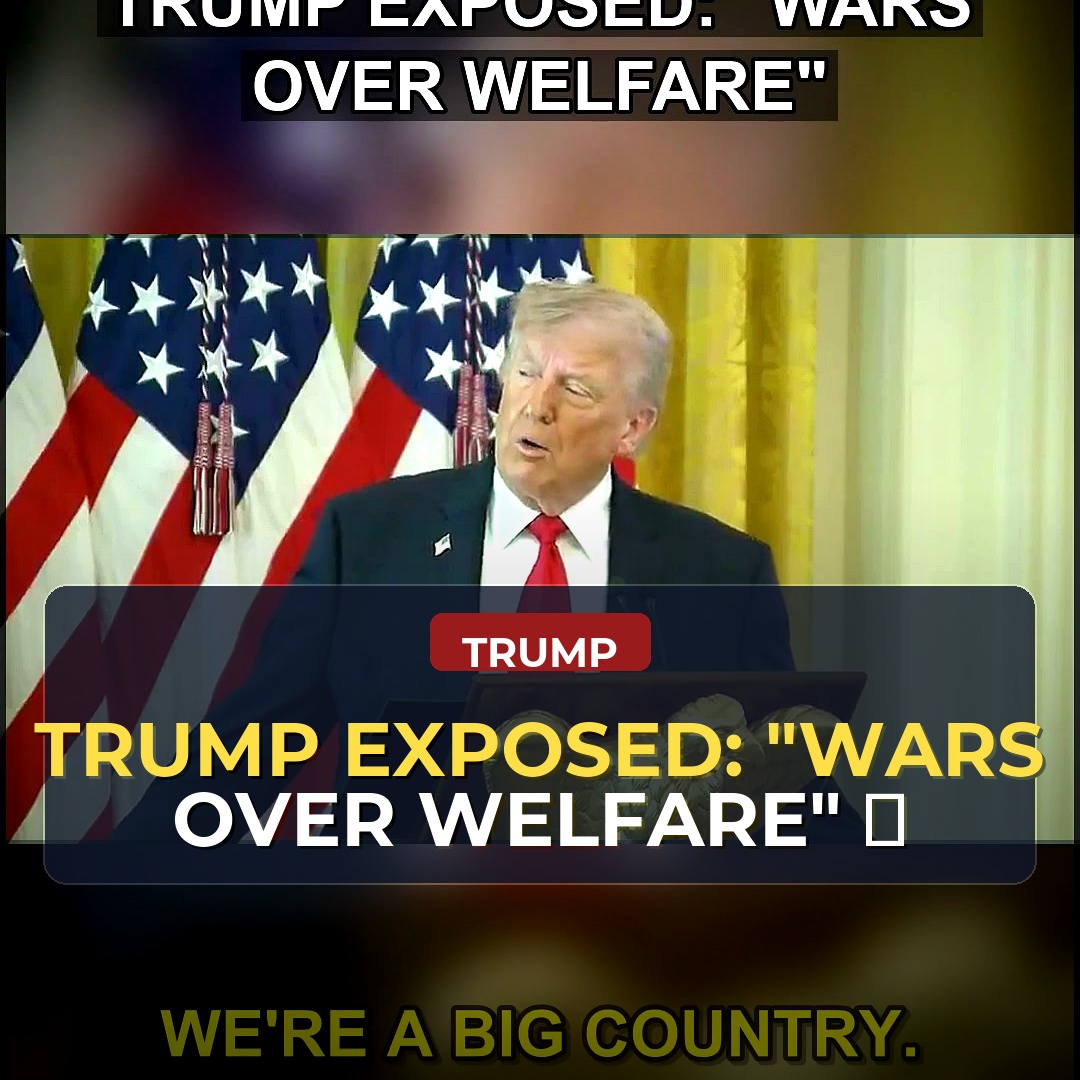
Trump’s Remarks on Medicare and Medicaid Spark Concerns Among Americans
Statements on Video Transcript Raise Questions About the Future of Entitlement Programs
Recent statements made by former President Donald Trump have sparked concerns among Americans about the future of entitlement programs such as Medicare and Medicaid. In a video transcript that has been circulating on social media, Trump can be heard saying, “We’re fighting wars. It’s not possible for us to take care of Medicare, daycare, Medicaid, all these things.” These comments have raised questions about the potential consequences of such a stance on the millions of Americans who rely on these programs for their healthcare and wellbeing.
The video transcript appears to show Trump arguing that the federal government is unable to bear the cost of providing for these programs, and that individual states should take on more responsibility for funding them. He suggests that states could raise their own taxes to cover the costs, and that the federal government could lower its taxes to offset the increase. However, this approach has been met with skepticism by many, who argue that it could lead to unequal access to healthcare and other essential services across different states.
The controversy surrounding Trump’s comments has highlighted the deep-seated concerns that many Americans have about the future of their entitlement programs. With the rising cost of healthcare and the increasing burden on the federal budget, many are worried that programs like Medicare and Medicaid may be subject to cuts or other changes that could impact their access to essential services. As the debate over the future of these programs continues, it is clear that the stakes are high, and that the consequences of any changes could be far-reaching.

At the heart of the controversy is the question of how to balance the federal budget while still providing essential services to those who need them. Trump’s comments have been seen by some as a call to action, urging states to take on more responsibility for funding their own programs. However, others have argued that this approach could lead to a patchwork system, in which some states are able to provide better services than others. As the debate continues, it is clear that there are no easy answers, and that any solution will require careful consideration of the complex issues at play.
One of the key concerns surrounding Trump’s comments is the potential impact on vulnerable populations, such as the elderly and low-income families. These groups rely heavily on programs like Medicare and Medicaid for their healthcare and wellbeing, and any changes to these programs could have a disproportionate impact on their lives. As such, many are calling for a more nuanced approach, one that takes into account the needs of these populations and seeks to find solutions that balance the federal budget while still providing essential services.
Despite the controversy surrounding Trump’s comments, it is clear that the issue of entitlement programs is one that will continue to be debated in the months and years to come. As the federal budget continues to grow, and the cost of healthcare continues to rise, it is likely that lawmakers will be forced to make difficult decisions about how to fund these programs. While there are no easy answers, it is clear that any solution will require careful consideration of the complex issues at play, and a commitment to finding solutions that work for all Americans.

For many Americans, the idea of cutting or changing entitlement programs like Medicare and Medicaid is unthinkable. These programs have been a cornerstone of the social safety net for decades, providing essential healthcare and wellbeing services to millions of people. As such, any changes to these programs could have a significant impact on the lives of those who rely on them, and could potentially exacerbate existing health disparities and social inequalities.
As the debate over the future of entitlement programs continues, it is clear that there are many different perspectives and opinions on the issue. While some argue that these programs are essential and should be protected at all costs, others believe that they are unsustainable and need to be reformed. As lawmakers consider the future of these programs, it is likely that they will be forced to navigate a complex web of competing interests and priorities, all while seeking to find solutions that work for all Americans.
One of the key challenges facing lawmakers as they consider the future of entitlement programs is the need to balance competing priorities. On the one hand, there is a clear need to control the growth of the federal budget and ensure that programs like Medicare and Medicaid are sustainable in the long term. On the other hand, there is a equally clear need to protect the wellbeing and healthcare of millions of Americans who rely on these programs. As such, any solution will require careful consideration of the complex issues at play, and a commitment to finding solutions that balance competing priorities.
Despite the challenges facing lawmakers as they consider the future of entitlement programs, it is clear that there are many potential solutions that could be explored. From reforms aimed at improving the efficiency and effectiveness of these programs, to new approaches that seek to balance the federal budget while still providing essential services, there are many different options on the table. As the debate continues, it is likely that lawmakers will be forced to consider a wide range of perspectives and opinions, all while seeking to find solutions that work for all Americans.
As the future of entitlement programs like Medicare and Medicaid continues to be debated, it is clear that the stakes are high. With millions of Americans relying on these programs for their healthcare and wellbeing, any changes could have a significant impact on their lives. As such, it is essential that lawmakers approach this issue with caution and careful consideration, seeking to find solutions that balance competing priorities and protect the wellbeing of all Americans.
In conclusion, the controversy surrounding Trump’s comments on Medicare and Medicaid has highlighted the deep-seated concerns that many Americans have about the future of their entitlement programs. As the debate continues, it is clear that there are no easy answers, and that any solution will require careful consideration of the complex issues at play. However, by approaching this issue with caution and careful consideration, it is possible to find solutions that balance competing priorities and protect the wellbeing of all Americans.