Trump Administration Unveils National Security Plan to Disrupt Left-Wing Extremism: But What’s the Definition and How Will It Be Implemented?
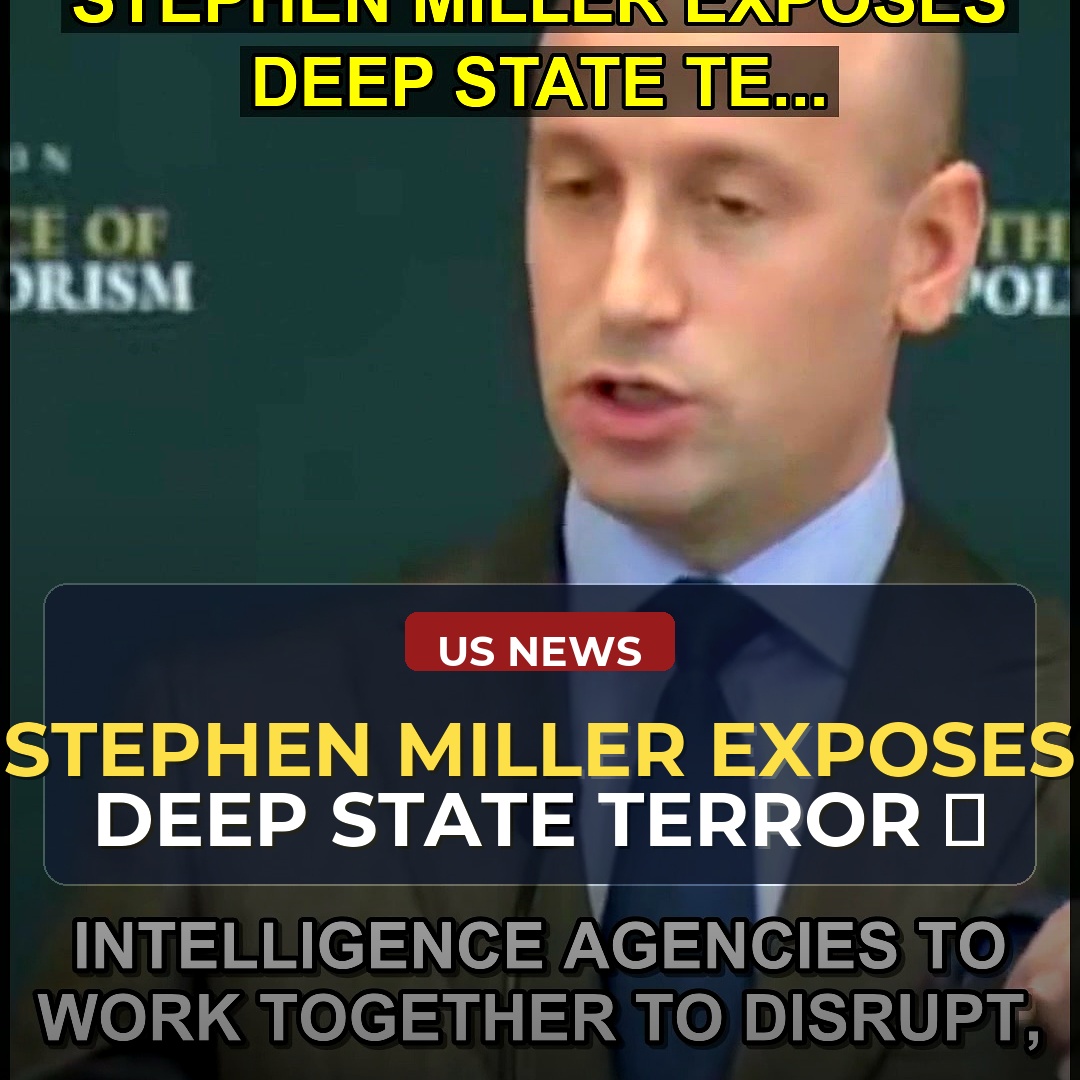
Trump Administration Takes Aim at Left-Wing Political Violence with New Directive
National Security Presidential Memorandum Authorizes CIA to Identify and Disrupt Violent Groups

In a move that is likely to spark controversy and debate, the Trump Administration has announced a new National Security Presidential Memorandum that authorizes the CIA to identify and shut down left-wing political violence groups. According to Stephen Miller, a key advisor to the Administration, the directive is aimed at disrupting and dismantling organizations that engage in violent activities, including debanking their operations and arresting individuals involved. This development has significant implications for the country, as it raises questions about the balance between national security and civil liberties.
The memorandum, which was signed by President Trump, reportedly instructs intelligence agencies to work together to identify and disrupt left-wing political terrorism. This includes efforts to defund, debank, arrest, and prosecute individuals and groups involved in such activities. The Administration’s move is seen as a response to growing concerns about political violence and extremism in the United States. However, critics argue that the directive could be used to target legitimate political organizations and stifle free speech.
The context behind this development is complex and multifaceted. In recent years, the United States has witnessed a surge in political polarization and extremism, with some groups resorting to violence to achieve their goals. The Trump Administration has been criticized for its response to these incidents, with some arguing that it has not done enough to condemn right-wing extremism. The new directive, however, suggests that the Administration is taking a more proactive approach to addressing the issue of political violence.

According to Miller, left-wing political terrorism seeks to overthrow the existing system and form of government. This assertion has been met with skepticism by some, who argue that the Administration is using the term “terrorism” loosely to describe legitimate political activity. The American Civil Liberties Union (ACLU) has already expressed concerns about the directive, arguing that it could be used to target peaceful protesters and dissenting voices. As the debate unfolds, it remains to be seen how the Administration will balance its efforts to combat political violence with the need to protect civil liberties.
One of the key challenges in addressing political violence is defining what constitutes “terrorism.” The term is often associated with right-wing extremism, but the Trump Administration’s directive suggests that left-wing groups can also be involved in violent activities. This has sparked a debate about the nature of political extremism and how it should be addressed. While some argue that the Administration’s approach is necessary to maintain public safety, others see it as an attempt to suppress dissent and undermine democratic institutions.
The implications of this directive are far-reaching and could have significant consequences for American politics. If the CIA is authorized to identify and disrupt left-wing political violence groups, it raises questions about the role of intelligence agencies in domestic politics. The CIA is primarily responsible for gathering foreign intelligence, but this directive suggests that it may be involved in domestic law enforcement activities. This blurring of lines between foreign and domestic intelligence gathering has sparked concerns about the potential for abuse of power and the erosion of civil liberties.

As the Trump Administration moves forward with its directive, it is likely to face significant opposition from civil liberties groups and lawmakers. The ACLU has already announced its intention to challenge the directive in court, arguing that it violates the First Amendment and the Fourth Amendment. Lawmakers, including Senator Bernie Sanders and Representative Alexandria Ocasio-Cortez, have also expressed concerns about the directive, arguing that it is an attempt to suppress dissent and undermine democratic institutions.
Despite the controversy surrounding the directive, the Trump Administration remains committed to its approach. According to Miller, the directive is necessary to protect American citizens from the threat of political violence. The Administration argues that left-wing extremism is a growing concern and that it must be addressed through a comprehensive approach that involves law enforcement, intelligence agencies, and community engagement. However, critics argue that the Administration’s approach is misguided and that it will only serve to exacerbate the problem of political polarization.
The debate surrounding the Trump Administration’s directive is likely to continue in the coming weeks and months. As the country grapples with the issue of political violence, it is essential to consider the potential consequences of the Administration’s approach. Will it lead to a reduction in political violence, or will it simply drive extremist groups underground? How will the directive impact civil liberties and democratic institutions? These are just a few of the questions that must be considered as the nation navigates this complex and challenging issue.
In conclusion, the Trump Administration’s directive to combat left-wing political violence is a significant development that has far-reaching implications for American politics. While the Administration argues that the directive is necessary to protect national security, critics see it as an attempt to suppress dissent and undermine democratic institutions. As the debate unfolds, it is essential to consider the potential consequences of the Administration’s approach and to ensure that any efforts to combat political violence are balanced with the need to protect civil liberties.

The future of American democracy depends on the ability of its citizens to engage in free and open debate, without fear of persecution or repression. As the Trump Administration moves forward with its directive, it is essential to remember that the protection of civil liberties is essential to the health and vitality of democratic institutions. The nation must balance its efforts to combat political violence with the need to protect the rights and freedoms of all citizens, regardless of their political beliefs or affiliations.