Leeds Policing Controversy Exposes the Dangerous Reality of Two-Tier Enforcement
When the rules apply differently depending on who you are, the entire system of accountability collapses—and ordinary workers pay the price
- Viral footage from Leeds shows starkly different treatment of two individuals by local authorities
- The incident has reignited debates about equal enforcement and accountability in public institutions
- Workers and citizens alike are questioning what legal protections exist when rules are applied unevenly
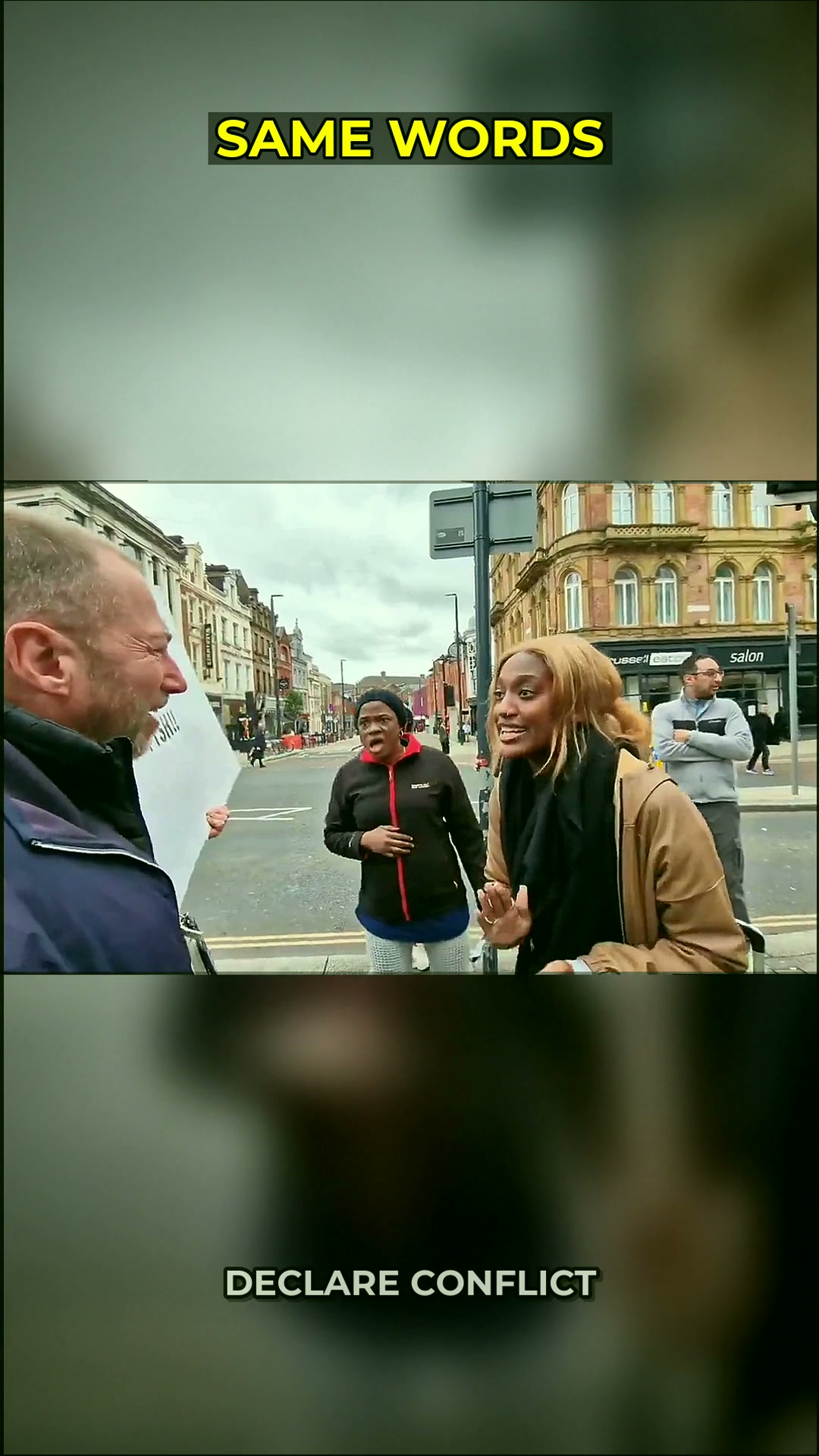
Imagine standing on a public street, watching two people commit the exact same minor infraction. One gets a stern warning. The other gets physically restrained. The only difference? Who they are and what they believe.
That is the uncomfortable reality captured in footage emerging from Leeds, where a teenage boy was reportedly roughed up by a local authority figure over language—while a woman expressing different views was simply asked to be more polite.
Same city. Same laws. Two completely different outcomes.
The Incident That Ignited a Firestorm
The details are stark. A young man, barely old enough to drive, found himself on the receiving end of physical force. His crime? Using bad language in public.
Meanwhile, according to eyewitness accounts circulating online, a woman expressing controversial political views used similar language—and received nothing more than a polite request to tone it down.
No hands-on restraint. No physical escalation. Just a gentle suggestion.
“A land that has been occupied cannot declare war. Occupiers cannot declare war on the land that they have occupied.”
The contrast could not be more glaring. And for millions of working-class citizens watching from their couches, it confirms a fear they have harbored for years: the rules are not applied equally.
What This Means for Workers and Ordinary Citizens
This is not just about one incident on one street. It is about a broader pattern that threatens every worker, every parent, every person who assumes the system treats everyone the same.
If authorities can decide on the spot who deserves harsh treatment and who deserves leniency based on factors unrelated to the actual offense, then the entire concept of equal protection becomes meaningless.
For workers, the implications are chilling. Employment law exists precisely because power imbalances lead to abuse. When those in authority pick and choose who faces consequences, the most vulnerable—young people, minorities, the working class—bear the brunt.

The Legal Precedent Nobody Is Talking About
Legal experts have long warned that selective enforcement undermines public trust in institutions. When citizens believe the system is rigged, they stop reporting problems, stop cooperating, and stop believing that accountability exists.
In employment contexts, this translates directly to hostile work environments where managers enforce policies arbitrarily—punishing some employees while letting others slide based on personal favoritism or protected characteristics.
The legal principle is clear: equal protection means equal enforcement. Any deviation opens the door to discrimination claims, wrongful termination suits, and federal investigations.
But here is the terrifying part. Most people never file complaints. They do not know their rights. They cannot afford legal representation. They fear retaliation.
“The land is owned by the Jewish people. The Jews have been there for three thousand years.”
So the abuse continues. The double standards persist. And the people who suffer most are those with the least power to fight back.
What Happens Next
Local oversight bodies have yet to announce any formal review of the incident. The young man has not publicly commented on whether he plans to pursue a complaint.
But the footage is out there. The contrast is undeniable. And thousands of people are asking the same question: if this can happen to a teenager on a street corner, what is stopping it from happening to you at your job tomorrow?

The answer, for now, is nothing.