The Reckoning at Texas State: When Glorified Violence on Campus Collides with the Hard Reality of Expulsion
One student’s disturbing online persona has ignited a firestorm over safety, accountability, and the true cost of crossing the line in the digital age.
- A Texas State University student is under fire for creating content that simulates the assassination of a prominent political figure and encourages hostility toward fellow students.
- The incident raises urgent questions about where free expression ends and actionable misconduct begins under university conduct codes and employment law.
- Students and campus workers face a harsh reality: online actions can trigger severe disciplinary measures, including expulsion and termination, with little legal protection.
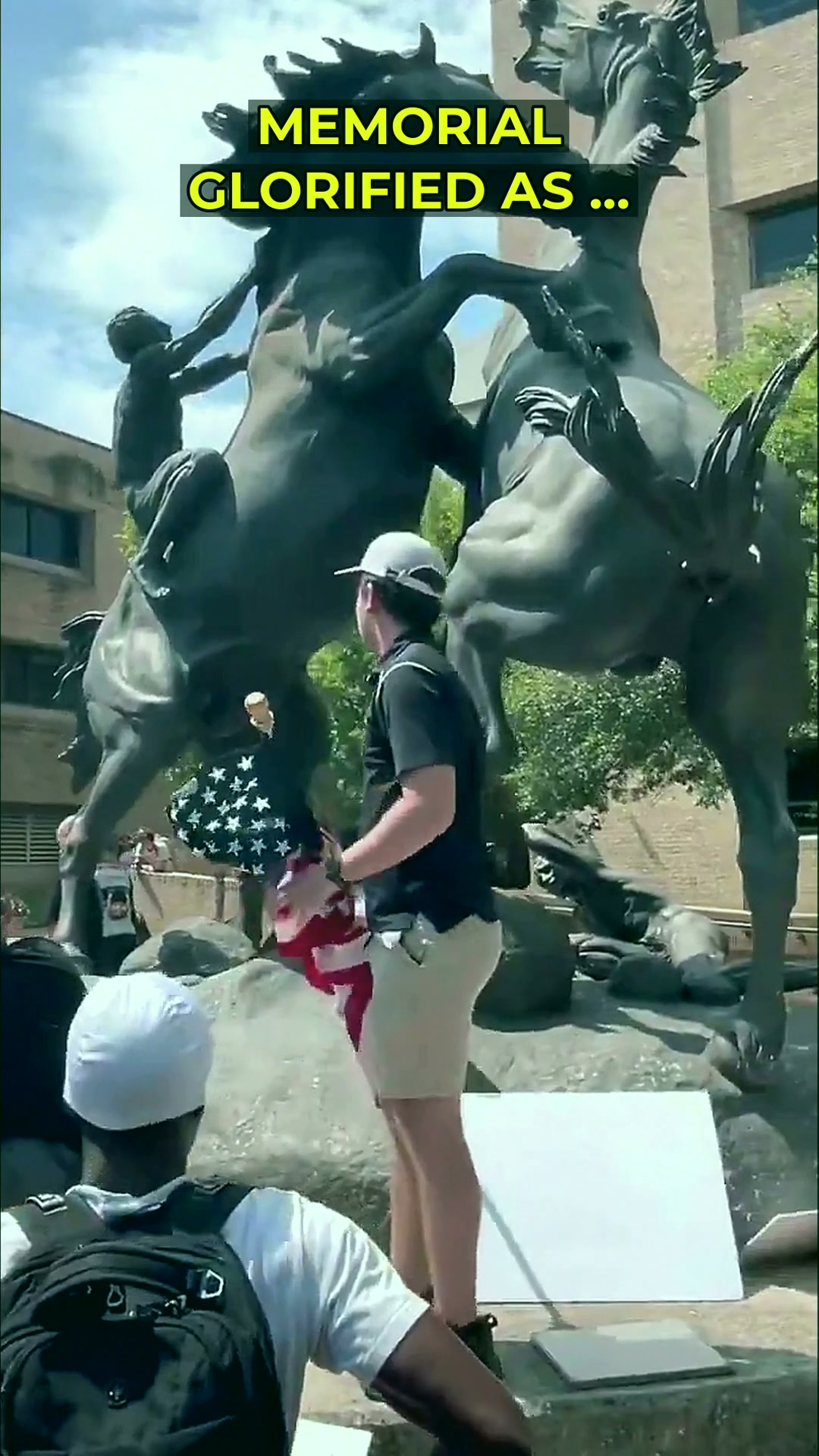
Imagine sitting in a lecture hall, trying to focus on a professor’s lesson, while somewhere across campus a fellow student is filming themselves pretending to assassinate a national figure—and encouraging others to do the same to you. That is the nightmare unfolding at Texas State University, where a student’s online theatrics have crossed from edgy provocation into a full-blown campus crisis.
The video, which has rapidly circulated across social media, shows the student gleefully mimicking the assassination of conservative activist Charlie Kirk. The performance isn’t just a bad joke. It includes direct calls for violence against members of Turning Point USA (TPUSA) on campus. The reaction from onlookers is immediate and visceral: “Oh my god! Oh buddy! You’re gonna get expelled dude!”
That prediction may very well become reality. But beneath the shock value lies a deeper, more unsettling question for every student, intern, and employee watching this story unfold: What are your actual rights when your online behavior becomes a liability to your institution—and your future?

The Legal Precedent: When Speech Becomes a Conduct Violation
Here is where the situation gets legally sticky. The First Amendment protects a vast amount of offensive speech. But universities are not public sidewalks. They are institutions with codes of conduct designed to maintain a safe learning environment. When speech escalates to targeting specific individuals with calls for violence, the shield of free expression begins to crack.
Courts have long held that true threats and incitement to imminent lawless action are not protected speech. While a parody video might seem like a gray area, the context matters. The student is not making a broad political statement; they are simulating the killing of a named individual and urging others to harm students affiliated with a specific group. That moves the needle from protected rhetoric into the territory of harassment and intimidation.
For the student involved, the consequences are stacking up faster than a TikTok algorithm’s feed. Expulsion is not just a possibility—it is a very probable outcome. And that is where the story takes a turn that should concern every worker and student who believes their online life is separate from their academic or professional one.
The Real Victim Here Is Due Process
Let’s be clear: The students at TPUSA have every right to feel unsafe. Walking to class knowing someone is actively fantasizing about your death is a terrifying reality. But the rush to judgment in the court of public opinion often tramples another fundamental right: the right to a fair process.
Universities are not courts of law. They operate under their own administrative procedures. A student can be expelled based on a preponderance of evidence, not proof beyond a reasonable doubt. The video is damning evidence, but it is also just a snippet of a larger context. Was the account hacked? Was it a private group chat that got leaked? Did the student have a history of mental health struggles that went unaddressed?
These are not excuses. They are questions that a robust system of accountability should ask before ruining a young person’s life. The tragedy of the modern outrage machine is that it demands immediate blood. There is no room for nuance, no space for an investigation, and no mercy for the accused.
“The system is not designed to be fair to the accused. It is designed to protect the institution’s reputation. And that is a terrifying thought for anyone who has ever made a mistake.”
Your Career Is a House of Cards
Here is the uncomfortable truth that this incident exposes: your job, your internship, and your academic standing are all fragile constructs. You are one viral video away from losing everything. And when you sign up for a university or a company, you are agreeing to a social contract that extends far beyond the classroom or the office floor.
Human resources departments are not your friends. They are risk management tools for the corporation. When a video like this surfaces, the liability is immediate. The company or university faces public backlash, potential donor withdrawal, and a toxic work environment claim from other employees. The quickest way to extinguish that fire is to cut the source—you.
This is the core of employer accountability in the digital age. While labor laws protect workers from retaliation for whistleblowing or union organizing, they do not protect you from the consequences of your own public behavior. If your employer deems you a reputational threat, they will terminate you faster than you can say “wrongful termination.” And proving that the firing was unjust is an uphill battle that most cannot afford.
Students and workers alike operate under an “at-will” employment or enrollment doctrine in most states. This means you can be let go for any reason that is not illegal (like race or gender discrimination). Posting a violent video is not a protected class. It is a fireable offense. It is an expellable offense. And the law offers very little shelter for those who believe their off-duty conduct is their own business.
The student at Texas State is learning this lesson in the most brutal way possible. The cheers of “you’re gonna get expelled” are not just taunts; they are a prophecy. The university is now backed into a corner. To do nothing is to signal that threats are tolerated. To act is to destroy a student’s future. Either way, the institution is the one holding the gavel.

The Chilling Effect on Every Student
For the rest of the student body, this incident serves as a brutal lesson in risk assessment. The line between a joke and a threat is not drawn in the sand; it is drawn in the aftermath of public outrage. What is funny to one group is terrifying to another. And the arbiter of that distinction is not a judge, but a mob of angry social media users and a nervous administration.
This is the new reality. Your digital footprint is a permanent record. Your “private” group chats are one screenshot away from becoming public evidence. And the institutions you rely on for education and employment will abandon you without hesitation to protect their own interests. The concept of “common sense” has evaporated in a cloud of viral outrage.
When you post something online, you are not just speaking to your friends. You are speaking to your future employer, your university’s conduct board, and every journalist looking for a story. The lack of respect for boundaries in the digital space is staggering. But the consequences are brutally real.
So, what happens next for this student? The investigation will likely be swift. The video is the smoking gun. The witnesses are on tape. The university will convene a hearing, and the student will be given a chance to explain. But the optics are insurmountable. How do you explain away a video of yourself pretending to kill a person?
This is not about free speech. This is about the consequences of your actions. And for the student at Texas State, the bill has come due. The only remaining question is whether this becomes a teachable moment about the fragility of our rights—or just another cautionary tale in a world where your worst moment is broadcast to millions. The silence from the administration is deafening. And that silence speaks volumes about the fear that has gripped every campus in America.