The Unsettling Chase at Denver’s Student Walkout: When a Crowd Turns and the Camera Keeps Rolling
A viral moment exposes a raw generational clash, leaving more questions than answers about who was really in control.
- The footage reveals a volatile dynamic where teenagers acted aggressively while some adults allegedly directed the chaos from the sidelines.
- The incident highlights how a protest meant for civic engagement spiraled into a personal safety concern for one individual.
- The video raises urgent questions about accountability, mob mentality, and the role of bystanders in a hyper-connected era.
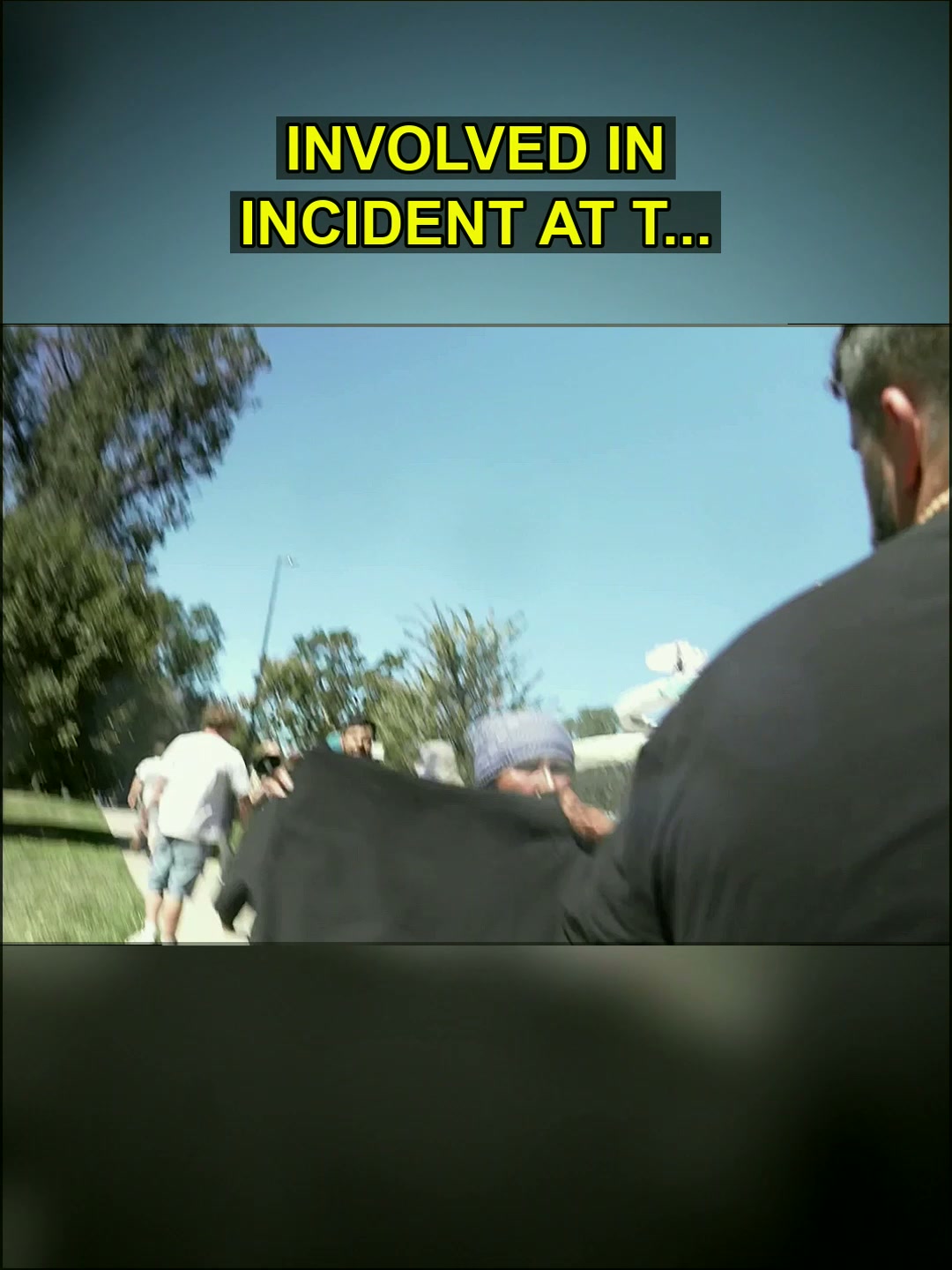
The footage is jarring, visceral, and hard to watch. One moment, there is a crowd; the next, a lone figure is backing away, step by step, toward a crosswalk. The park in Denver, meant to be a stage for student voices, turned into a scene of raw confrontation. The video, captured immediately after the chaos, shows an adult retreating from a cluster of teenagers who are not backing down. The caption on the clip is stark: “I was chased from the east side of the park to the SW corner.”
You can hear the adrenaline in the air. The shouting is not a debate; it is a chorus of jeers. “You just got beaten by a bunch of 16-year-olds,” a voice taunts. The adult responds, trying to de-escalate, reminding them of their age. But reason is drowned out by the energy of the pack. One teen yells, “Worldstar!”—a call to arms for viral fame. Another screams, “You got the content you needed. Go home.”
This is not a scene from a dystopian movie. This is a Tuesday afternoon. And the question lingering in the air is not just about what happened, but about what we are becoming when the line between protest and persecution blurs so easily.
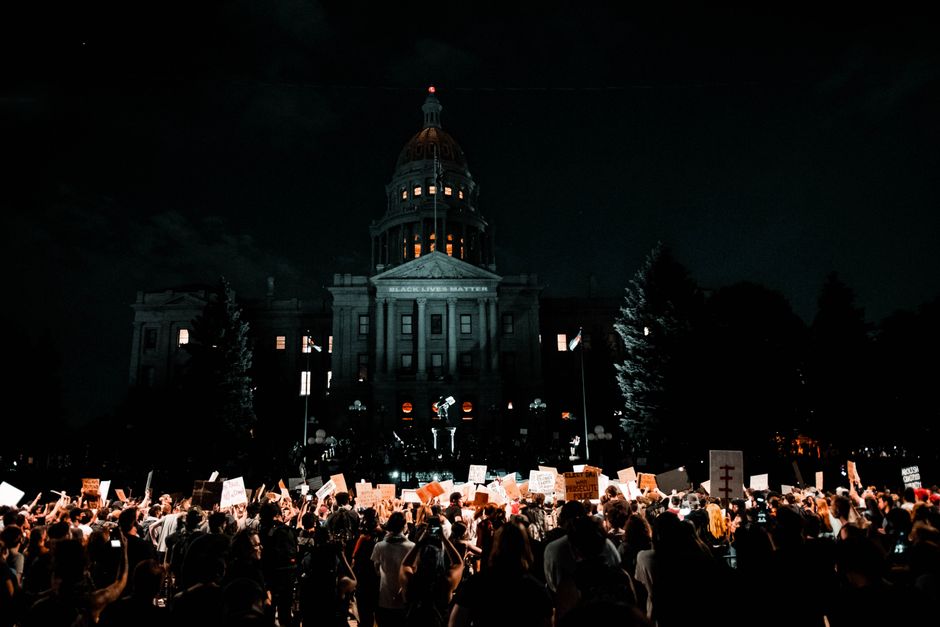
The Anatomy of a Standoff: Who Was Really in Charge?
Look closely at the footage. The teenagers are aggressive, yes. But the person filming points out a detail that chills the spine: “at the direction of many of the adults.” If true, this shifts the entire narrative. Were these children acting on their own impulses, or were they energized by older figures who preferred to stay in the shadows?
The video shows a group encircling a single individual. The adult keeps moving backward, hands up, trying to create distance. “Can I say something?” the adult pleads. The response is a wall of noise. “Chill, go home. You got what you needed.”
It is a terrifying display of mob psychology. In a split second, a crowd can transform from a gathering of advocates into a source of intimidation. The victim here is not just trying to escape a physical confrontation; they are trying to escape the collective will of a group that has decided they are the enemy.
The Human Story: The Fear Behind the Lens
Forget the politics for a moment. Strip away the banners and the slogans. What remains is a human being, alone, facing a crowd that is screaming at them to leave. The fear is palpable. The instinct to survive kicks in. You can see it in the way the adult scans the perimeter, looking for an exit that is not blocked.
This is the part of the story that often gets lost in the noise. Social media will slice this video into ten-second clips, assigning heroes and villains based on a snippet. But the full context reveals a terrifying reality: a person was chased across a park. They were backed into a crosswalk. They were surrounded.
What drives a group of teenagers to that level of hostility? Is it passion for a cause, or is it the thrill of the chase? The footage suggests a mix of both, fueled by the presence of phones recording every second. The promise of virality hangs over the scene like a fog.
“You got the content you needed. Go home.” — A voice from the crowd, captured on video.
That single line is a confession. It implies that the entire incident was a performance for the camera. The chase was not about ideology; it was about creating a moment that could be shared, liked, and commented on. The victim was not a political opponent; they were a prop in a digital theater.

The Ripple Effect: What This Means for Every Community
This incident in Denver is a mirror reflecting a broader societal shift. We are seeing a rise in public confrontations where the line between activism and aggression is being erased. The concept of “accountability” is being weaponized. Instead of dialogue, there is volume. Instead of respect, there is intimidation.
The teenagers in the video are not monsters. They are products of an environment that rewards outrage and punishes restraint. They saw an adult in their space and reacted with a pack mentality. The adults allegedly directing them are an even more troubling piece of the puzzle. Where is the “common sense” that should tell a grown person to intervene rather than instigate?
The victim in this video walked away, but the psychological scar remains. The feeling of being hunted in a public space is not easily forgotten. It shakes your faith in the idea that a community is a safe place. It makes you look over your shoulder at the next gathering, wondering if the crowd will turn.
The “justice” sought here is unclear. If the goal was to silence a dissenting voice, the video has done the opposite. It has amplified the incident to a global audience. The “unedited truth” of the footage paints a picture of a society struggling to find its balance between passionate expression and basic human decency.
The final frames of the video show the adult finally breaking free, walking away from the swarm. The taunts follow them. “Go home. Go home.” They do. But the question hangs in the air, unanswered: At what point did we decide that shouting someone down is a substitute for listening? And when the cameras stop rolling and the crowd disperses, who is left to clean up the wreckage of our collective rage?