The High-Stakes Gamble of Exposing Street Scammers: What Happens When the Camera Turns on Them?
One man’s relentless pursuit of fraudsters in broad daylight reveals the ugly underbelly of fake charities and phony sob stories—and the very real legal options victims have to fight back.
- Street scammers rely on intimidation and bribery to silence exposure, but these tactics often constitute criminal threats and attempted bribery.
- Victims of street-level fraud have concrete legal options, including filing police reports and pursuing civil lawsuits for financial liability.
- Recording scammers in public is generally legal, and their reaction—like stealing a camera—can escalate their legal exposure significantly.
Imagine handing over a $20 bill to a stranger holding a clipboard, thinking you are helping a sick child or a homeless veteran. Then imagine watching that same person get into a luxury car ten minutes later. That is the world Nick Shirley walked into—and the world he captured on camera.
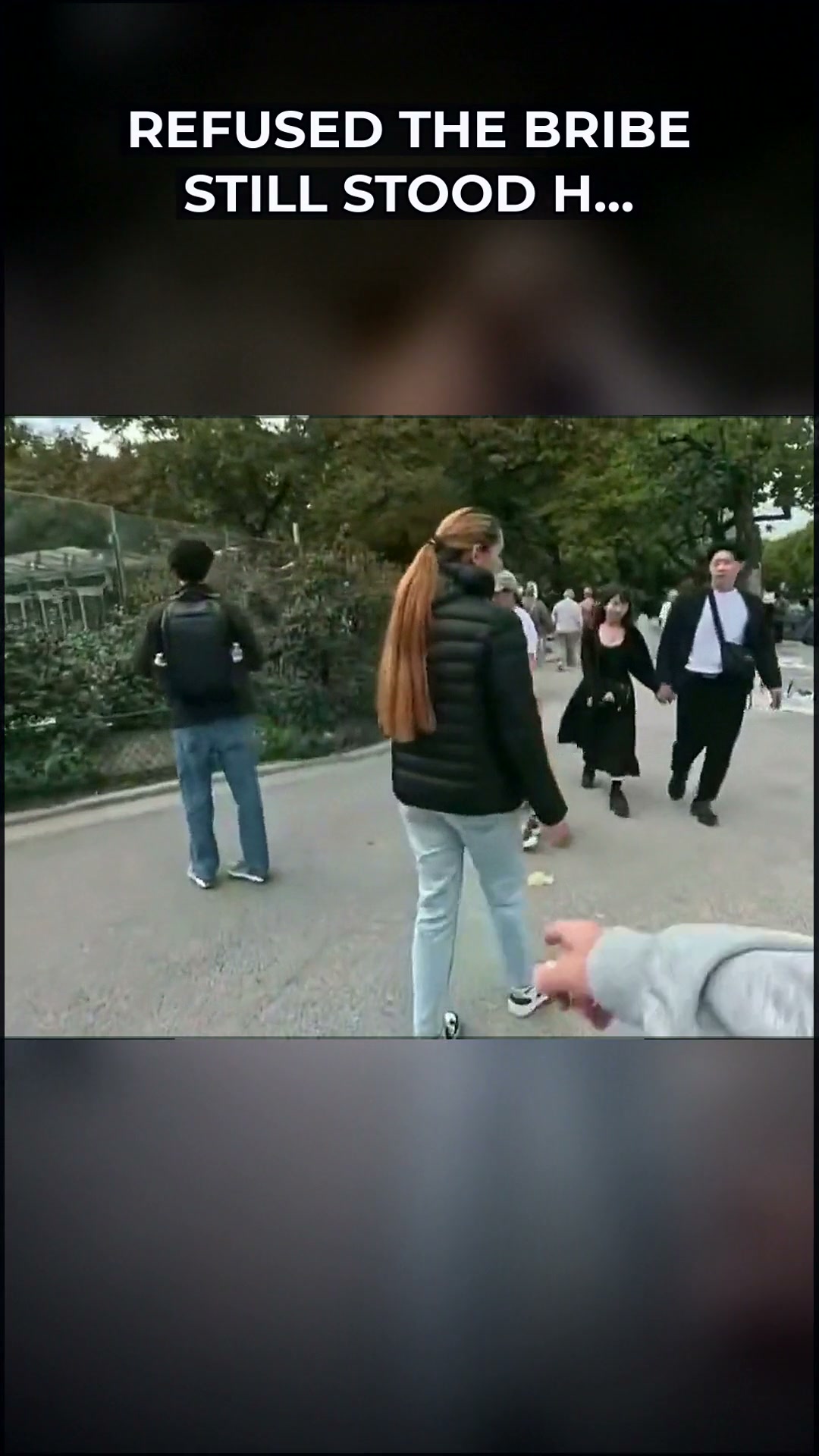
In a now-viral confrontation, Shirley approaches a group of street scammers and immediately hits the nerve. “You scam people for a living,” he says, pointing directly at the ringleader. The reaction is instant and telling: denial, then aggression, then panic. The scammers demand he stop recording, and one even lunges for his camera, shouting, “I’m robbing your camera, okay?”
This is the moment the mask slips. The friendly, sympathetic persona dissolves into a snarling threat. The public is no longer a mark; they are witnesses. And the scammers know exactly what that means: exposure is the death knell for their operation.
“You scam people for a living. You scam people. Ooh. Go away!” — Nick Shirley confronting street scammers
When the verbal assault fails, the scammers switch tactics. They try to bribe him. The implication is clear: take the cash, delete the video, and walk away. But Shirley refuses. The confrontation escalates until the scammers resort to the most telling phrase of all: “Go away, it’s not your problem.”
The Legal Precedent: When Fraud Meets the First Amendment
Here is the uncomfortable truth that scammers rely on: most people do not know their rights. They assume that filming in public is invasive or that confronting a fraudster is dangerous. But legally, the ground is far more solid than most Americans realize.
Recording in a public space is protected under the First Amendment. A street corner is not a private residence. When you are in public, you have no reasonable expectation of privacy. That is the legal foundation that allows citizen journalists like Shirley to operate. And when a scammer attempts to steal the recording device, they are not just committing theft; they are committing robbery—a felony in most jurisdictions.
But what about the victims? The elderly woman who hands over her Social Security check. The tourist who empties their wallet for a “dying child’s funeral.” These are not just unfortunate encounters; they are actionable financial crimes. Street scamming rings often operate under the guise of fake charities, and they are directly violating state and federal fraud statutes.
The financial liability for these scammers is staggering. In many states, victims can sue for treble damages—meaning three times the amount stolen—plus attorney’s fees. The problem is that most victims never file a police report. They feel embarrassed. They feel stupid. And that is exactly what the scammers are counting on.
The Financial Trap: Why Scammers Bet on Your Silence
Shirley’s video highlights a critical gap in consumer protection: underreporting. The scammers in the video are not just rude; they are serial predators. Their reaction to being caught—aggression, theft, bribery—reveals a pattern of behavior that thrives in the shadows of public indifference.
When a scammer says “go away, it’s not your problem,” they are using a psychological weapon. They are trying to isolate the witness, to make them feel powerless. But the law disagrees. In most jurisdictions, witnessing a crime and failing to report it is not itself illegal, but it is a moral failure that allows predators to continue their work. The real legal teeth come when the victim themselves steps forward.
For anyone who has been scammed on the street, the first step is documentation. Write down the time, location, and physical description of the scammers. Preserve any receipts or ATM withdrawals. Then file a report with the local police department. This creates a paper trail that can be used in a civil lawsuit. The statute of limitations for fraud in most states is between three and six years, which means there is time to pursue justice.

There is also the issue of the attempted bribe. In the video, the scammers try to buy Shirley’s silence. This is not just a plot point; it is a criminal act. Offering money to suppress evidence of a crime is obstruction of justice. If the police were to review this footage, the scammers would be handing over the evidence of their own guilt on a silver platter.
The deeper issue here is that street scamming is often treated as a nuisance, not a crime. Police departments are stretched thin, and a $50 fake donation seems trivial compared to violent crime. But the reality is that these operations are often part of larger networks that move from city to city, targeting vulnerable populations with impunity.
Consumer Rights: The Tools You Actually Have
What most people do not know is that consumer protection laws extend far beyond the storefront. If you are solicited for a donation, you have the right to ask for a registered charity ID number. If the person cannot provide one, you can report them to the state attorney general’s office. In many states, unregistered solicitation is an automatic misdemeanor.
Furthermore, the Federal Trade Commission (FTC) has jurisdiction over deceptive fundraising practices. Filing a complaint with the FTC is a simple online process, and it creates a federal record. If enough complaints are filed against the same individual or group, it can trigger a federal investigation.
Shirley’s video is more than just a satisfying takedown; it is a public service announcement. It shows that scammers are cowards at heart. They rely on social pressure and pity, but they crumble when confronted with direct accountability. The moment they tried to steal his camera, they abandoned any pretense of legitimacy. They showed their true colors: greed, aggression, and a complete disregard for the law.

The broader implication is that ordinary citizens have more power than they realize. The law is on the side of the victim and the witness. The problem is that too many people choose to look away. They rationalize that it is not their business, that the amount is too small, that the hassle is not worth it. But that is precisely the logic that allows street scammers to operate with impunity.
The next time you see someone with a clipboard and a tear-jerking story, ask for their registration number. Take out your phone and start recording. You do not have to be aggressive; you just have to be present. Scammers hate witnesses. They hate documentation. And they absolutely hate being caught on camera.
The confrontation captured by Shirley is a masterclass in the power of public exposure. The scammers tried every trick in the book: intimidation, theft, bribery, and dismissal. None of it worked. And now, their faces are on the internet, their tactics are exposed, and their ability to scam the next innocent passerby is severely compromised.
But the question remains: how many victims have they already claimed? How many people handed over cash, believing they were helping a good cause, only to be robbed by professionals? Those victims have a path to justice, but it requires them to step forward. It requires them to file reports, to demand accountability, and to refuse to be shamed into silence.
The scammers in the video wanted Nick Shirley to walk away. They wanted him to accept the bribe. They wanted him to believe it was not his problem. He refused. And that single act of defiance may have saved countless others from falling into the same trap. The footage is now part of the public record, a testament to the fact that accountability is not just a concept—it is a practice. And it starts with refusing to look away.