Lawmakers Discuss Social Security Solvency as the 2032 Deadline Approaches
The Clock Is Ticking: Washington Faces Growing Pressure to Secure Social Security’s Future
As the 2032 insolvency deadline looms, policymakers grapple with the political risks of reform versus the long-term stability of the American safety net.
For millions of Americans, Social Security is far more than a government program; it is the bedrock of retirement stability and a fundamental promise made between the state and its citizens. Yet, year after year, the release of the Social Security Board of Trustees’ annual report serves as a somber reminder of the system’s mathematical fragility. With the projected insolvency date of 2032 drawing ever closer, the debate over how to preserve the program has shifted from a distant policy concern to an urgent political necessity.
The core of the issue lies in a structural funding gap that has been identified for decades, yet has remained largely unaddressed by successive sessions of Congress. As the population ages and the ratio of workers to retirees shifts, the revenue collected through payroll taxes is increasingly insufficient to cover the full scope of promised benefits. While the system will not disappear overnight, the current trajectory points toward a forced reduction in payouts if lawmakers fail to reach a consensus on revenue increases or benefit adjustments.
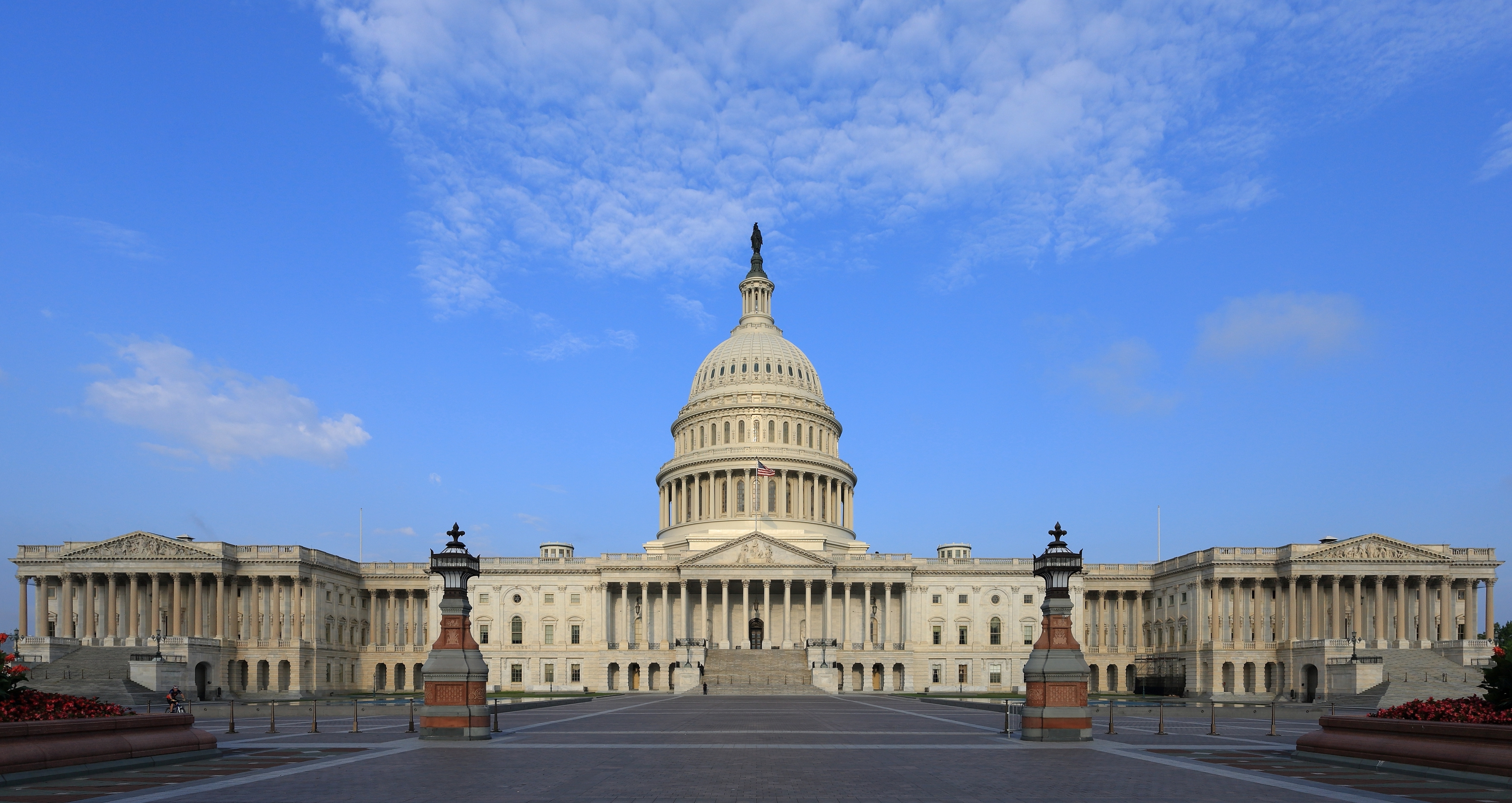
Observers of the legislative process often point to a culture of avoidance that has permeated Capitol Hill regarding this specific issue. The common refrain among analysts is that politicians fear the electoral consequences of “doing what is right,” opting instead to defer the heavy lifting to a future Congress. This cycle of procrastination has created a sense of institutional fatigue, where the annual warning from trustees is met with temporary alarm followed by long-term inaction.

The conflict surrounding Social Security reform is fundamentally a battle between two competing visions of fiscal responsibility. One side argues that the primary solution must involve shoring up revenue through tax policy changes, such as raising the cap on earnings subject to payroll taxes. Proponents of this view emphasize that the system’s strength is its universality and that strengthening it through progressive taxation is the most equitable path forward.
On the other side of the aisle, many policymakers advocate for structural reforms that address the program’s long-term outlays. This perspective often suggests that minor adjustments to retirement ages or changes to cost-of-living calculation methods could preserve the system’s viability without placing an undue burden on current workers. Supporters of this approach argue that if the program is not modernized to reflect current life expectancies and economic realities, it will eventually require even more drastic and painful interventions.
The public reaction to these proposals is predictably polarized, reflecting a deep-seated anxiety about the future of retirement. Many citizens view any talk of benefit adjustment as an attempt to erode a hard-earned safety net, while others see a lack of reform as a betrayal of fiscal trust. This friction makes Social Security one of the most difficult “third rails” in American politics, where even moderate suggestions for change can be weaponized in campaign cycles.
Why does this matter now more than ever? Beyond the immediate budgetary numbers, the Social Security debate is a proxy for the broader question of government accountability in the United States. When the public perceives that their elected officials are choosing political survival over the long-term health of essential institutions, the resulting erosion of trust can have ripple effects that reach far beyond the retirement system itself.
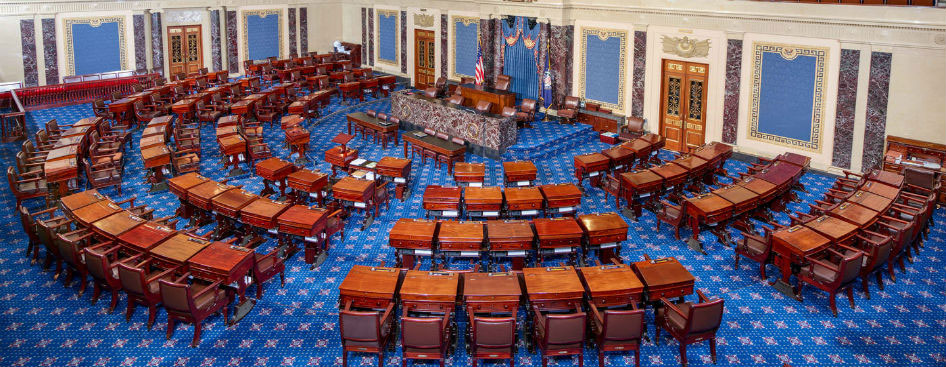
The 2032 deadline acts as a concrete anchor in a conversation that is often clouded by abstract economic forecasts. While politicians are experts at navigating short-term news cycles, the impending insolvency of the trust fund forces a confrontation with reality that cannot be indefinitely postponed. Every year that passes without a comprehensive legislative fix increases the scale of the eventual adjustment required, making the political cost of inaction even higher.
Economists have long argued that the most effective reforms are those enacted well in advance, allowing individuals to adjust their financial planning accordingly. By delaying, Congress essentially limits the menu of options, potentially forcing a choice between sharp tax hikes or significant benefit cuts. This lack of foresight is increasingly cited by good-government groups as a failure of the current legislative model, which prioritizes immediate polling over long-term sustainability.
Furthermore, the demographics of the workforce are changing, with the rise of the “gig economy” and fluctuations in labor participation rates complicating the traditional payroll tax funding mechanism. These changes mean that the old formulas used to calculate the program’s stability are also being tested by modern economic shifts. Policymakers must now consider not just the aging population, but also the changing nature of how Americans earn their living.

Ultimately, the challenge of saving Social Security is a litmus test for the American political system’s ability to solve complex, long-term problems. It requires a rare level of bipartisan cooperation, as a problem of this magnitude cannot be solved by one party alone without the risk of the policy being undone in the next legislative cycle. Whether Congress can transcend the current climate of division to reach a durable consensus remains the defining question of this fiscal era.
As the debate continues to simmer, the pressure from voters for clarity will only grow. The program remains a central feature of the social contract, and the expectation remains that leaders will eventually find the courage to prioritize the system’s longevity. Whether that moment of clarity occurs before or after the 2032 deadline, the history of this issue will likely be written by the willingness of current lawmakers to finally put the program’s future ahead of their own political convenience.
In the final analysis, the story of Social Security is the story of America’s commitment to its aging population. It is a reminder that the most significant challenges facing the nation are often the ones that require the most patience and the greatest sacrifice. As the clock continues to tick, the focus shifts toward which leaders will be willing to step forward and forge a path that secures this essential promise for the generations that follow.