The Quiet Strength of a San Antonio Neighborhood: What an ICE Operation Really Looks Like From the Sidewalk
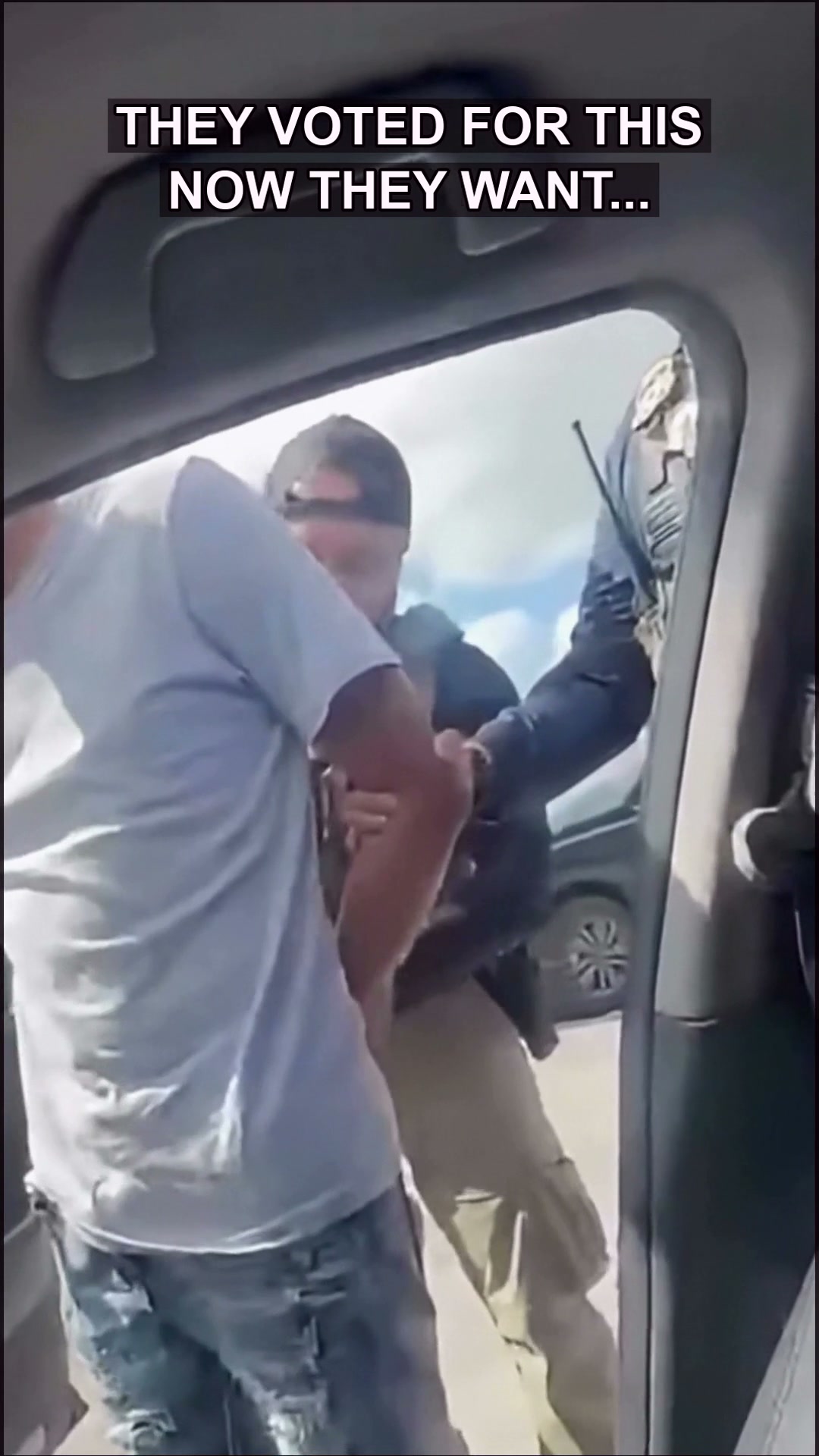
When federal agents roll down a residential street, the cameras capture the badges. But the people on the ground are living a different story entirely—one of instinct, protection, and raw human connection.
- An ICE operation in San Antonio unfolds in broad daylight, leaving residents on edge and families scrambling for answers.
- A bystander’s protective instinct toward a minor reveals the deep communal bonds that emerge in moments of high tension.
- The scene underscores a broader national conversation about enforcement, community trust, and the human cost of policy in action.
The morning air in this San Antonio neighborhood was thick with the ordinary sounds of a weekday—car doors slamming, a distant radio, the shuffle of feet on pavement. Then the tone shifted. A voice cut through the noise, sharp and commanding: “Manos atrás, manos atrás.” Hands behind your back. The ordinary became extraordinary in a matter of seconds.
What unfolded next wasn’t a scene from a policy debate or a cable news graphic. It was real life, happening on a real street, with real people watching from their porches and sidewalks. A child named Diego stood nearby as an adult whispered urgently, “Ellos no te pueden tocar porque tú eres menor de edad.” They cannot touch you because you are a minor. It was a moment of pure instinct—an adult shielding a young person from the chaos, both physically and emotionally.
Another bystander, calm but persistent, asked for a name. “Disculpe, ¿cuál es su nombre?” The request hung in the air, unanswered. It wasn’t an act of defiance. It was an act of documentation—a reflex born from a world where visibility is safety and silence is risk.
The Bystander’s Burden: Why We Watch, Why We Record
There is a strange responsibility that falls on the person holding a phone while federal agents do their work. You are not part of the operation, but you are part of the moment. The person who filmed this didn’t intervene physically. They didn’t shout or obstruct. They simply observed, asked a question, and offered a quiet reassurance to a child.
That reassurance—”they cannot touch you”—was not a legal argument. It was a human one. It was an adult telling a young person that, no matter what is happening around them, they are still protected by something. By someone. By the community that stands behind them, even when standing back.
“Ellos no te pueden tocar porque tú eres menor de edad.” In four sentences, a bystander became a shield. That is not politics. That is parenthood.
For the adults watching from doorways, the calculus was instant. Do you approach? Do you retreat? Do you record? Every choice carries weight. Every second feels like an hour. The instinct to protect the youngest among us overrides everything else—including fear.

The Child in the Frame: What Diego Represents
Diego is not a name in a report. He is a kid who was standing in the wrong place at the right time to learn a hard lesson about the world. The adult who spoke to him did not lecture him about immigration law or federal policy. They gave him a simple truth: you are a minor, and there are lines that even agents cannot cross.
That moment of clarity is worth more than any legal briefing. It is the kind of information that shapes how a young person understands authority, safety, and their own place in a society that sometimes feels like it is moving against them.
This is the part of the story that gets lost in the noise of political commentary. The raw caption attached to this video celebrated the operation. But the video itself tells a