Provo Activist Booked After Lobby Takedown
WATCH: On-scene video documentation is embedded below →
LISTEN TO THIS ARTICLE
Audio Narration • English (US)
Provo Deputy Takedown of Activist Sparks Escalating Dispute
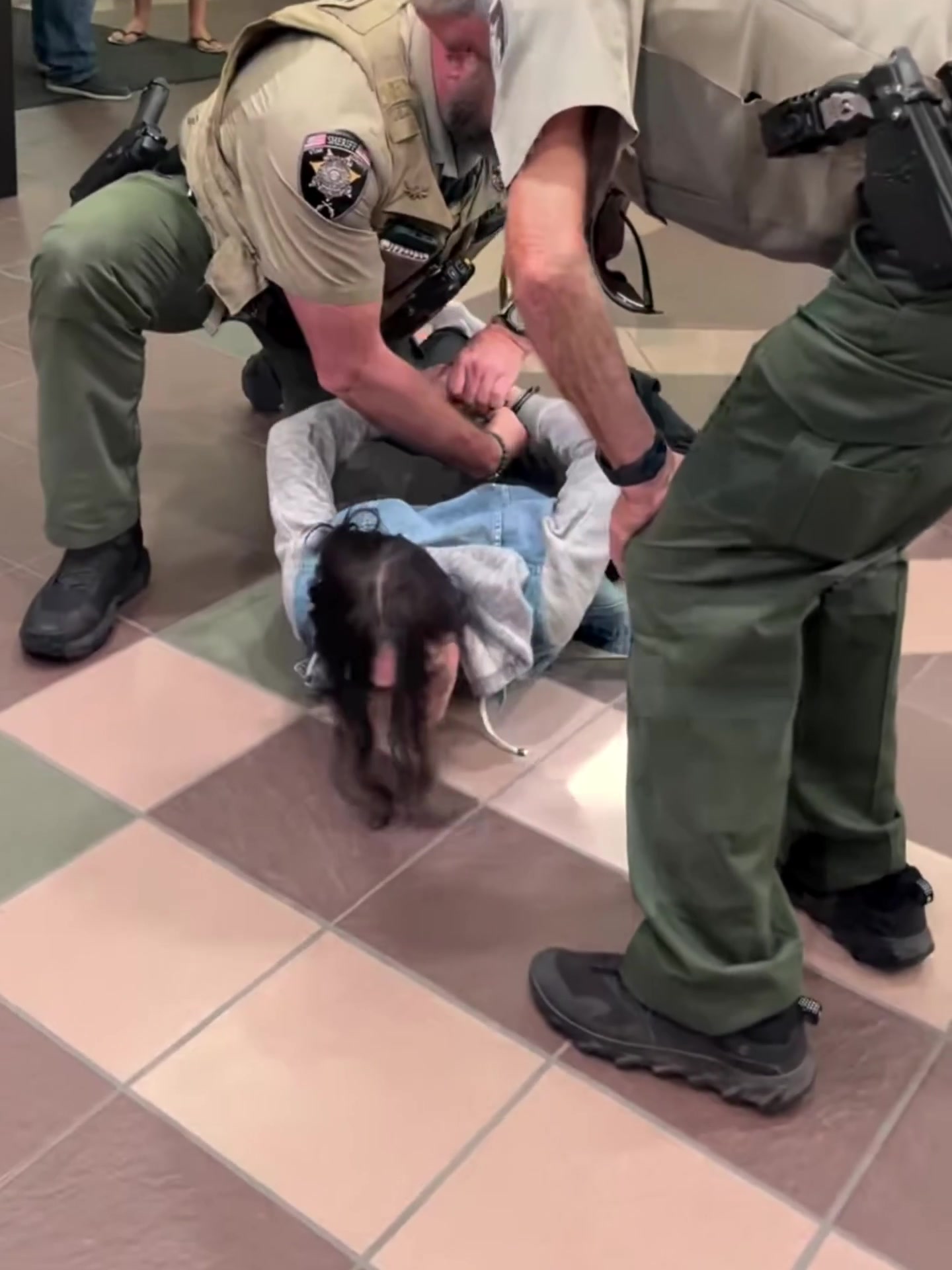
A chaotic scene unfolded in the lobby of a Utah County government building when a 27-year-old activist was physically removed from a planning commission meeting, resulting in her being taken to the ground and booked on multiple charges. The incident, captured on video and now circulating widely, has ignited a fierce debate over the use of force versus the rules of public participation.
- The Utah County Planning Commission was voting on a controversial data center ordinance in Provo on Tuesday night.
- A commissioner requested that a disruptive attendee, identified as 27-year-old activist Aspen Azalea, be removed from the chambers.
- A sheriff's deputy escorted Azalea into the lobby, where both individuals ended up on the floor during a physical struggle.
- The Utah County Sheriff's Office reports that Azalea struck the deputy and booked her on charges of disrupting a meeting, interfering with an officer, and assaulting an officer.
- Azalea claims she suffered a concussion during the incident and was transported to the emergency room.
The Controversial Ordinance and the Meeting
The tension in Provo began not in the lobby, but inside the meeting room itself. The Utah County Planning Commission had gathered to vote on a data center ordinance, a topic that has generated significant local interest. According to reports, approximately 100 residents packed the meeting to oppose the ordinance. The debate was heated, reflecting the growing friction between community members and the rapid expansion of data infrastructure in the region.
During the proceedings, a commissioner requested that a disruptive attendee be removed. The situation escalated when a sheriff's deputy stepped in to escort the individual out. This request set into motion the events that would soon draw national attention and scrutiny to the Utah County Sheriff's Office. The commission ultimately advanced the data center ordinance despite the vocal opposition from the crowd.

The Physical Escalation in the Lobby
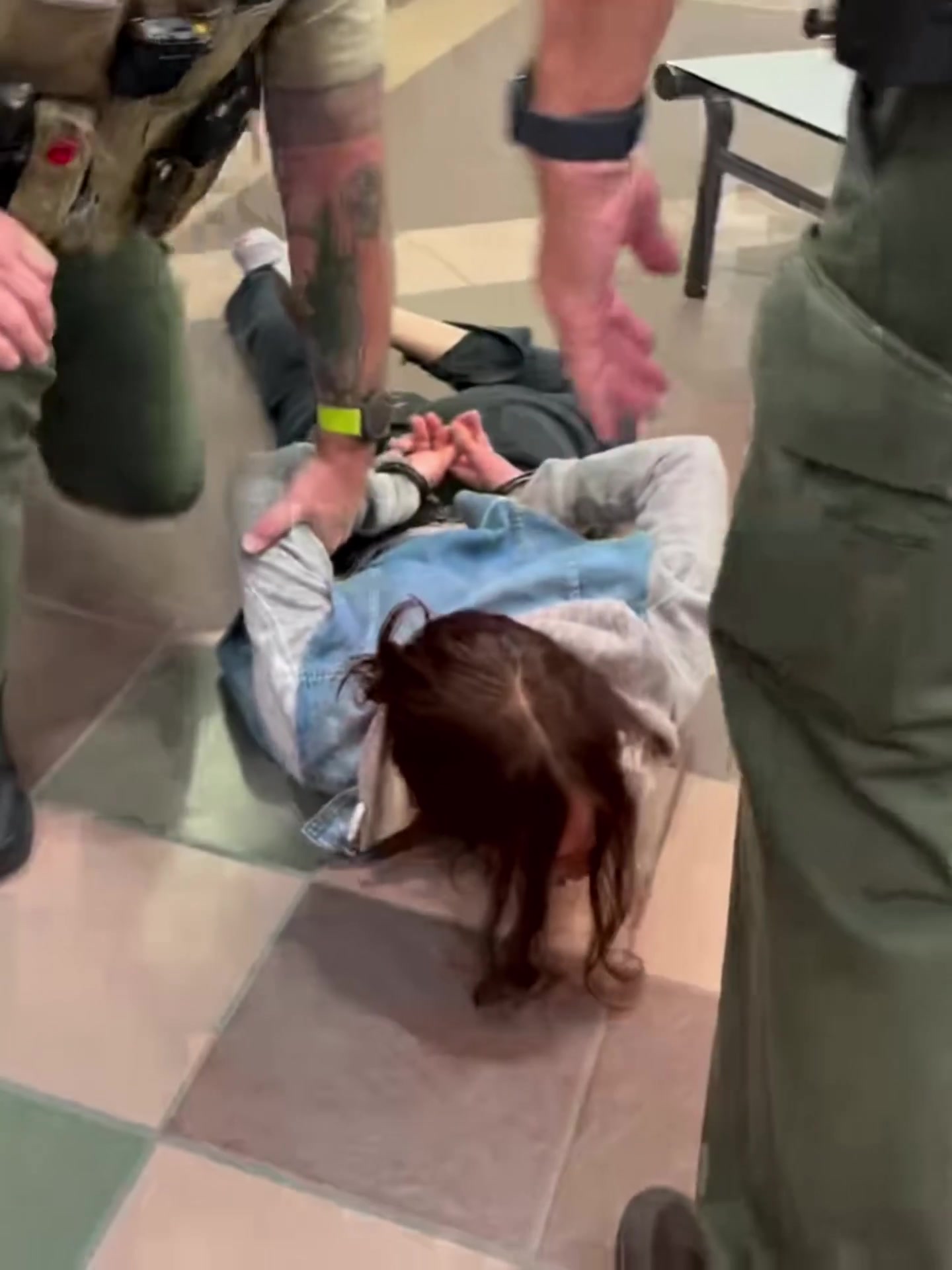
The core of the controversy centers on what happened in the lobby after the deputy escorted the activist out of the chambers. A video of the incident shows Aspen Azalea being taken to the ground by the deputy. The footage, which has been widely shared on social media, depicts a chaotic struggle that ended with the officer's hand pinning the woman's neck to the floor.
Witnesses and the sheriff's office present conflicting accounts of the physical interaction. The Utah County Sheriff's Office maintains that Azalea struck the deputy during the removal process, justifying the physical response to subdue her. However, the incident itself remains a point of intense contention. Azalea was subsequently arrested and booked into jail.
Read more:
Read more: Confederate Flag Driver Confronted Over Controversial Car Art →
Competing Narratives and Community Outcry
The release of the video has sparked immediate and polarized reactions from the public and activists alike. Supporters of the activist are calling the incident an act of police brutality, pointing to the severity of the takedown and the claim that she was thrown to the floor. The emotional audio captured from the scene highlights the distress, with the woman's voice heard crying out in pain, stating, "You literally threw me to the ground, my jaw hurts."
Conversely, the sheriff's office statement emphasizes that the disruptive behavior warranted removal and that the physical intervention occurred after the deputy was struck. This assertion is supported by the charges filed against her, which include assaulting a peace officer. Under Utah law, specific statutes address the interference with officers and assault on peace officers, making these separate criminal offenses regardless of the motivation behind the protest.
The Medical Aftermath and Legal Entanglements
In the wake of the lobby altercation, Aspen Azalea was transported to the emergency room. She claims to have suffered a concussion, a claim that adds a layer of medical complexity to the legal proceedings. The video shows her being pinned face-down on the tiled floor of the lobby, a position that raises questions about the level of force applied during the arrest.
The sheriff's office has not provided further medical details, and the internal review will likely examine the mechanics of the takedown. The disparity between the official charges of assault and the activist's complaint of a concussion forms the crux of the ongoing investigation. Community members, including witnesses who observed the tussle from the chambers to the lobby, have questioned whether the deputy's use of force was justified and proportionate to the situation.

| Incident Parameter | Recorded Observation / Field Evidence |
|---|---|
| Location | Lobby of the Utah County government building in Provo, Utah |
| Date of Event | Tuesday night, during a Planning Commission meeting |
| Primary Subject | 27-year-old activist Aspen Azalea |
| Triggering Event | Commissioner asked for a disruptive attendee to be removed |
| Physical Altercation | Deputy and Azalea went to the ground in the lobby |
| Official Statement | Sheriff's office says she struck the deputy |
| Medical Outcome | Azalea reports suffering a concussion; taken to ER |
Core Questions and Unresolved Issues
- What specific actions by the deputy and the activist led to both of them falling to the ground in the lobby?
- Will the internal review by the Utah County Sheriff's Office lead to the release of additional body camera or surveillance footage?
- How will the courts weigh the charges of assaulting an officer against the activist's claim of excessive force and injury?
You just threw me to the ground, my jaw hurts!
As the investigation continues, the community remains divided over the intersection of free speech, protest, and law enforcement protocol. The decision by the planning commission to advance the data center ordinance remains a secondary but underlying factor in the friction that boiled over that night. The review will determine whether the deputy's actions were within policy or if the confrontation will lead to further legal consequences.
What does the visual evidence in the lobby suggest about the proportionality of the response to the disruption? We want to hear your perspective.