How Communities Draw the Line When Hate Turns to Harassment in Public Spaces
A disturbing Hyde Park confrontation raises urgent questions about accountability, victim support, and the true cost of unchecked aggression in our streets.
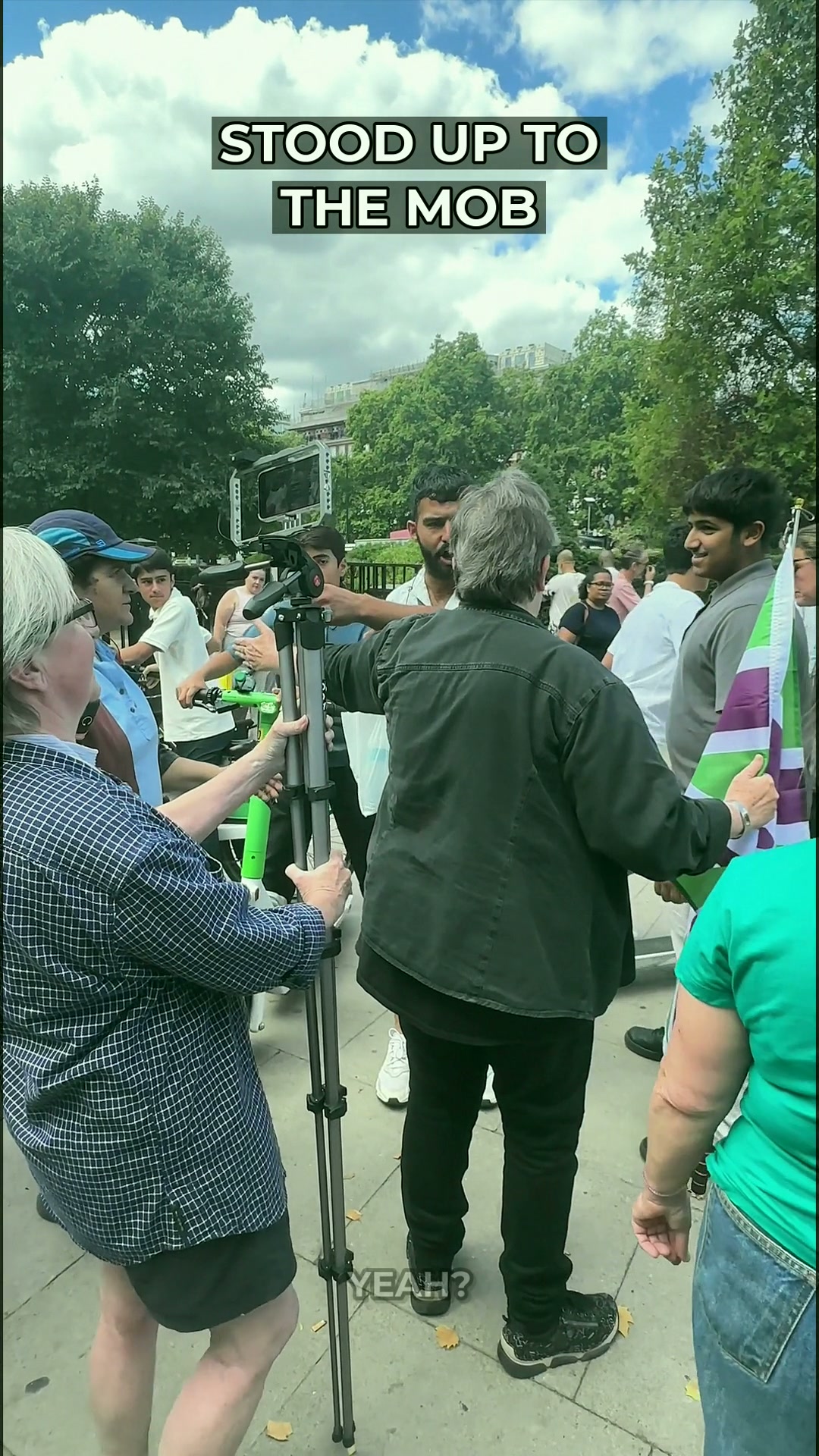
The video starts in chaos. A group of men on scooters circle a small crowd in Hyde Park like predators, their voices dripping with contempt. “You’re not fucking here, you hear? Just go back,” one of them snarls. The target? Ordinary citizens who dared to walk through a public park.
The LWS group—London Walking Safety—was doing nothing provocative. They were walking. That was enough.
What happened next is a textbook case of what happens when basic respect evaporates and aggression takes the wheel. The elderly man in the group became the primary target. “He’s an old man, yeah? He can’t fight,” a woman pleads as the scooter riders close in. Her plea is met with a torrent of slurs: “Shut the fuck up, bitch. You’re a fucking bitch.”

The Anatomy of a Public Ambush
This wasn’t a spontaneous outburst. The coordinated circling, the targeted insults, the refusal to back off—these are the hallmarks of deliberate intimidation. The scooter riders didn’t stumble into a conflict. They created one.
The video captures the victims trying every de-escalation tactic in the book. “Right, we need to ignore the silly little boys on scooters, please. Let’s go,” one member instructs the group. They attempt to move away. The scooters follow.
“They didn’t just shout insults—they hunted. That’s the difference between a bad day and a hate crime in the making.”
The assailants didn’t care about the camera recording them. In fact, they seemed to relish it. “Let’s see the camera on that,” one taunts before unleashing another round of venom. This is the new face of public harassment—performative, recorded, and utterly shameless.
What Justice Actually Looks Like After the Cameras Stop Rolling
The immediate aftermath is where most stories like this go cold. The victims file a report. The video goes viral. Outrage spikes. Then—silence. But accountability doesn’t have to be a fantasy.
Victim support organizations like the London Walking Safety group and broader community safety networks are stepping up to fill the gap that official channels often leave open. These groups are documenting incidents, building legal cases, and creating pressure for real follow-through.
The key is not just reporting the crime—it’s making sure the system processes it. That means preserving evidence, identifying perpetrators through community networks, and demanding that prosecutors treat public harassment with the seriousness it deserves.
Community accountability is not a soft concept. It’s the mechanism by which ordinary people reclaim their streets. When the police response is slow or inadequate, it falls to neighbors, witnesses, and grassroots organizations to ensure that perpetrators face consequences.
The Resources That Actually Help Victims
For anyone who finds themselves in a similar situation, the playbook is clear. First: record everything. The video in this case is the single most powerful tool the victims have. Second: do not engage. The group’s instinct to de-escalate and protect the elderly member was correct. Third: seek specialized support.
Organizations like Stop Hate UK, Tell MAMA (Measuring Anti-Muslim Attacks), and local victim support services offer free, confidential assistance. They help with reporting, legal advice, and emotional support. The London Walking Safety group itself has become a resource—a network of citizens who refuse to be intimidated.

The scooter riders believed they could do anything because they believed nothing would happen to them. That belief is the cancer that community accountability is designed to cure.
The video ends with the group still walking away, still being followed, still absorbing abuse. No resolution. No police sirens. No apology. Just the unedited truth of what happens when hate meets a camera—and what still needs to happen for justice to catch up.