The Disheartening Reality of How Women in Public Life Are Reduced to Appearance, While Their Substance and Contributions Are Overlooked
The Double Standard: Michelle Obama’s Frustrations with Public Scrutiny
Former First Lady Speaks Out Against Sexism and Objectification in Politics

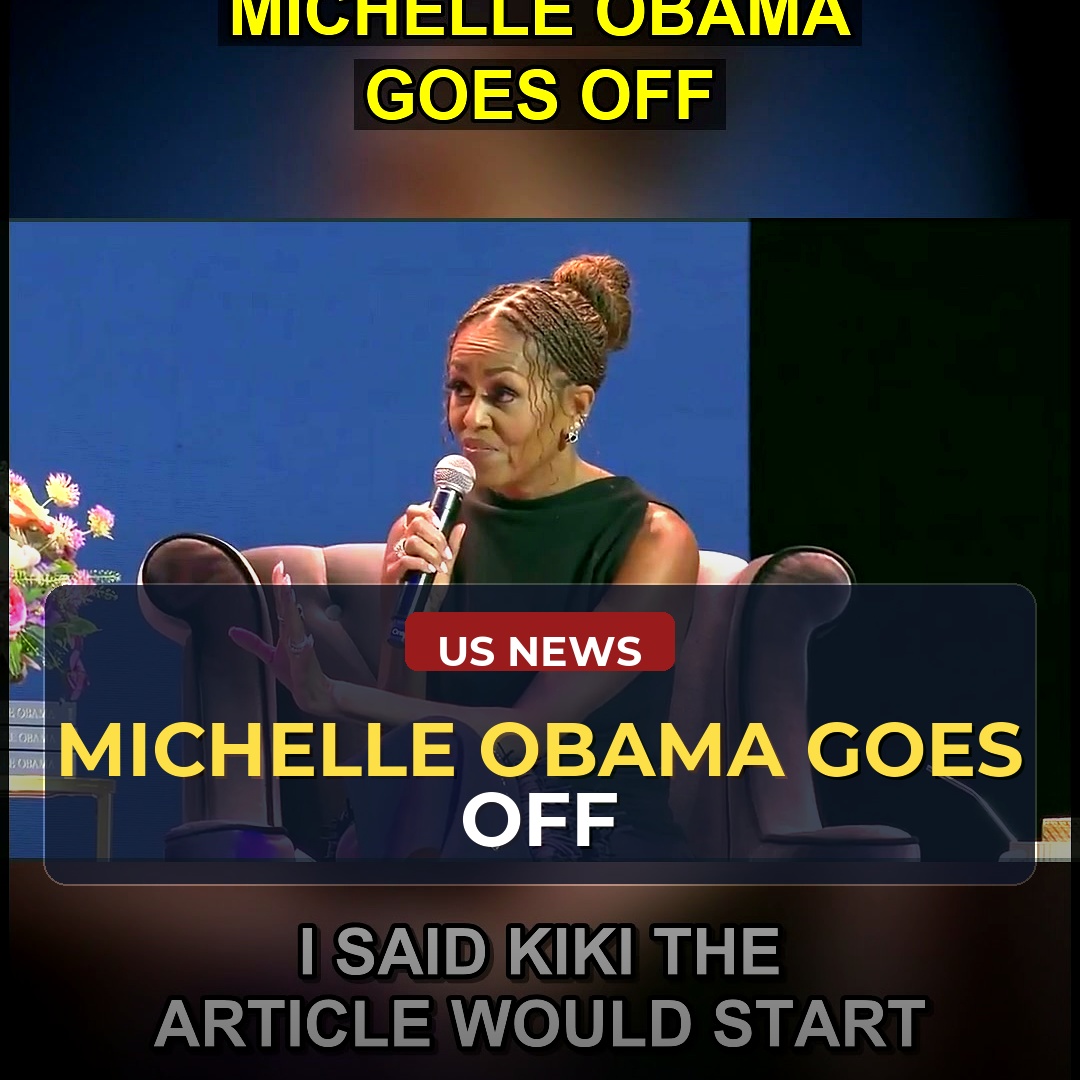
Michelle Obama, the former First Lady of the United States, has been making headlines recently with her candid comments about the public’s obsession with her appearance. In a recent interview, she expressed frustration with the way women in politics are often reduced to their physical appearance, rather than their intellect and accomplishments. This criticism sparked a heated debate about sexism and objectification in the public sphere, with many Americans weighing in on the issue.
The former First Lady’s comments were prompted by her own experiences with the media, where she felt that her fashion choices and physical appearance were constantly scrutinized and criticized. She noted that even if she were to give an impassioned speech, the media would likely focus on what she was wearing, rather than the substance of her message. This phenomenon, she argued, is a classic example of how women in politics are diminished and marginalized, with their contributions and ideas often taking a backseat to their physical appearance.
This issue is not unique to Michelle Obama, but rather a symptom of a broader cultural problem. Women in public life, particularly those in politics, are often subject to intense scrutiny and criticism, with their appearance and personal lives being fair game for the media and the public. This can have a chilling effect on women’s participation in politics, as they may feel that they will be judged and criticized not on their merits, but on their appearance and personal characteristics.
The controversy surrounding Michelle Obama’s comments has sparked a wider conversation about sexism and objectification in American society. Many have come to her defense, arguing that she is right to speak out against the double standard that women in politics face. Others have criticized her, arguing that she is being overly sensitive and that the media’s focus on her appearance is simply a reflection of the public’s interest in her as a public figure.
One of the key issues at play here is the way in which women in politics are perceived and treated by the media and the public. While men in politics are often judged on their policies and actions, women are frequently subject to scrutiny and criticism of their appearance, clothing, and personal lives. This can create a difficult and hostile environment for women in politics, where they feel that they are being held to a different standard than their male colleagues.
In recent years, there has been a growing recognition of the importance of diversity and representation in politics. With more women running for office and being elected to positions of power, there is a greater awareness of the need to create a more inclusive and supportive environment for women in politics. However, as Michelle Obama’s comments highlight, there is still much work to be done to address the underlying issues of sexism and objectification that women in politics face.

The implications of this issue extend far beyond the world of politics. The way in which women are perceived and treated in public life has a profound impact on the way in which they are perceived and treated in other areas of society. If women in politics are subject to sexism and objectification, it sends a powerful message about the value and worth of women in general. This can have a corrosive effect on society as a whole, perpetuating negative attitudes and stereotypes about women and limiting their opportunities and potential.
Ultimately, the controversy surrounding Michelle Obama’s comments is a wake-up call for American society. It highlights the need for a more nuanced and thoughtful conversation about the role of women in politics and the way in which they are perceived and treated by the media and the public. By speaking out against sexism and objectification, Michelle Obama is helping to create a more inclusive and supportive environment for women in politics, and paving the way for a more equitable and just society.
As the debate surrounding Michelle Obama’s comments continues, it is clear that this is an issue that will not go away anytime soon. The former First Lady’s words have struck a chord with many Americans, who are increasingly recognizing the need to address the underlying issues of sexism and objectification that women in politics face. By engaging in a more thoughtful and nuanced conversation about these issues, we can work towards creating a more inclusive and supportive environment for women in politics, and a more equitable and just society for all.
The significance of Michelle Obama’s comments lies not just in their candor, but in their timing. As the United States continues to grapple with issues of inequality and social justice, the former First Lady’s words serve as a reminder of the importance of addressing the systemic and institutional barriers that prevent women from reaching their full potential. By speaking out against sexism and objectification, Michelle Obama is helping to create a more just and equitable society, where women are valued and respected for their contributions and accomplishments.
As we move forward, it is clear that the conversation surrounding Michelle Obama’s comments will continue to evolve and unfold. However, one thing is certain: the former First Lady’s words have sparked a necessary and important conversation about the role of women in politics and the way in which they are perceived and treated by the media and the public. By engaging in this conversation, we can work towards creating a more inclusive and supportive environment for women in politics, and a more just and equitable society for all.
In conclusion, the controversy surrounding Michelle Obama’s comments is a complex and multifaceted issue, with implications that extend far beyond the world of politics. By speaking out against sexism and objectification, the former First Lady is helping to create a more inclusive and supportive environment for women in politics, and paving the way for a more equitable and just society. As we continue to grapple with the challenges and complexities of this issue, it is clear that Michelle Obama’s words will remain a powerful and enduring call to action, inspiring us to work towards a more just and equitable future for all.