Polish MEP Tarczyński Unleashes Fury at EU’s Great Replacement Agenda: “Not Afraid of Anything” in Scathing Speech
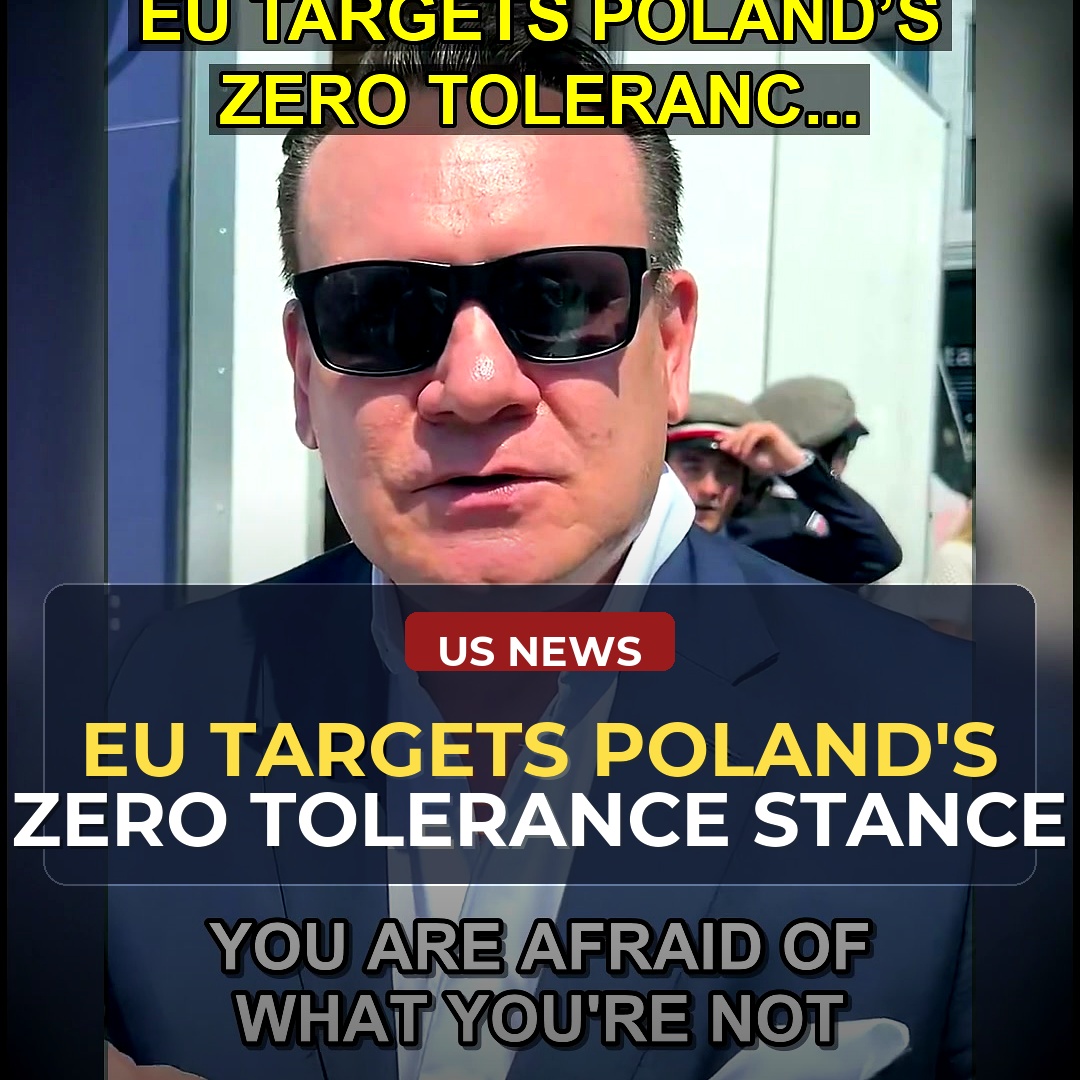
European Parliament Erupts as Polish MEP Denounces EU’s Migration Policies
Tensions Rise Over Immigration and National Sovereignty
Polish MEP Dominik Tarczyński speaking at the European Parliament, sparking controversy with his remarks on immigration
In a fiery speech that has sent shockwaves across the European Union, Polish Member of the European Parliament (MEP) Dominik Tarczyński blasted the EU’s migration policies, asserting that Poland has no interest in accepting migrants. His words, which included a personal anecdote about his fears for his daughter’s safety, have ignited a heated debate about national sovereignty, immigration, and the role of the EU in regulating these issues.
The controversy began when Tarczyński addressed the European Parliament, stating that Poland has “zero migrants” and that the country prioritizes the well-being of its own families. He further emphasized that Poland does not hesitate to take care of its own, implying a stark contrast with other EU member states that have accepted larger numbers of migrants. This bold statement has been interpreted by many as a direct challenge to the EU’s stance on migration and its efforts to distribute migrants evenly across member states.
The immediate context of Tarczyński’s remarks is crucial in understanding the depth of the controversy. The EU has been grappling with migration policies for years, seeking to balance humanitarian obligations with the concerns of its member states about national security, cultural identity, and economic stability. Tarczyński’s speech tapped into these ongoing debates, framing Poland’s approach as a model of prioritizing national interests and family safety.
The European Parliament in session, where debates on migration and national sovereignty have become increasingly heated
Supporters of Tarczyński’s view argue that his words reflect a legitimate concern for the safety and well-being of Polish citizens, particularly in the face of what they perceive as an influx of migrants that could potentially destabilize their society. They see Poland’s approach as a necessary stance against what they believe is an overly permissive EU migration policy that disregards the concerns of individual member states.
On the other hand, critics of Tarczyński accuse him of promoting xenophobia and intolerance, suggesting that his remarks are not only offensive but also undermine the principles of solidarity and cooperation that the EU is founded upon. They argue that the EU’s migration policies are designed to address a global issue that requires a collective response, and that Poland’s refusal to participate in migrant relocation schemes is a dereliction of its responsibilities as a member state.
Tarczyński’s speech became viral not just because of its controversial content but also due to its timing, coming at a point when the EU is facing numerous challenges, from internal divisions over migration to external pressures from global events. The moment has been seized upon by both supporters and critics to advance their arguments about the future of the EU and its migration policies.
A map illustrating the primary migration routes into the EU, highlighting the complexity of the issue
Broader background on the EU’s migration policies reveals a complex landscape of agreements, disputes, and challenges. The EU has sought to establish a common asylum policy and relocate migrants across member states to alleviate the burden on frontline countries such as Italy and Greece. However, these efforts have been met with resistance from several member states, including Poland, which have argued that migration policy should remain a national competence.
The public reaction to Tarczyński’s speech has been divided, reflecting the deep-seated divisions within the EU on the issue of migration. While some have praised his honesty and commitment to Polish interests, others have condemned his language as divisive and harmful. The reaction underscores the challenge the EU faces in finding a unified approach to migration that balances the need to protect external borders with the obligation to offer refuge to those fleeing war and persecution.
The institutional stakes of this controversy are high, as it touches on fundamental questions about the EU’s ability to enforce its policies and maintain cohesion among its member states. The EU’s migration policy is not just a technical issue but a highly politicized one, with implications for national sovereignty, public trust in institutions, and the overall legitimacy of the EU project.
Why this story matters to U.S. readers is multifaceted. The debate over migration and national sovereignty in the EU has parallels in the United States, where immigration policy has been a contentious issue for decades. The way the EU navigates these challenges can offer insights and lessons for policymakers in the U.S., particularly in terms of balancing national security concerns with humanitarian obligations. Furthermore, the EU’s experiences can inform U.S. debates on border control, asylum policy, and the integration of migrants into society.
A symbol of transatlantic cooperation, highlighting the shared challenges and opportunities in addressing migration
A deeper analysis of Tarczyński’s speech and the subsequent debate reveals underlying fears and anxieties about cultural identity, economic stability, and national security. These concerns are not unique to Poland or the EU but reflect global trends of increased nationalism and a pushback against globalization. The challenge for the EU, and indeed for the U.S., is to address these concerns in a way that is both responsive to public anxieties and respectful of humanitarian principles and international law.
In conclusion, the controversy sparked by Polish MEP Dominik Tarczyński’s speech on migration policies in the EU reflects deeper divisions within the bloc about national sovereignty, immigration, and the future of the European project. As the EU navigates these complex issues, the implications will not only be felt across Europe but will also have resonance in the United States, offering a mirror to similar debates and challenges. The way forward will require a delicate balance between asserting national interests and upholding the principles of cooperation and solidarity that underpin the EU.