Blood on the Tracks: The Philadelphia Train Brawl That Exposes a Broken System

When a moving train becomes a war zone, the workers caught in the middle are left with no backup and no answers.
The video hits like a punch to the gut. A Philadelphia train car, packed with commuters, suddenly erupts into a violent brawl. Teens—some reportedly as young as nine years old—are swinging, kicking, and screaming at each other as the train lurches forward. Passengers scramble. No one steps in. The conductor is trapped in their cabin, helpless.
This isn’t a movie. This is a Tuesday afternoon. And for the workers who operate these trains, it’s a nightmare they never signed up for.

The Workers Left to Face the Chaos Alone
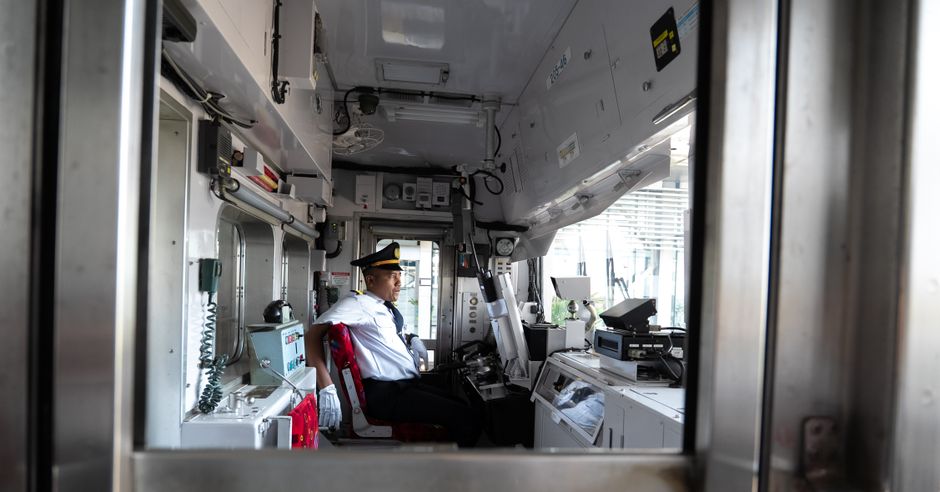
Let’s get one thing straight: the conductors, engineers, and cleaners on Philadelphia’s SEPTA system are not security guards. They are transit workers—people who clock in to drive a train, collect fares, and ensure you get home safe. They are not trained to break up a mob of children throwing punches.
Yet, when the violence erupts, they are the first line of defense. And too often, they are the last.
“We are told to call 911 and wait. But when the train is moving, there is no exit. There is no backup. It’s just you, a locked door, and the sound of bodies hitting the floor.”
This is the reality for thousands of transit workers across America. Their employer—the transit authority—has a legal and moral duty to provide a safe workplace. But what does “safe” mean when a train is a moving cage?
The Legal Black Hole for Transit Employees
Here’s where it gets ugly. If a transit worker gets injured in a brawl on a moving train, who pays? Who is responsible?
Workers’ compensation is supposed to cover on-the-job injuries. But what about the psychological trauma of watching a 9-year-old assault another child while you are powerless to stop it? What about the broken wrist from a thrown object? The PTSD from the screaming?
Many transit workers are unionized, but union contracts often have gaping holes when it comes to “third-party violence” involving juveniles. The employer’s argument? “We can’t control what passengers do.”
That excuse is wearing thin.
What Legal Protections Actually Exist?
The answer, for most workers, is shockingly little. The Occupational Safety and Health Administration (OSHA) does have a “General Duty Clause” that requires employers to address recognized hazards. But proving that a specific brawl was “foreseeable” enough to require a security guard or a panic button is a legal battle most workers cannot afford.
Then there’s the issue of wrongful termination. If a worker intervenes to stop the violence—say, by grabbing a child to prevent a serious injury—they could be fired for “unauthorized physical contact.” If they do nothing, they are criticized for being “indifferent.”
It’s a no-win scenario. And the employer sits in a clean office, miles away, counting the savings from not hiring more security.
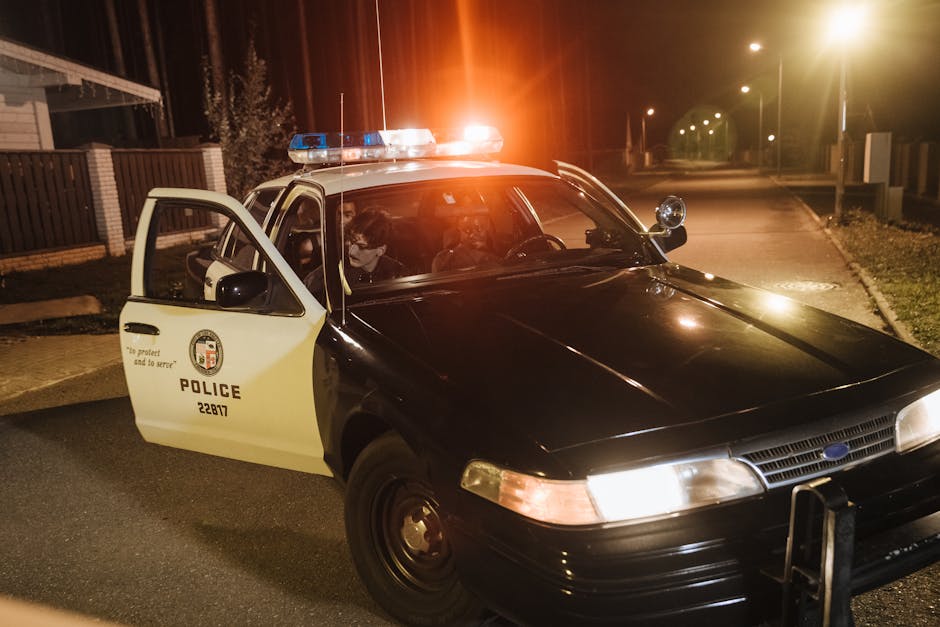
“The system is designed to protect the transit authority, not the worker. If you get hurt, you’re a liability. If you speak up, you’re a problem.” — Former SEPTA conductor, speaking on condition of anonymity.
The footage from that Philadelphia train is horrifying. But the real horror is what happens after the cameras stop rolling. The workers go home, bruised and shaken. The employer issues a statement about “investigating the incident.” And the next day, the same train rolls out, with the same lack of protection, carrying the same potential for chaos.
This is not a call for more police or more arrests. This is a question every transit worker should be asking their boss: What are you legally required to do to keep me safe? And what will you do when you fail?