Pagosa Springs Flood: House Swept Away in San Juan River
WATCH: On-scene video documentation is embedded below →
LISTEN TO THIS ARTICLE
Audio Narration • English (US)
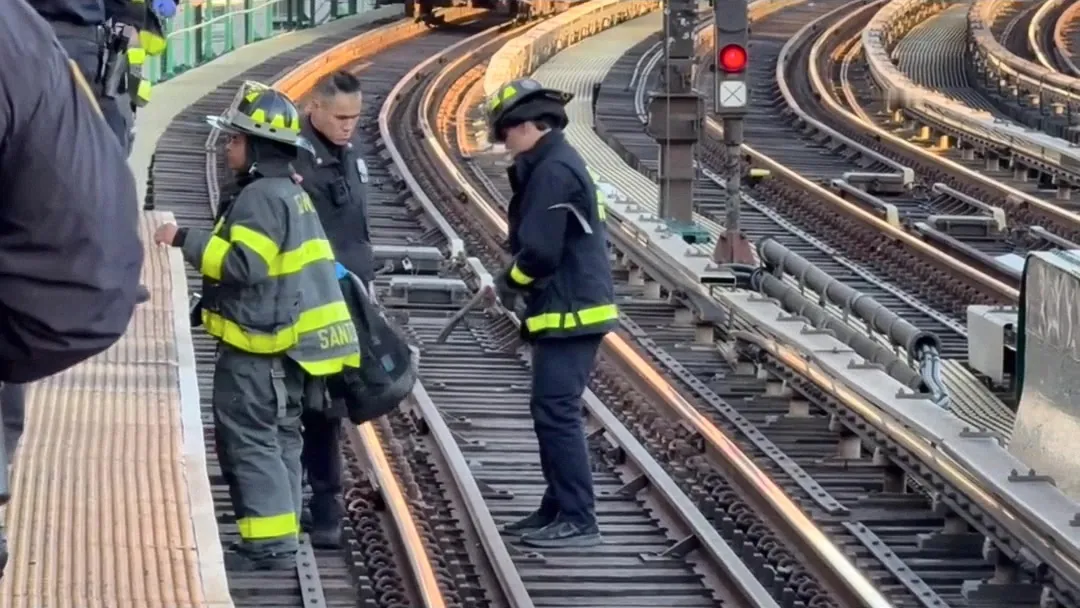
Under a bruised and heavy sky, a red cabin is torn from its foundation and dragged into the churning brown water of the San Juan River. Onlookers can only watch in stunned silence as the structure is battered against a bridge and then swallowed whole by the current. It is a scene of raw, unstoppable force that leaves a community grappling with the sheer speed of destruction.
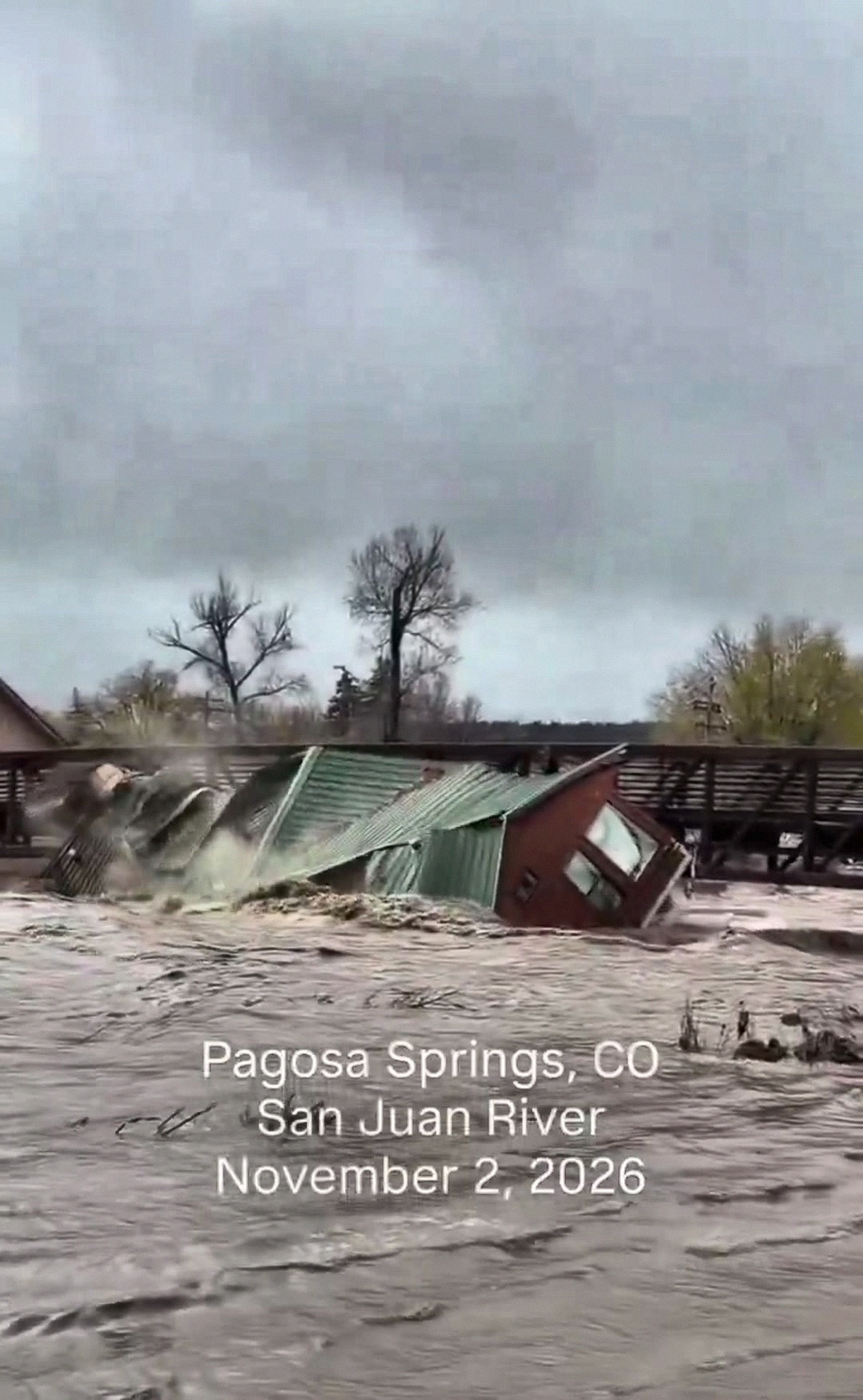
- A residential structure was swept away by the San Juan River in Pagosa Springs, Colorado, on November 2, 2026.
- The home was carried downstream and collided with a bridge before being pulled beneath the surface.
- The recording captures the immediate, helpless reaction of bystanders as the building disintegrates.
- The event is part of historic flooding that has forced evacuations and caused widespread infrastructure damage across the region.
What the Recorded Footage Captures: Chronological Breakdown
The clip opens on a grim, overcast afternoon. The river has already breached its banks, transforming into a wide, muddy torrent that consumes the landscape. In the center of the frame, a single-story red building with a green roof is already off its foundation, tilting precariously as the water pummels its sides. The audio is dominated by the roar of the flood, a constant, menacing hiss that drowns out almost everything else. Then, a voice cuts through the noise, small and disbelieving: "Oh my… Oh my god."
The structure begins to move with terrifying purpose. The current does not just push it; it lifts and drags the home toward a dark wooden bridge that spans the river in the background. The building rotates slowly, exposing its windows and siding to the full force of the water. It is a slow-motion disaster, each second stretching out as the inevitable collision draws closer. The water churns white around the edges of the structure, hungry and relentless.
Then comes the impact. The home strikes the bridge with a sickening crunch, the sound lost in the roar of the water but visible in the violent shudder that runs through the frame. The green roof buckles, and the red walls begin to shear apart. Within moments, the structure is pushed under the bridge and disappears into the frothy, brown chaos. The water closes over it, leaving only debris and the memory of a home behind.
Critical Blind Spots: What the Lens Leaves Unresolved
While the camera captures the final moments of the structure, it cannot show the frantic hours leading up to the collapse. The footage leaves us wondering about the occupants – had they evacuated in time? Were they watching from a safe distance, or were they among the stunned bystanders? The lens is fixed on the river, but the human story of displacement and loss lies just outside the frame.
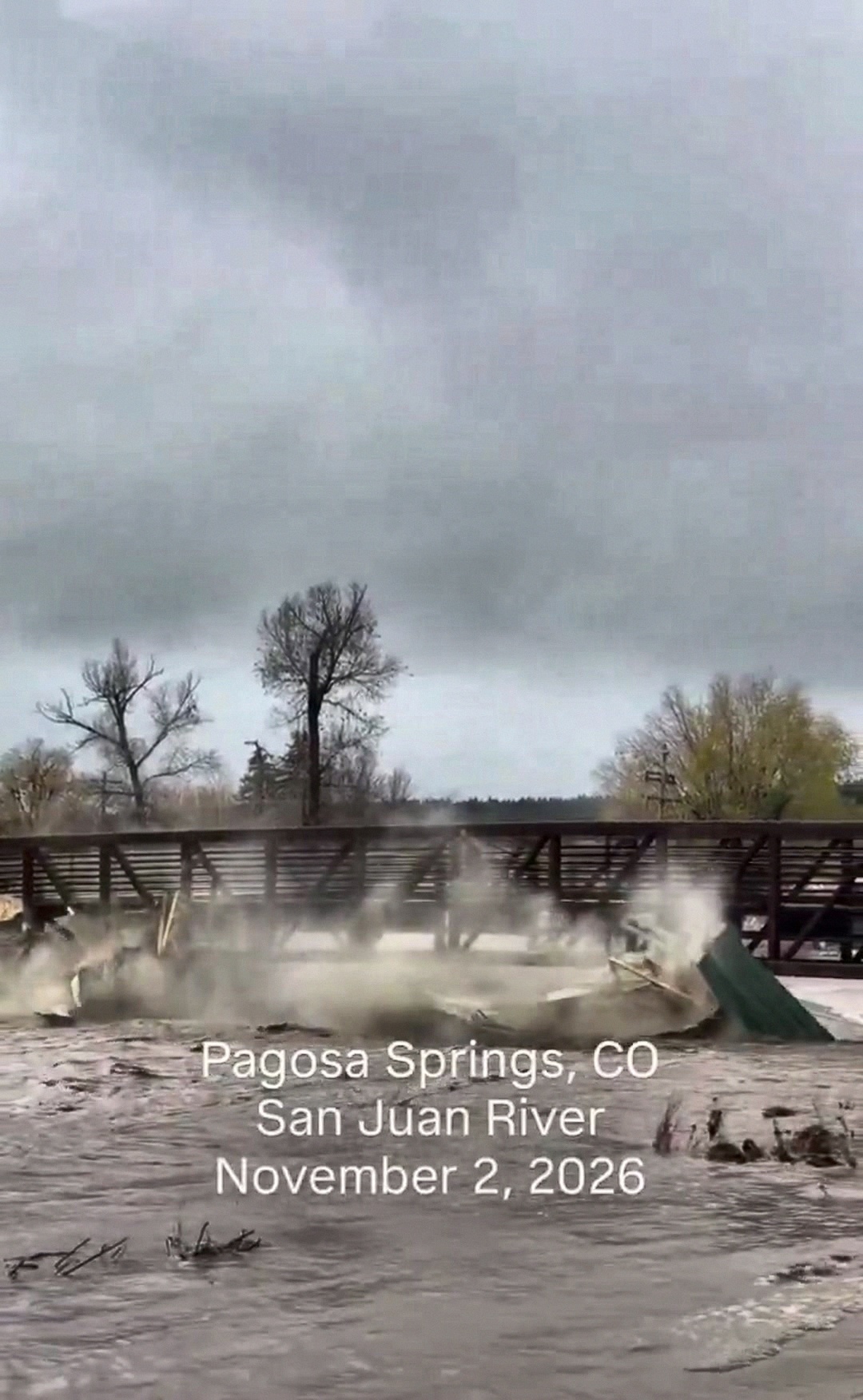
The wider context of the disaster is also only partially visible. The camera shows one building meeting its end, but it does not show the roads washed out, the bridges rendered impassable, or the neighborhoods cut off from rescue. The river is the star of this footage, but the aftermath – the muddy cleanup, the insurance battles, and the emotional toll – remains hidden. The video ends with the water flowing on, indifferent to the destruction it has just caused, leaving the viewer to imagine the scale of the damage beyond the riverbank.
Statutory Framework and Protocol Analysis
The event in Pagosa Springs is not just a local tragedy but a reminder of the power of natural forces. The San Juan River reached near-historic heights, levels not seen in a century. This kind of extreme weather event tests the limits of emergency protocols and community resilience. While the video captures the structural failure, it also highlights the importance of early warning systems and evacuation orders that likely saved lives before the water rose.
| Incident Parameter | Observation at the Scene |
|---|---|
| Location | San Juan River, Pagosa Springs, Colorado |
| Date | November 2, 2026 |
| Structure Type | Single-story red building with green roof |
| Key Event | Structure swept downstream and collided with bridge |
| Bystander Reaction | Audible shock and disbelief |
| Visible Damage | Structure submerged and disintegrated |
| Water Condition | Fast-moving, muddy, debris-filled |
Read more:
Read more: Foot Chase Near Salinas Hospital Caught on Camera →
Core Questions and Institutional Review
- How many structures were lost in this specific stretch of the river, and what is the total estimated damage?
- Were there any injuries or fatalities associated with this particular building's collapse?
- How will the community rebuild given the widespread infrastructure damage and impassable roads?
- What long-term measures will be taken to mitigate future flooding risks in this historic flood zone?
The video ends with the river continuing its relentless flow, a stark contrast to the sudden, violent end of the home. It is a moment that captures the helplessness of watching a disaster unfold and the resilience required to face the aftermath. As the waters eventually recede, the community will be left to pick up the pieces, but the images of the red cabin disappearing under the bridge will remain a haunting reminder of nature's power.
What would you do if you saw your own home being carried away by a river, knowing you could only watch?
LATEST DEVELOPING INCIDENT
An even more shocking incident just erupted hours ago that has stunned onlookers nationwide. Full investigative breakdown and on-scene evidence documented below.
BREAKING: READ NEXT SHOCKING INCIDENT – LATEST CASE ↓
Teen Subway Surfer Critical After Fall From J Train in Brooklyn
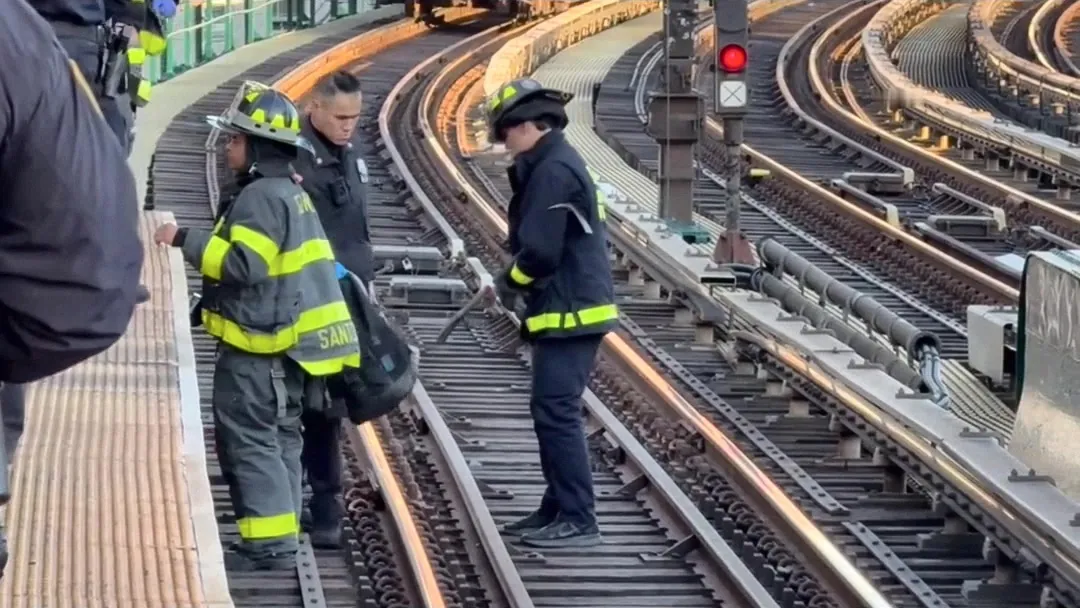
Working lights from emergency vehicles flicker against the steel and gravel of the elevated tracks in Brooklyn as first responders stand over the exact spot where a teenager plunged from the exterior of a moving train. The scene is fractured and tense, a frozen moment where curiosity turns into a grim calculation of survival beneath the cold rumble of the transit system.
- The Scene: A section of track between the Lorimer Street and Hewes Street stations in Williamsburg, Brooklyn, segmented by elevated platforms and a steady stream of rail traffic.
- The Friction: The dangerous practice of riding on the outside of train cars, known as subway surfing, resulted in a critical fall.
- The Intervention: Emergency medical personnel, firefighters, and specialized police units converged on the tracks to remove the injured teenager and begin life-saving measures.
- The Aftermath: The teen was transported to a local hospital in critical condition as scanner reports provided the grim initial update to the community.
What the Recorded Footage Captures: Chronological Breakdown
The video opens with a quiet, almost clinical view of the tracks. A group of first responders, including a firefighter in full high-visibility gear and a police officer in a dark jacket, stand on the wooden ties between the rails. The camera captures them looking down the line, their body language heavy with the weight of what has just occurred. The ambient sound is often a low hum, punctuated by the arrival of more personnel converging on the location.
The footage quickly cuts to a more frantic scene at the rear of an FDNY ambulance. The doors are open, revealing the red and white flash of medical equipment and the presence of uniformed paramedics. A man in a dark jacket stands with his back to the camera, his posture rigid as he watches the activity inside the vehicle. The tension here is palpable; it is the critical zone where the rush to save a life meets the inevitable wait for the outcome.
A stark reminder of the location appears on screen: a close-up of the black and gold Hewes Street station sign. This simple graphic anchors the chaos to a specific, mundane coordinate in the city. It is between this station and the next that the accident occurred, transforming a routine commute into a scene of emergency response.
Critical Blind Spots: What the Lens Leaves Unresolved
The camera, by necessity, only captures the immediate aftermath. It is impossible to see the sequence of events that led to the fall. The video leaves a massive void where the 10% beginning and 40% tension of the story should be. We do not see the moment the teenager climbed the train, nor the seconds of terror as the train accelerated or shifted on the tracks.
The perspective is also limited to the responders' view on the ground. We cannot see the train that the teen fell from, nor the reactions of the other passengers who may have witnessed the fall from the safety of the car. The true emotional weight of the incident is hidden behind the calm, professional demeanor of the emergency crews. Their unspoken tension is there, but the specific details of the rescue operation are obscured by the bodies of the personnel and the confines of the ambulance bay.
Statutory Framework and Protocol Analysis
Standard procedure for an incident on active train tracks requires an immediate power-down and a coordinated approach between transit authority personnel and emergency services. The presence of multiple agencies, including the FDNY and NYPD Emergency Service Units, reflects the high complexity of the rescue. The priority is always scene safety followed by rapid extrication to a trauma center.
| Incident Parameter | Observation at the Scene |
|---|---|
| Location of Incident | Between Lorimer Street and Hewes Street stations |
| Patient Condition | Reported as critical by emergency personnel |
| Rescue Personnel | FDNY, EMS, and NYPD ESU active on tracks |
| Means of Extraction | Removal from the trackbed via specialized equipment |
| Transport Destination | Hospital facility |
| Evidence of Location | Visible Hewes Street station signage |
| Scene Status | Active emergency response and investigation |
Core Questions and Institutional Review
- Did the teen act alone, or were other individuals present on the exterior of the train at the time of the fall?
- What specific safety barriers exist at the J train line to prevent access to the exterior of the cars?
- Were there any warning signs or preventative measures in place prior to the incident?
- How quickly were emergency services able to access the trackbed given the elevation of the station?
As the lights of the emergency vehicles fade from the scene, the community is left to grapple with a familiar and terrifying narrative of youth, risk, and the unforgiving reality of the subway tracks. The investigation into how a moment of thrill turned into a critical medical emergency will continue long after the train schedules resume.