The Breaking Point: One Father’s Desperate Race Through a Blockaded City Street
When the Road Home Becomes an Obstacle Course, Patience Wears Thin in the Heart of New York
- A routine drive across the city turned into a tense standstill for one commuter desperate to reach his family.
- The moment underscores a growing friction between public demonstration and the daily commute of ordinary citizens.
- Witnesses captured the raw emotion of a man who simply wanted to get home to his daughter in Brooklyn.
The asphalt jungle of New York City is a pressure cooker on the best of days. But on this particular afternoon, the lid was about to blow off. A sea of demonstrators had turned a major artery into a parking lot, and one man behind the wheel had reached his absolute limit.
His voice, raw and strained, cuts through the cacophony of honking horns and chants. “I have a daughter in Brooklyn!” he yells, the words carrying the weight of a father’s urgent need. This wasn’t a political statement. This was a man trying to fulfill the most basic of human duties: getting home safely to his child.
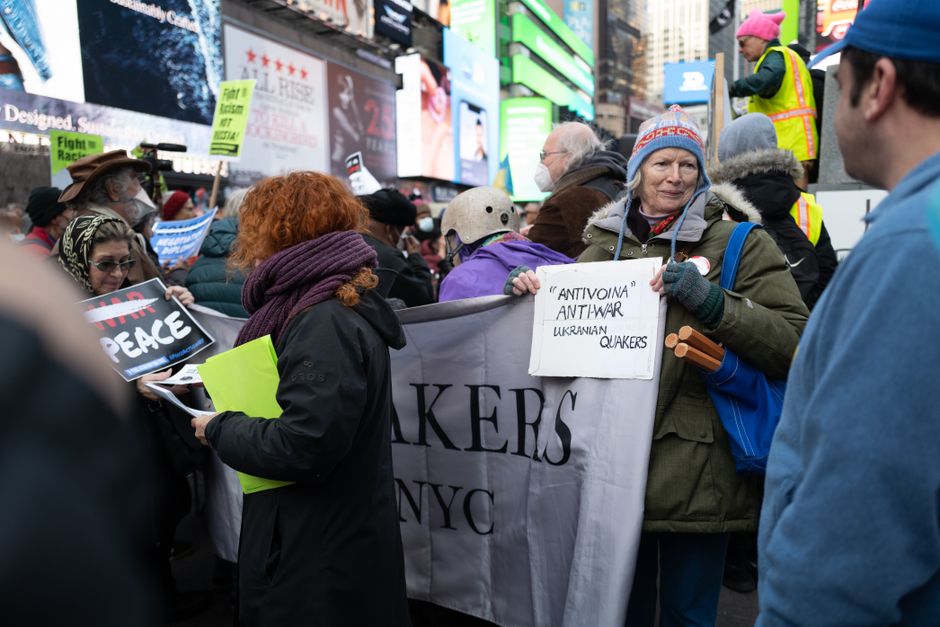
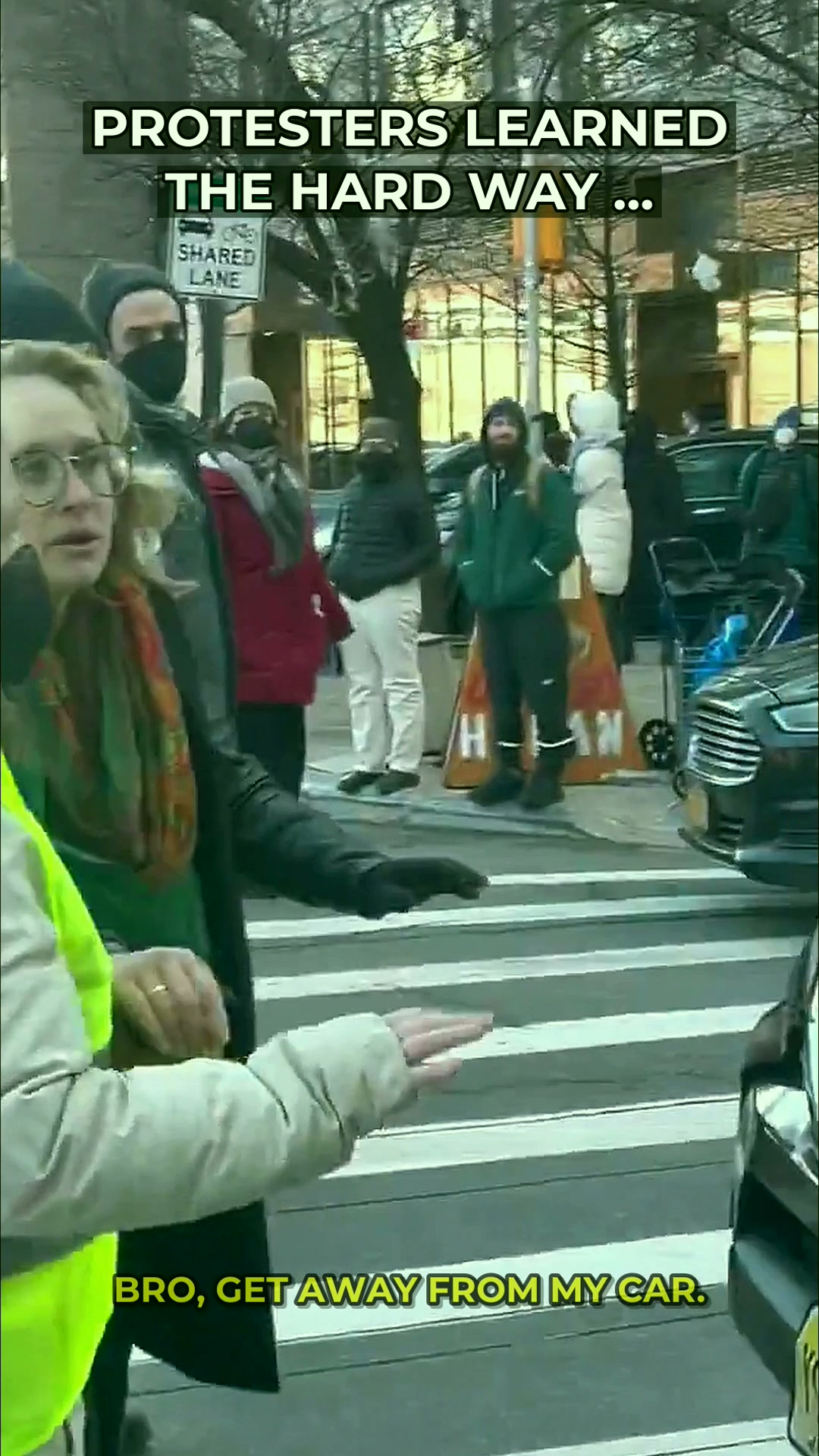
The scene is chaotic. Bodies press against his vehicle, and the tension is palpable. “Get away from my car, bro!” he shouts, the plea turning into a demand as the crowd surges. In that moment, the abstract concept of a “demonstration” collided with the concrete reality of a father’s schedule.
What happened next was the flashpoint. The driver, his patience shredded, made a choice. He stepped out of his car. The safety of his metal cage was replaced by the volatility of the street. “You are disrupting traffic, you idiots!” he thundered, his words aimed at the wall of people preventing his passage.
“I’m not gonna run y’all over. Get away from my car, bro.”
His declaration was clear: he had no intention of harming anyone. He simply wanted the path cleared. It was a moment of raw, unfiltered human frustration, captured on a phone and shared with the world. The footage shows the driver physically moving individuals aside, not with malice, but with the sheer force of a man who feels trapped and ignored.
This isn’t about geopolitics. This is about the unspoken social contract that keeps a city of eight million people functioning. The agreement is simple: you have a right to speak, but I have a right to get to my job, to my home, to my life.
The Human Cost of Gridlock
For the average New Yorker, every minute spent idling in traffic is a minute stolen from their family, their rest, or their paycheck. When a demonstration grinds the city to a halt, it isn’t just an inconvenience; it is a direct hit to the livelihood and personal life of every single person stuck in the metal maze.
The driver’s outburst resonated because it gave voice to a silent, seething frustration that many feel but rarely express. He said the quiet part out loud. He articulated the anger of the commuter who watches the clock tick past the time they were supposed to be home, knowing dinner is getting cold and their child is waiting by the door.
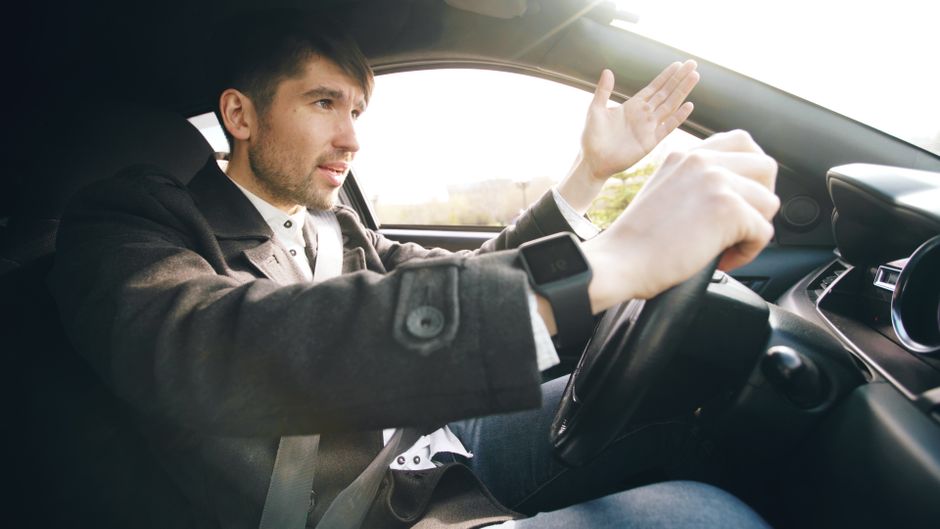
His cry, “I have to get home!” is the universal anthem of the working parent. It strips away all the complex rhetoric and leaves behind a primal need that everyone understands. It is the unedited truth of a man pushed to the edge by a situation he feels powerless to control.
The counter-chants of “Don’t touch him!” ring out, but the driver is singular in his mission. He is navigating a human obstacle course, his eyes fixed on a destination that seems impossibly far away. He represents a demographic that is often unheard: the person who just wants to live their life without being drafted into a political theater they never auditioned for.
This incident serves as a mirror to a society grappling with the limits of public space. Where does peaceful assembly end and the public’s right to free movement begin? It is a question with no easy answer, but on the hot asphalt of a New York street, it was answered with raw emotion.
Why This Moment Resonates
The clip exploded online because it captures a specific kind of powerlessness. It’s the feeling of being a spectator to your own life, stuck in a situation you didn’t create. The driver’s refusal to simply “wait it out” is what makes him a folk hero to many. He is the embodiment of “enough is enough.”
He isn’t a politician or a pundit. He is a regular guy in a car, fighting for the most American of ideals: the freedom to go about your business. His frustration is our frustration. His desire to get home is our desire. We see ourselves in his steering wheel grip and hear our own internal monologue in his shouted words.
The footage is a raw, unpolished look at how quickly a civilized society can fray when the fundamental courtesy of shared space is ignored. It raises questions about accountability and the consequences of actions that ripple far beyond the immediate area of a protest.
The car engine hums, a symbol of normal life waiting to resume. The driver’s hand gestures to the crowd, a plea for reason in an unreasonable situation. He is not arguing a point; he is begging for his life back. He is demanding the respect that comes with being an individual with a family, not just a prop in someone else’s narrative.
As the video ends, the resolution is unclear. Did he make it home? Did the crowd part? The uncertainty leaves a lingering anxiety. We are left with the image of a man fighting against the tide, a modern-day Sisyphus pushing his car through a river of people.
His final plea hangs in the air, a question that every frustrated commuter in every major city is asking: “Why can’t I just get home?”