The Moment a Routine Traffic Stop Exposed a Deeper Crisis of Trust and Authority
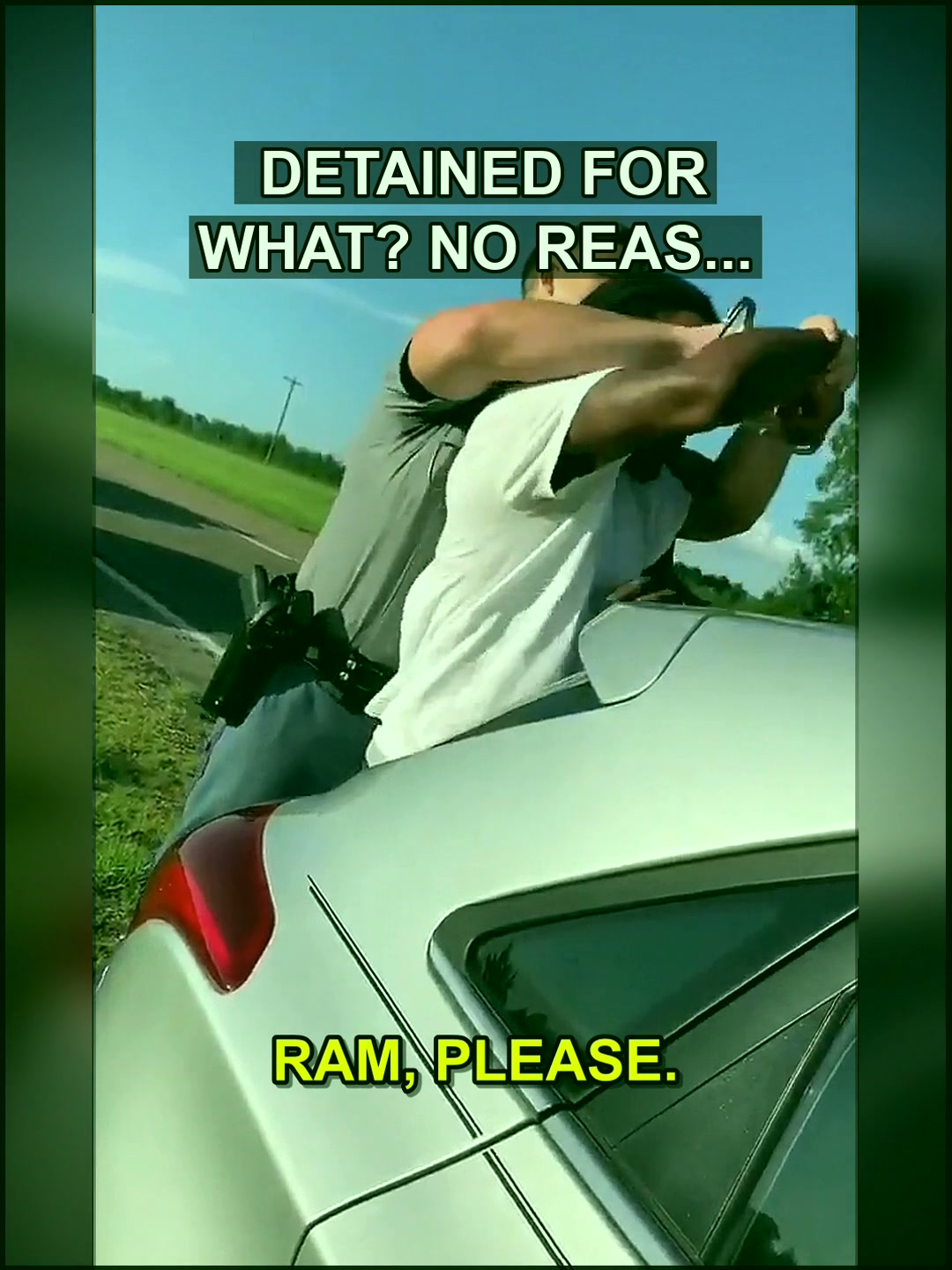
When an officer refuses to explain a stop, the silence speaks volumes—and one driver’s decision to wait for backup has ignited a firestorm over accountability and civil liberties.
- Understanding your right to know why you are being detained is the first line of defense in any interaction with law enforcement.
- Community accountability hinges on bystanders and recording devices capturing the unedited truth of public encounters.
- Legal follow-through matters: knowing the difference between a citation and an arrest can protect you from escalation.
The sun was high over a Texas highway when a driver noticed the flashing lights in his rearview mirror. No blaring siren. No immediate explanation. Just the silent, imposing signal to pull over. What followed wasn’t a simple citation—it was a tense, drawn-out standoff that raises uncomfortable questions about how authority is wielded on America’s roads.
The driver, a Black man, complied immediately. He waited. He watched the officer approach. He asked the most fundamental question any citizen has the right to ask: “Why am I being pulled over?” The response? Silence. No reason given. Just a command to step out of the vehicle.
What happens next is a masterclass in the breakdown of communication. The officer, seemingly frustrated by the lack of instant compliance, moves to handcuffs. The driver, still not hearing a valid reason for the stop, refuses to put his hands behind his back. He doesn’t run. He doesn’t fight. He asks a simple, repetitive question: “Why am I being arrested?”

The answer finally comes, almost as an afterthought: “Speeding.” But the damage is done. The officer’s failure to articulate the reason for the initial stop has transformed a mundane traffic violation into a flashpoint over due process.
“Why am I getting arrested? How? When you didn’t tell me that?”
This is not just a story about one traffic stop. It is a story about the terrifying reality that many Americans feel they are one traffic light away from a life-altering encounter. The driver’s refusal to be handcuffed over an unverified accusation isn’t just stubbornness—it’s a calculated decision to force the system to slow down. He tells the officer, “Just wait till somebody comes.” He is betting on the presence of additional authorities to de-escalate a situation that is spiraling in real-time.
The Legal Precedent: What Are Your Rights on the Road?
Legal experts point to a clear framework often misunderstood by the public. An officer must have “reasonable suspicion” to initiate a stop. Once pulled over, a driver has the right to know the basis for that stop. While the Supreme Court has ruled that officers can develop probable cause during a stop, the initial reason must exist.
In this case, the officer’s delayed explanation of “speeding” after multiple queries suggests a possible procedural failure. The driver’s insistence on waiting for a supervisor is a tactic often recommended by defense attorneys: it introduces a higher level of scrutiny to the interaction.

The Community Accountability Factor
When the video of this encounter hit the internet, the reaction was immediate. Viewers weren’t just seeing a traffic stop; they saw a microcosm of a larger national anxiety. The comments sections lit up with demands for accountability and questions about how many other stops go sideways without witnesses.
The driver’s calm but firm insistence on an explanation is a form of passive resistance that forces the issue into the open. He is not aggressive. He is not using profanity. He is simply refusing to be a passive participant in his own detention. This is the unedited truth of what happens when common sense and basic respect vanish from an interaction.
For the average citizen, the takeaway is chilling: if you don’t know your rights, you are vulnerable. If you don’t record the interaction, you have no proof. If you don’t wait for backup, you are at the mercy of a single officer’s narrative.
The Road to Justice and Community Resources
So, what does justice look like after an incident like this? It starts with the footage. It continues with the complaint filed with the department’s internal affairs division. It grows with community members demanding transparency in the disciplinary process.
For those who find themselves in a similar situation, legal aid organizations advise remaining calm, keeping hands visible, and clearly stating, “I do not consent to a search” and “I am invoking my right to remain silent.” The goal is to survive the encounter and fight the battle in the legal system, not on the pavement.
The aftermath of this specific stop remains murky. The tension is unresolved. The driver waited for backup, but the footage cuts off, leaving viewers suspended in a moment of high anxiety. The questions linger: Was the ticket eventually issued? Was the “resisting” charge dropped? Or did the system close ranks, leaving an ordinary citizen to navigate a legal labyrinth alone?
This incident serves as a potent reminder that the power dynamic on a roadside is inherently unequal. The officer holds the badge, the gun, and the immediate authority. The citizen holds only their rights and their composure. When the officer fails to explain the “why,” the citizen is left to guess at the rules of the game. And in that void of silence, fear takes root, and the potential for a tragic misunderstanding grows with every passing second.