The Day the School Pickup Line Became a Scene of Fear: A Chicago Mother’s Ordeal and the Community Left Reeling
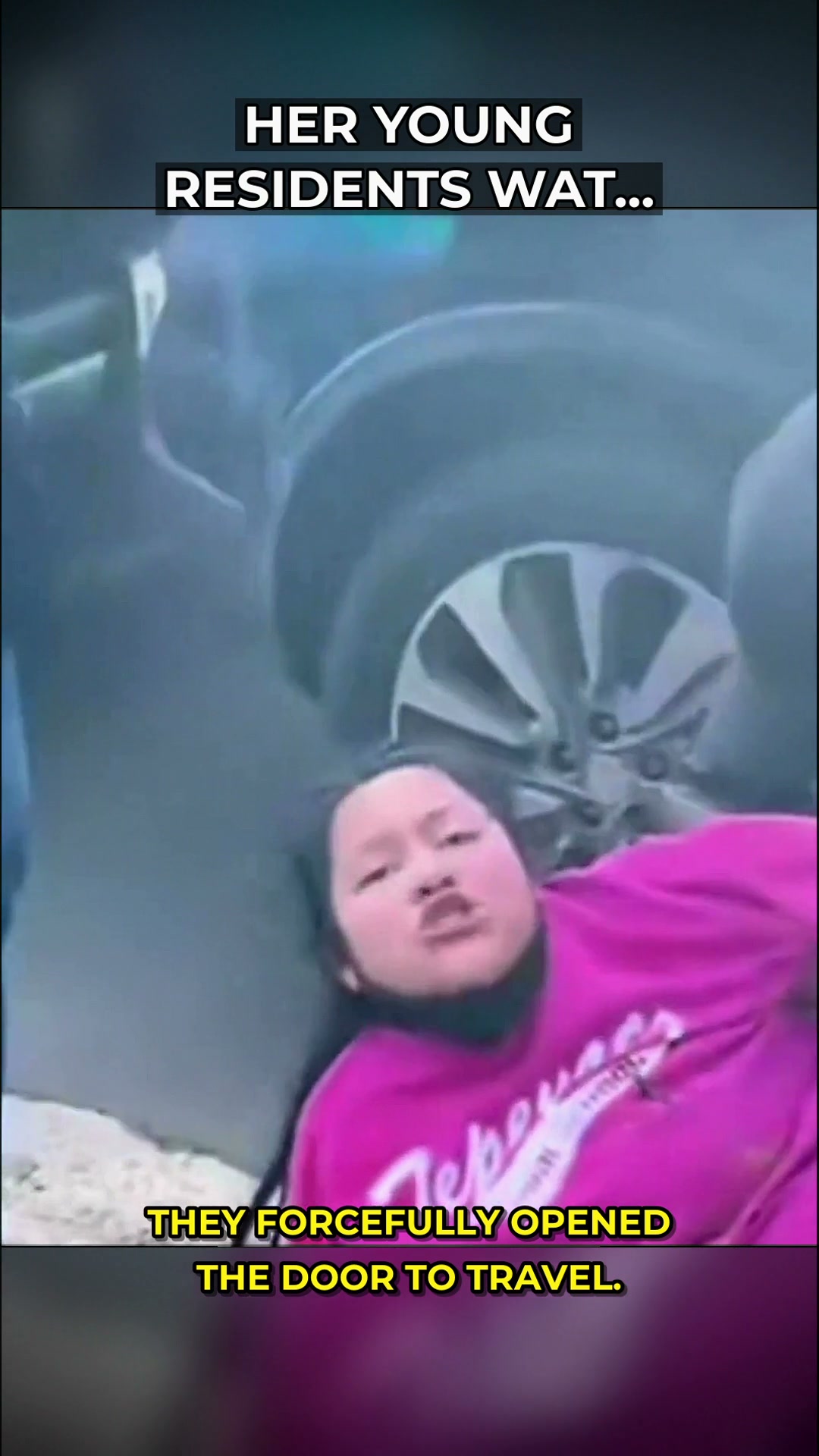
When the familiar rhythm of the afternoon school run is shattered by federal agents, the ripples of shock and anger are felt by every parent watching.
- An incident at West Loop Elementary has sparked outrage and deep concern among parents about the safety of school zones.
- Witnesses report that a vehicle was forcibly entered without a presented warrant, raising serious questions about procedure and accountability.
- The emotional impact on the children and families present is profound, with many now questioning the security of their daily routines.
The afternoon sun was warm over West Loop Elementary. The air was filled with the usual chaos of pick-up time: the chatter of kids, the hum of idling SUVs, the impatient tapping of steering wheels. It is a sacred, mundane ritual for thousands of Chicago families. But on this particular day, that routine shattered in a matter of seconds, leaving a community gasping for air.
What was supposed to be a simple drive to collect her children turned into a nightmare for one Cicero mother. Witnesses describe a scene of sudden, terrifying confusion as federal agents swarmed a vehicle in the designated pick-up line. The target? A woman who was simply waiting, like every other parent, to bring her kids home.
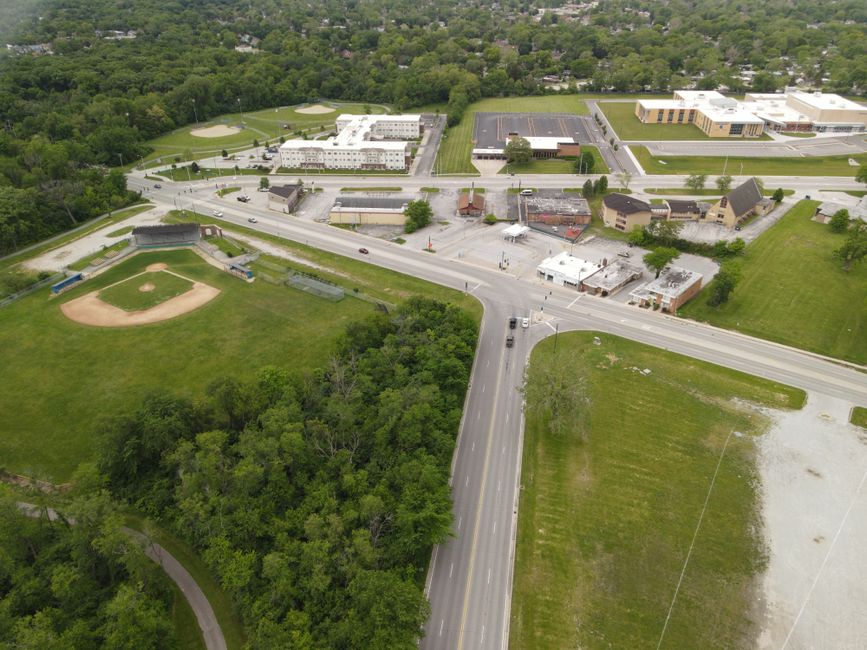
The video footage is raw, shaky, and gut-wrenching. You can hear the panic in the bystanders’ voices. “Wait, you guys came to the school to do this?” a woman asks, her voice cracking with disbelief. The question hangs in the air, unanswered. The focus is singular, intense, and terrifying for everyone watching.
One mother, Jocelyn, became the voice of the crowd’s growing horror. She shouted the question that was on everyone’s mind: “Do you have a warrant?” The response from the agents? Silence. No paper was raised. No explanation was offered. Just the chilling sound of a car door being forced open. “It was locked,” Jocelyn exclaims, her voice trembling. “It was locked.”
“They didn’t ask for a warrant. They forcefully opened the door to travel. It was locked.”
This wasn’t a raid on a hideout. This wasn’t a high-stakes chase. This was an elementary school parking lot, surrounded by children and the parents who trust the system to keep them safe. The raw display of force, executed without a visible legal document, sent a shockwave through the crowd. It was a moment that redefined the concept of safety for everyone present.

The Human Cost of a Policy Shift
To the onlookers, this wasn’t a political debate happening on a screen far away. This was their neighbor, their child’s classmate’s mom, being pulled from a car. The fear was visceral, immediate, and deeply personal. When one woman was instructed to step back, the defiance was palpable. “Don’t get any closer to me, right?” she said, drawing a line in the sand not out of aggression, but out of sheer protective instinct. They weren’t just watching a detention; they were witnessing a violation of the unspoken contract that protects the innocence of the schoolyard.
The incident has ignited a firestorm of anger that goes beyond party lines. It taps into a fundamental American anxiety: the feeling of powerlessness against an unaccountable force. The fact that this occurred in a “protected” space, a school, has amplified the sense of violation. It forces every parent to ask a terrifying question: If it can happen here, in the carpool lane, in broad daylight, where is the line?
The Legal Precedent and the Question of Authority
While the full details of the operation remain under review, the legal questions are immediate and complex. The Fourth Amendment protects citizens from unreasonable searches and seizures. While immigration enforcement operates under a different set of federal guidelines, the public perception of what is “reasonable” is heavily influenced by context. Performing an apprehension in a school zone, without immediately presenting a judicial warrant, is a public relations and legal powder keg.
The agents involved may have believed they were acting within their jurisdiction, but the optics were catastrophic. The community is not just looking for an explanation; they are looking for accountability. The emotional scars left on the children who witnessed this are perhaps the most significant, and lasting, consequence. They learned a lesson no child should have to learn: that the world outside the classroom can be a frightening and unpredictable place.

Resilience in the Face of Uncertainty
Yet, even in this dark cloud, the human spirit flickered. The crowd did not disperse in silent fear. They coalesced. They filmed. They shouted questions. They demanded to be witnesses. This was a community refusing to look away, a collective stand against an act they viewed as unjust. The solidarity among the parents, many of whom were strangers to each other just minutes before, was a powerful counter-narrative to the aggression they were witnessing.
They were not just protecting one woman; they were protecting the idea of their neighborhood. In that moment, the pick-up line transformed from a line of cars into a line of defense. They used their phones not as weapons, but as shields of transparency, ensuring that the incident could not be swept under the rug. This is the story of a community waking up to a new reality, banding together in confusion and anger, and demanding answers.
The car is gone now. The agents have moved on to their next assignment. But the residue of fear lingers in the air of West Loop. The parents who return tomorrow will glance nervously at their rearview mirrors. The children will ask questions that are hard to answer. The normalcy of the school run has been stolen, and the silence from those who authorized this action is deafening. The only certainty is that for the families in that line, the world feels like a much smaller and more dangerous place than it did the day before.