The True Cost of Unchecked Authority: What the West Yorkshire Case Reveals About Accountability
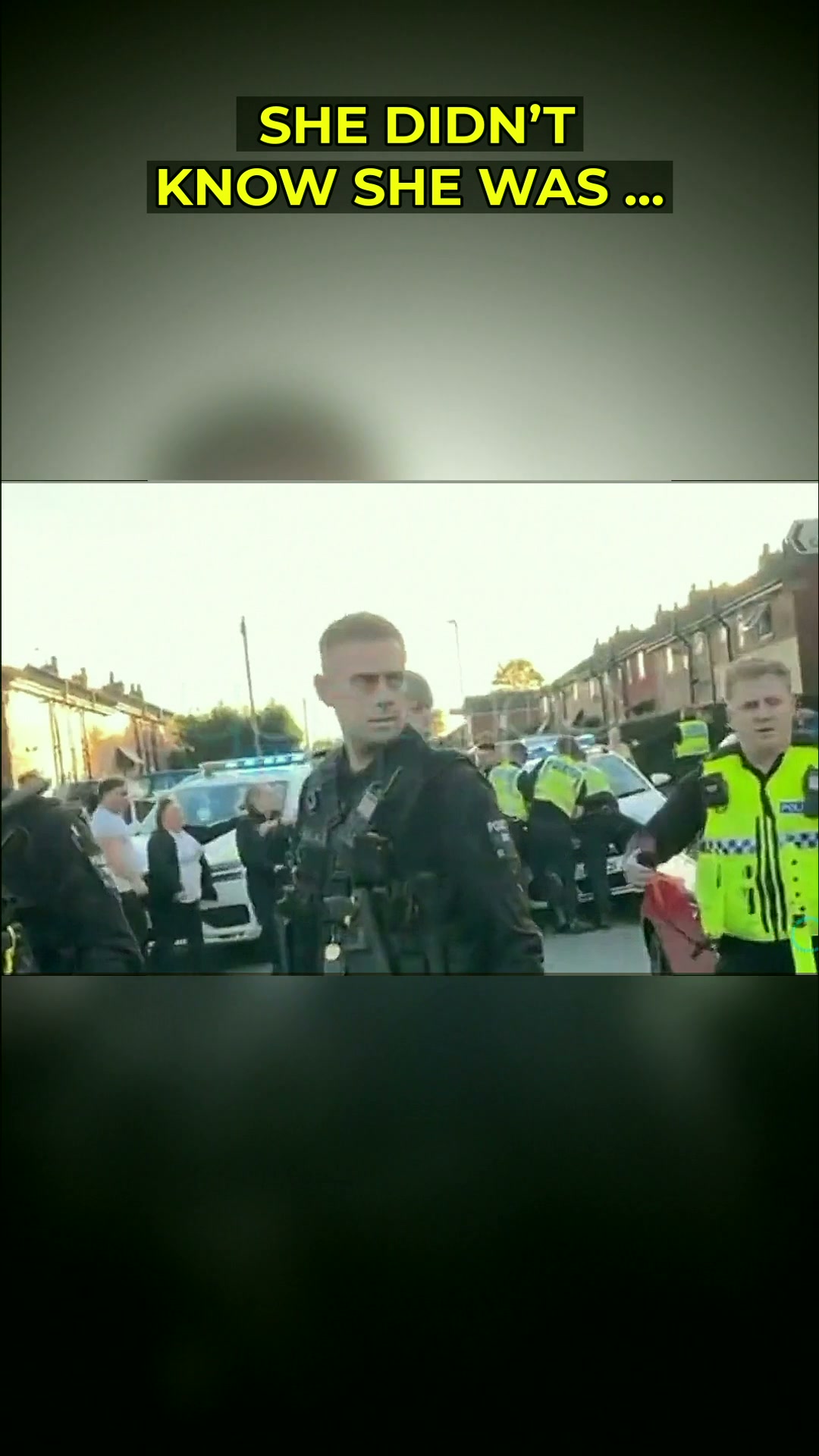
When public servants face no consequences, the fallout lands on everyone else
- A West Yorkshire officer previously involved in a controversial arrest of an autistic girl has been linked to a new public incident in Leeds
- The case raises urgent questions about what oversight mechanisms exist when authority figures face no visible consequences
- Workers and families across the country are watching how institutions handle accountability failures
Imagine being a parent who trusts the system to protect your child, only to watch that same system turn on them. That is the reality one family in West Yorkshire has been living with since an officer detained their autistic daughter over a comment that should never have escalated beyond a classroom conversation.
Now, that same officer is back in the headlines. This time, the scene unfolded in Leeds, where witnesses describe a mental health crisis that ended with members of the public being pepper-sprayed. The details are disturbing. The pattern is worse.

The Incident That Started It All
The original case involved an autistic girl who made a comment that was misinterpreted and escalated into a full detention. No weapon. No danger to the public. Just a child who did not understand why she was being treated like a criminal.
For her family, the damage was immediate. For the officer involved, there appeared to be no visible consequences. That is the part that infuriates people. When accountability disappears, trust erodes.
“Have you seen what she’s just done to her, mate?”
That question, captured in the aftermath of the Leeds incident, says everything. Bystanders were left shocked, confused, and asking a simple question: how does someone with this kind of track record still hold a position of authority?
What This Means for Workers Everywhere
This is not just a story about one officer or one city. It is a story about what happens when institutions fail to hold their own accountable. And it is a warning sign for every worker who has ever been told to stay quiet about misconduct they witnessed on the job.
Employment law exists to protect people from retaliation, discrimination, and unsafe conditions. But those laws are only as strong as the willingness of institutions to enforce them. When leadership looks the other way, the message is clear: the rules do not apply to everyone equally.

The autistic girl from West Yorkshire did not get to choose her circumstances. Neither did the people in Leeds who found themselves in harm’s way during a mental health episode that should have been handled with care, not force.
“What you doing, eh? You’re not muppin!”
Those words, shouted in confusion and distress, capture the chaos of a situation that never should have reached this point. The public deserves answers. The families involved deserve justice.
The Legal Precedent
In the United States, cases like this have led to landmark rulings on qualified immunity and the limits of authority. Courts have repeatedly examined where the line falls between reasonable action and overreach. The outcomes vary, but the pattern is consistent: when oversight is weak, abuse of power thrives.
Workers who witness misconduct in their own workplaces face a similar dilemma. Report it and risk retaliation. Stay silent and become complicit. The law offers protections, but navigating them requires courage and resources that many people simply do not have.

The officer in West Yorkshire has not been publicly disciplined in a way that satisfies the families affected. The incident in Leeds has only deepened the sense that accountability is a privilege reserved for some, not all.
Meanwhile, the autistic girl and her family are left to pick up the pieces. The people in Leeds are left to process what they witnessed. And the rest of us are left to wonder who will be next.
Because if this can happen there, it can happen anywhere. And the systems designed to prevent it are clearly not working.