Justice at 30,000 Feet: What Happens After an Inflight Meltdown Exposes the Ugly Side of Entitlement
A self-proclaimed celebrity coach, a banned bathroom habit, and a demand for an apology that reveals everything wrong with accountability in America today
- Federal law prohibits smoking in aircraft bathrooms, and violations carry serious civil penalties
- Flight attendants are protected under federal aviation regulations from interference and intimidation
- Victims of inflight incidents have legal recourse, but the process is often slow and frustrating
- Social media followers do not grant legal immunity, despite what some passengers seem to believe
Imagine stepping off a flight, exhausted and ready to get home, only to find yourself pulled into a dispute that never should have happened. That is the reality for flight attendants across America who deal with entitled passengers daily.
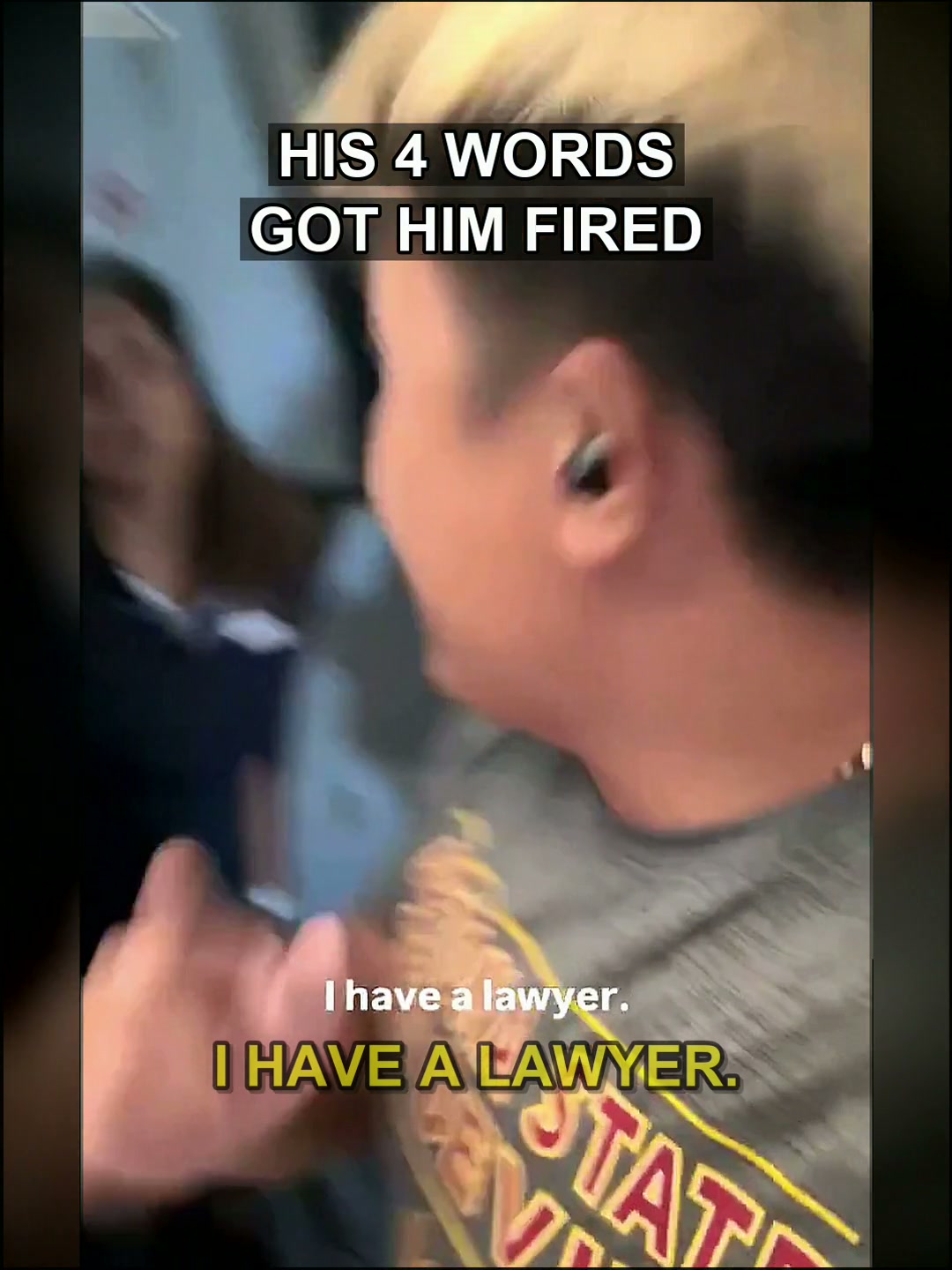
A man identifying himself as a celebrity pickleball coach was recently captured on video in a tense exchange with a female flight attendant. The incident reportedly began when she caught him smoking in the aircraft bathroom, a direct violation of federal law.
Instead of accepting responsibility, he demanded an apology. He claimed she put her hands on him. He threatened to post the footage to his twenty-five thousand followers. And he repeatedly announced that he is a lawyer.
The Entitlement Playbook: When Followers Become a Weapon
The threat was clear. Twenty-five thousand followers. As if a social media count somehow transforms a lawful intervention into an actionable offense. As if internet clout carries weight in a federal courtroom.
This is the new playbook for people who believe rules do not apply to them. When caught, flip the script. Become the victim. Weaponize an audience that was never in the room.
“I have 25,000 followers.”
That was the closing argument. Not a denial of the smoking. Not an explanation. A follower count, delivered like a legal citation.
The flight attendant, meanwhile, was simply doing her job. Federal aviation regulations require crew members to enforce safety rules, including the prohibition on smoking in lavatories. She did not sign up to be filmed, accused, and publicly shamed for performing a mandatory duty.
The Legal Precedent: What Happens When Passengers Push Back
This is not the first time a passenger has tried to turn the tables on a flight attendant. Courts have consistently ruled that crew members have the authority, and the obligation, to enforce safety regulations. Passengers who resist, intimidate, or make false accusations face real legal exposure.
Victim rights advocates point out that flight attendants are among the most vulnerable workers in the transportation sector. They are confined in a metal tube at thirty thousand feet with no ability to walk away from a hostile situation. When someone threatens their livelihood with a viral video, the impact is not just emotional. It is economic.
The legal process for incidents like this typically involves reports to the airline, the Federal Aviation Administration, and potentially local authorities at the arrival airport. Victims can pursue civil remedies, and in some cases, criminal charges may apply.
But here is the uncomfortable truth. Most incidents never make it that far. The paperwork is filed. The complaint is logged. And then life moves on, leaving the flight attendant to wonder if anything will ever come of it.
“You’re not allowed to do that.”
Simple words. A simple rule. And yet, the response was not compliance. It was escalation.
What Justice Actually Looks Like for Victims of Inflight Incidents
For the flight attendant in this incident, justice may come in the form of an FAA investigation. It may come through her airline’s internal reporting system. It may come through a civil claim if she chooses to pursue one.
But justice for workers in these situations is rarely swift. It is a grind. It requires documentation, patience, and the willingness to relive a stressful moment repeatedly.
Community accountability matters here. When passengers witness an incident like this, their willingness to provide statements and cooperate with investigations can make the difference between a closed file and a real consequence.
Resources exist for victims. The Association of Flight Attendants and similar organizations provide support, legal guidance, and advocacy for crew members facing harassment or false accusations. The FAA has a whistleblower and complaint process. The Department of Transportation tracks passenger misconduct data.
But none of that erases the moment. The moment when someone decided that twenty-five thousand followers mattered more than a federal safety rule. The moment when a woman doing her job was accused, recorded, and threatened.
That moment does not disappear because a report gets filed. It lingers. And it serves as a warning to every passenger who thinks the rules are optional.
The next time you board a flight, remember this. The person checking your seatbelt is not your adversary. They are the reason you land safely. And if you break the rules, no follower count will save you.
But whether accountability actually follows? That depends on a system that moves slowly, if it moves at all. And for the flight attendant in this incident, that reality is already settling in.