The Hidden Financial Trap of Private Property Towing: Legal Loopholes, Consumer Rights, and the Liability Nobody Warns You About

A routine parking dispute over a private property tow is exposing how quickly ordinary Americans can lose hundreds of dollars, face aggressive collection tactics, and discover their legal options were buried in fine print they never saw.
Imagine pulling into a spot you have parked in a hundred times, running inside for five minutes, and walking back out to find a tow truck already lifting your front wheels off the pavement. That is the moment the money starts bleeding. Not the hundreds for the tow itself. The daily storage fees. The administrative charges. The lien paperwork. The collection calls that follow you for months.
This is not a hypothetical. Across the country, private property towing has become one of the most profitable and least regulated revenue streams in the consumer economy. And the people caught in it are almost never the ones who wrote the rules.
When a property owner and a tow operator clash over whether a vehicle should have been removed at all, the real fight is rarely about the car. It is about who absorbs the financial damage when the paperwork is sloppy, the signage is missing, or the authorization was never properly documented.

Civil Liability and Business Codes: Where Private Enforcement Meets State Consumer Protection
Most Americans assume that if a tow truck shows up on private property, the removal must be legal. That assumption costs them thousands every year.
State civil codes typically require specific conditions before a vehicle can be removed from private property. Clear signage at every entrance. Written authorization from the property owner or their agent. Often, a grace period before the hook can legally touch the vehicle.
When any of those elements is missing, the tow becomes a civil liability issue. The operator is no longer enforcing a parking rule. They are potentially committing an unlawful conversion of property, and in some states, that opens the door to statutory damages that can exceed the value of the vehicle itself.
The financial exposure runs both directions. Property owners who authorize removals without following their own posted rules can be pulled into the same legal action. And the tow operator, who may have been acting on a verbal green light from a leasing office employee, suddenly finds themselves holding the liability alone.
- Was written authorization from the property owner on file before the hook dropped, or was it a verbal arrangement that holds no legal weight?
- Did the signage at the property meet the specific font size, placement, and language requirements of the state’s towing statute?
- If the removal was unlawful, who absorbs the storage fees, the administrative charges, and the potential statutory damages?
These are not legal technicalities. They are the exact questions that determine whether a driver pays out of pocket or recovers damages. And they are almost never explained to the person standing on the curb watching their car disappear.
“By the time you find out the tow was illegal, you have already paid the release fee because you needed your car for work. That is the business model.”
The clock is the weapon. Storage fees accrue daily. Release offices operate limited hours. And every day the vehicle sits, the driver’s bargaining position weakens. Most people pay. Not because the tow was legal. Because fighting it costs more time than they have.

Consumer Protection and Financial Fallout: Debt Recovery, Credit Reporting, and the Paper Trail
Here is the part that keeps consumer attorneys busy. When a driver refuses to pay what they believe is an unlawful tow, the file often gets sold to a debt collection agency.
That is when the real damage begins. Negative marks on a credit report. Aggressive collection calls. And in some cases, a lien filed against the vehicle that can lead to a forced sale, sometimes for more than the original debt.
Similar civil disputes over private property enforcement and consumer billing practices are forcing local officials and business owners to confront serious liability under state regulations. Explore the full legal breakdown of related incidents →
Federal law gives consumers specific rights when dealing with debt collectors. The Fair Debt Collection Practices Act prohibits harassment, false statements, and misleading claims about what a consumer owes. But those protections only matter if the consumer knows to invoke them.
What most people never learn is that a towing company selling an alleged debt to a collector does not automatically make that debt valid. The collector still has to prove the underlying charge was lawful. In many cases, they cannot.
The paper trail is everything. Timestamped photos of the signage. The name of the person who authorized the tow. The exact time the hook touched the vehicle. Receipts for every dollar paid. Without that documentation, a consumer is arguing from memory against a company with a file.
Insurance rarely helps. Standard auto policies do not cover towing charges incurred from private property removal unless the driver carries specific roadside assistance coverage. And even then, reimbursement often requires the driver to prove the tow was unauthorized, which puts them right back into the legal fight they were trying to avoid.
Legal Accountability and the Burden of Proof: What Precedent Does This Set for Property Owners?
Property owners are not immune. When a landlord or business authorizes removals without maintaining compliant signage or documented procedures, they expose themselves to the same civil claims as the tow operator.
Courts have consistently held that the party authorizing the removal shares responsibility for its legality. A verbal nod to a tow driver is not a legal defense. Neither is a sign that was installed after the fact or that fails to meet state-mandated specifications.
The precedent being set in these disputes is uncomfortable for everyone involved. Towing companies are being forced to document their authorizations. Property owners are being forced to audit their signage. And consumers, slowly, are learning that the receipt in their pocket is not the end of the story.
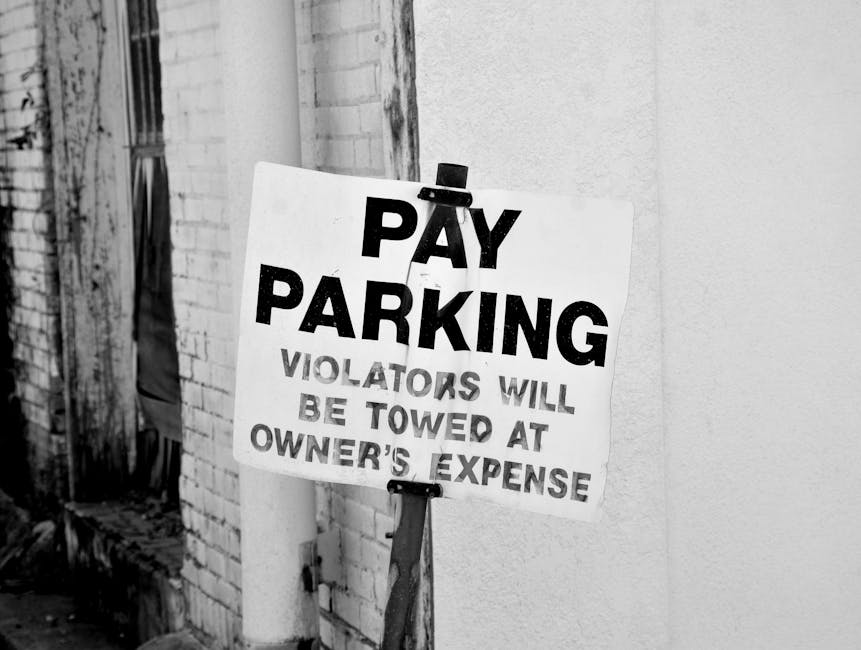
What remains unresolved is how many of these removals happen every day without anyone pushing back. The drivers who pay the release fee and move on. The ones who never file the claim. The ones who do not know a statute exists that could have put money back in their pocket.
That silence is the most valuable asset the industry has. And it is not protected by any law.