New Military Escalation Between Israel and Iran Raises Alarms Over Stability of Global Oil Supply and Strait of Hormuz
Global Energy Markets on Edge as Regional Tensions Escalate in the Middle East
The reported destruction of critical refinery infrastructure has triggered a new wave of threats, raising fears of a disruption to the world’s most vital maritime oil chokepoint.
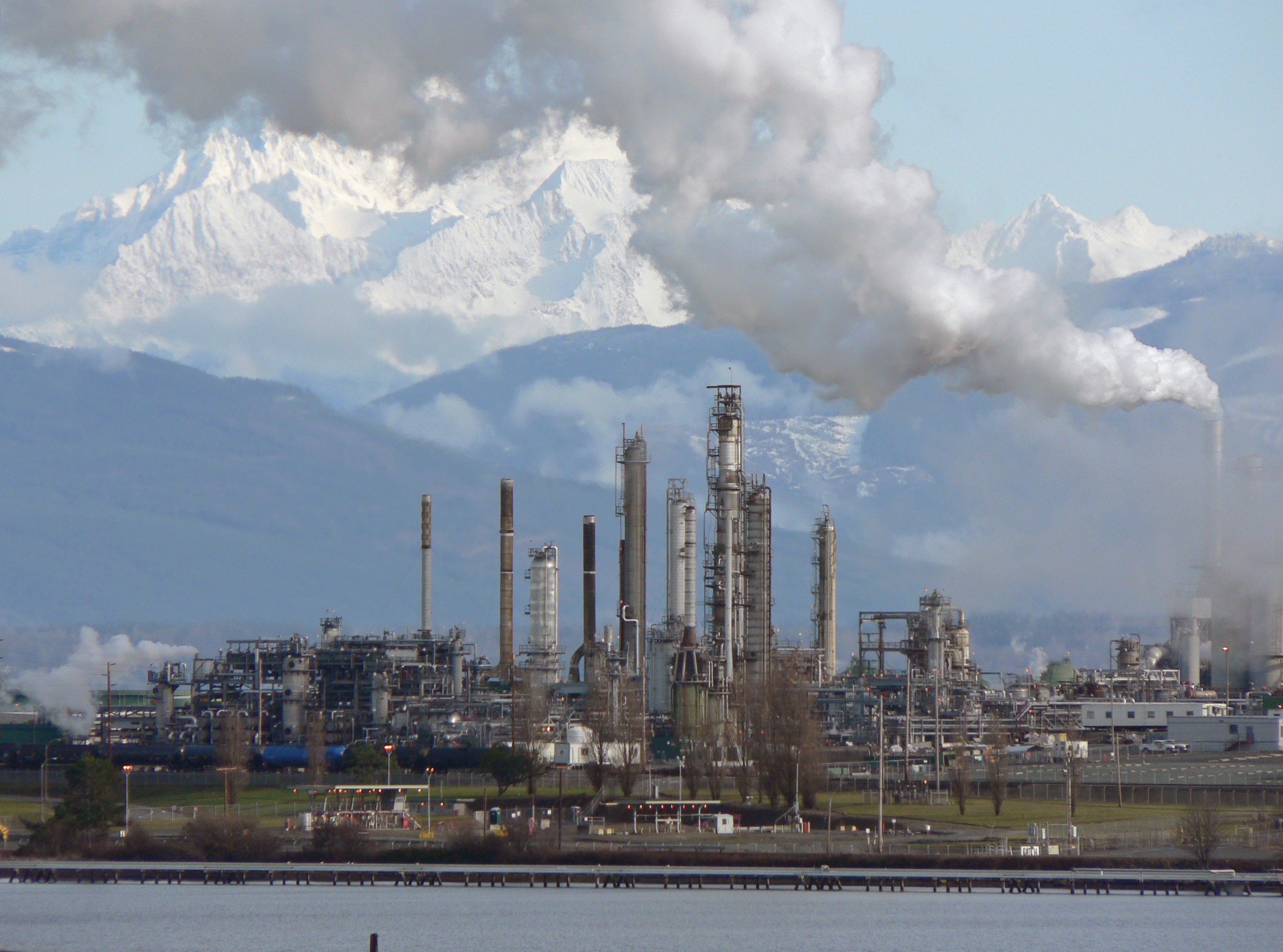
The delicate equilibrium of the global energy market faced a significant tremor this week as reports confirmed that Israeli forces targeted and destroyed key oil refinery assets linked to Iranian interests. The strikes, which follow a period of increasingly volatile skirmishes, have transformed a regional shadow conflict into a direct threat to the flow of crude oil across the globe.
As the smoke clears over the damaged facilities, the geopolitical fallout is moving faster than the markets can price in. Iranian leadership has responded with swift, bellicose rhetoric, characterizing the strike as a “fatal mistake” and signaling that their tolerance for indirect confrontation has reached its limit.
For the average American household, the stakes of these distant explosions are measured in the price at the pump and the stability of the domestic economy. When energy infrastructure in the Middle East is compromised, the shockwaves are felt almost immediately in U.S. markets, threatening to reverse recent trends in inflation and energy costs.
The most alarming element of Tehran’s response is the renewed threat to close the Strait of Hormuz. Through this narrow waterway passes roughly one-fifth of the world’s total oil consumption, making it arguably the most critical maritime chokepoint for global energy security.

Historically, the United States has maintained a massive naval presence in the region specifically to ensure that the Strait remains open and that global commerce continues uninterrupted. Any attempt by Iran to block this passage would force an immediate, high-stakes recalculation of U.S. foreign policy and military posture in the region.
Supporters of the strikes argue that Israel is acting in necessary self-defense, seeking to dismantle the economic engines that fund militant proxies across the Middle East. From this perspective, the destruction of Iranian refinery capabilities is a strategic move to curtail Tehran’s regional influence and prevent further escalation through proxies.
Conversely, critics and international analysts warn that such tactical victories may lead to a broader strategic catastrophe. They argue that by pushing a regional power into a corner, the risk of a full-scale, uncontrollable conflict increases, potentially dragging the United States into a direct confrontation that carries profound economic and human costs.
The uncertainty is further compounded by reports emerging from the ground, including accounts of casualties and the loss of specialized equipment. While the fog of war makes it difficult to verify every detail, the human toll and the destruction of assets underscore the intensity of this latest phase of hostility.

For Americans managing family budgets and planning for the months ahead, the unpredictability of Middle Eastern policy is a source of profound unease. Policy decisions made in government offices in Jerusalem or Tehran are currently dictating the future of household energy bills and the reliability of global supply chains.
Public trust in the international order is often tested during these moments of crisis. When major powers engage in direct attacks on industrial infrastructure, the question for many citizens becomes one of accountability and foresight. There is a growing concern that the current cycle of retaliation is moving toward a tipping point that no one—not the regional players, nor the international community—can easily reverse.
Energy analysts are already cautioning that if the Strait of Hormuz is even partially restricted, the global market will see immediate price spikes. Because the U.S. economy remains deeply integrated with global energy prices, any sustained disruption creates a ripple effect that touches everything from transportation costs to the price of consumer goods on local store shelves.
The diplomatic challenge facing Washington is significant. The administration must balance its commitment to a primary regional ally with the necessity of keeping the global economy from spiraling into a crisis that would hit American taxpayers the hardest.

Moving forward, the focus will likely remain on whether Iran chooses to translate its threats into tangible action. History shows that in the high-stakes theater of Middle Eastern geopolitics, rhetoric is often a precursor to shifts in military positioning, meaning the next few weeks will be critical for regional stability.
As this situation unfolds, the core issue remains the vulnerability of a globalized system to localized, high-impact violence. While the conflict may seem thousands of miles away, the infrastructure being targeted today is the very same infrastructure that keeps the lights on and cars moving in communities across the United States.
The ultimate resolution to this escalation remains elusive, but the message from the markets is clear: the era of relative energy stability is being severely tested. For ordinary citizens, this serves as a stark reminder of how interconnected our lives are with the shifting sands of foreign policy and the fragile, essential networks that power our modern world.