Double Jury Deadlock Ends Prosecution for Two Men Accused of Assaulting Police at Manchester Airport, Leaving Questions Over Evidence Unanswered
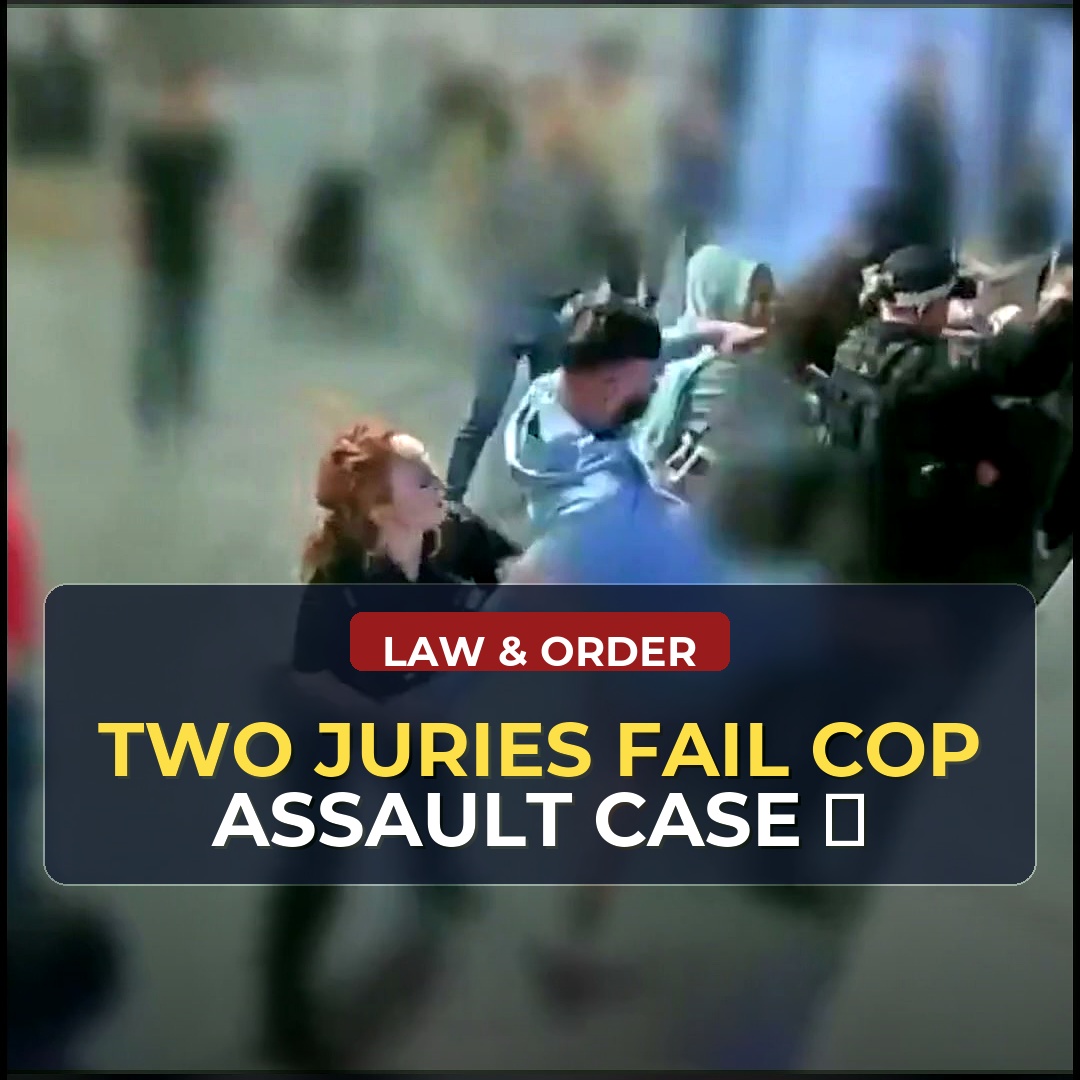
Two Men Cleared in Manchester Airport Police Assault Case After Two Juries Deadlock
Prosecutors decline to seek a third trial, leaving charges dropped and the summer’s most explosive policing controversy without a final legal answer.

A criminal case that gripped Britain for more than a year has ended without a conviction. Mohammed Fahir Amaaz and Muhammad Amaad have been cleared of charges connected to the alleged assault of a male police officer at Manchester Airport, after two separate juries failed to reach a verdict.
The decision not to pursue a third trial closes a legal chapter that began with a chaotic summer night at one of the UK’s busiest travel hubs. But for many watching the case closely, the ending feels less like resolution and more like an open wound.
The charges stemmed from a confrontation at Terminal 2 in July 2024, when police officers responded to reports of a disturbance. By the time the incident was over, three officers were injured, one of them seriously, and the two defendants were under arrest. The core question at trial was simple: who escalated the violence, and why?
That question was never fully answered. The first jury could not agree on a verdict. A second jury, hearing the case again, reached the same result. Under UK law, prosecutors could have pushed for a third trial, but they chose not to. The men walk away with no conviction and, for now, no legal path to revisit the incident.
What made the case so combustible was not just the injury to a police officer. It was the video. Footage recorded at the scene appeared to show an officer striking a man with a Taser and then kicking him as he lay on the ground. Within hours, the clip was circulating across social media, sparking outrage far beyond Manchester.
For the defense, those images were central to the case. Lawyers for Amaaz and Amaad argued their clients were not the aggressors. They claimed the men were caught up in a chaotic police operation and that the use of force against them was disproportionate. The footage, they said, supported what had been alleged all along: that the officers involved had more to answer for than the men in the dock.
For the prosecution, the case was about protecting law enforcement. Police maintained that officers were attacked while trying to carry out an arrest, and that the man seen being struck in the video had been involved in that attack. The injuries to the officers were serious and real. Prosecutors argued that whatever concerns existed about police tactics, the evidence still pointed to an assault.
The deadlock suggests both narratives were difficult to prove beyond a reasonable doubt. Hung juries are comparatively rare in British courts, and two hung juries in the same case point to deep divisions among jurors about what actually happened on that terminal floor.
In practical terms, the case is now finished. Amaaz and Amaad are legally in the clear. But the matter of police conduct remains unresolved. Greater Manchester Police has said it is reviewing the actions of the officers involved, though details of that internal process have not been made public. For critics, that is part of the problem.
The case fed into a much larger public conversation about policing and accountability in the UK. After the footage first surfaced, protests were held outside a police station in Rochdale, with demonstrators demanding answers. Some of those protests turned heated. Politicians weighed in. The chief constable of Greater Manchester Police acknowledged the footage had caused concern and urged the public not to jump to conclusions before all the facts were known.
But the facts, as the courts now show, were never neatly established. That has left a void. Supporters of the police worry that the outcome will make officers more hesitant to use force in dangerous situations. Civil liberties groups worry the opposite: that without clear accountability, similar incidents will happen again.
There is also a taxpayer dimension to the case. Each jury trial cost substantial public money. Court time, legal aid, prosecutorial resources, security — all of it funded by British taxpayers. The decision not to pursue a third trial avoids another round of spending, but it also means the public investment in the first two trials produced no final answer.
For Americans watching from across the Atlantic, the case will sound familiar. Debates over police use of force, viral video, public protest, and juries that cannot agree have played out in U.S. courtrooms for years. The Manchester case is a reminder that these tensions are not uniquely American. They are part of a wider democratic struggle to balance public safety with individual rights.
[IMAGE_QUERY: