The Unraveling in Atlanta: A Community’s Stand Against an Act of Spite
When Symbols of Pride Are Torn Down, a Neighborhood’s Resolve to Protect Its Own Becomes the Real Story
- Local authorities are actively searching for a group of teenagers linked to the incident.
- The legal framework for hate crime charges hinges on proving the specific intent behind the act.
- The community’s response highlights a collective commitment to safeguarding spaces of inclusivity.
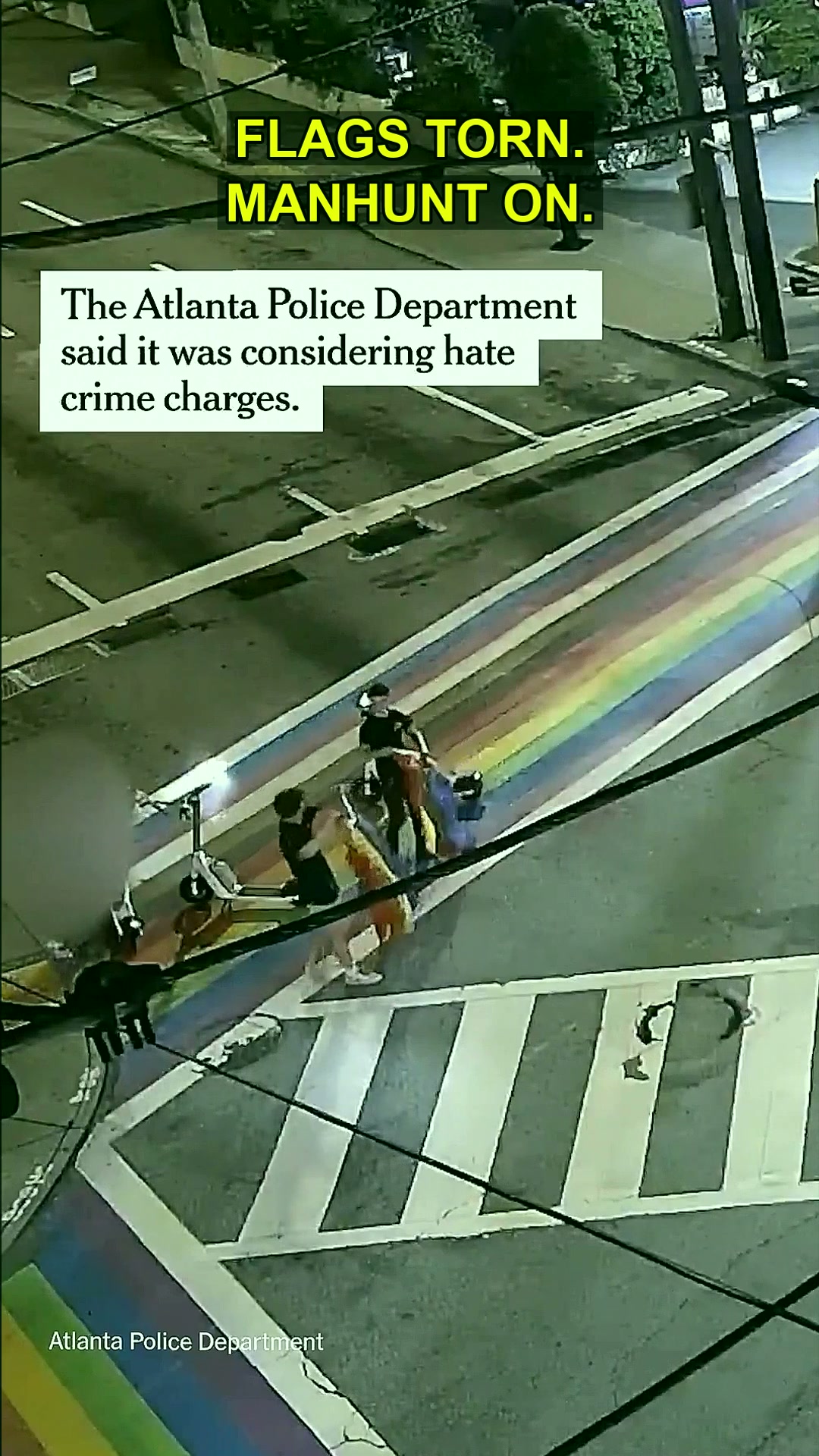
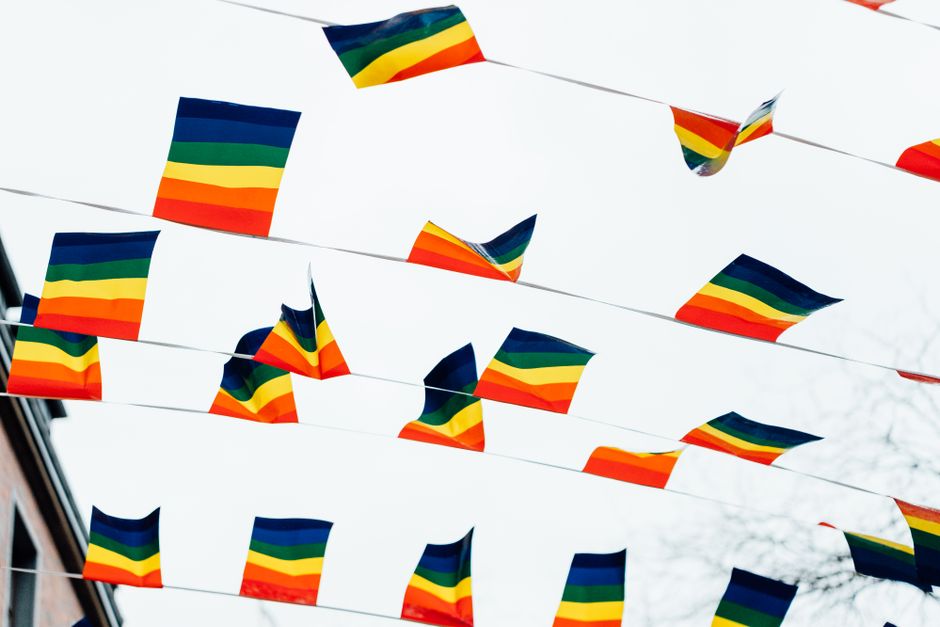
It was a quiet afternoon in the neighborhood when the peace was shattered by a sight that stopped residents in their tracks. A group of teenagers, their faces partially obscured, moved with deliberate speed toward the rainbow-colored banners that lined the street. Within moments, the vibrant symbols of pride and acceptance lay crumpled in the dirt, torn from their mounts as if the very idea of inclusion was an inconvenience to them. This wasn’t just vandalism; it was a targeted message, and the city of Atlanta is now grappling with the weight of its meaning.
The aftermath was immediate. Calls flooded into local authorities, who responded with a seriousness that signaled this was more than just a petty crime. The swift mobilization of a manhunt for these young individuals has ignited a conversation that stretches far beyond the borders of this Georgia community. It is a conversation about the climate we are creating for the next generation and the legal boundaries we draw when hatred masquerades as a prank.
Witnesses described a scene of shocking brazenness, a public display of disrespect that felt less like juvenile delinquency and more like a calculated provocation. The fact that the suspects are teenagers has added a layer of complexity to the public discourse. How did we get here? What are they learning at home, at school, or online that makes them think this level of intolerance is acceptable? These are the uncomfortable questions bubbling to the surface as the search intensifies.
“This is exactly why our community needs to stay vigilant. We cannot allow a small group of individuals to dictate that our streets are not safe for everyone.”
The Legal Precedent
As the manhunt continues, the legal machinery is already turning toward a complex question: does this act constitute a hate crime? In Georgia, the law requires more than just proving the flags were torn down. Prosecutors would need to demonstrate that the teens were specifically motivated by bias against the sexual orientation or gender identity of the people the flags represent. This is the high bar set by the state’s legislation, a standard designed to protect free expression while punishing targeted intimidation.
Proving intent is notoriously difficult. It relies on piecing together circumstantial evidence: what the teens said during the act, any social media activity beforehand, and the specific selection of the targets. Without a confession or a witness who heard a slur, the charges might be reduced to simple criminal trespass or property damage. The distinction is crucial, as a hate crime enhancement carries significantly stiffer penalties and sends a powerful message that bias-motivated acts will not be tolerated under the law.

Yet, for the residents who woke up to find their neighborhood desecrated, the legal nuances are secondary to the emotional impact. They speak not of legal definitions, but of the feeling of being targeted in their own safe space. The flags were not just cloth to them; they were a public declaration that this is a welcoming place for all. Tearing them down feels like an attempt to erase that promise, to tell a segment of the population that they are not wanted here.
The Human Story Behind the Headlines
Beyond the police scanners and the legal analysis lies the human story that is often lost in the noise. This is about a community that feels wounded, yet is responding with a resilience that is inspiring to witness. Instead of cowering in fear, residents have organized. They have pledged to replace the flags, to stand guard, and to show up for one another in a way that turns an act of hate into an opportunity for unity.
There is a profound disconnect between the alleged actions of these teenagers and the values of the community they live in. While the teens may have sought to create division, they have instead catalyzed a wave of solidarity. Neighbors who had never spoken are now exchanging phone numbers. Local businesses are offering rewards for information. The shared outrage has forged a new social contract, one based on mutual respect and a collective refusal to let fear win.
The search for the teenagers continues, and the city waits with bated breath. The outcome of the manhunt will determine whether a legal precedent is set, but the emotional precedent has already been established. This community has drawn a line in the sand, declaring that the character of their neighborhood is not for sale to the highest bidder of hate.
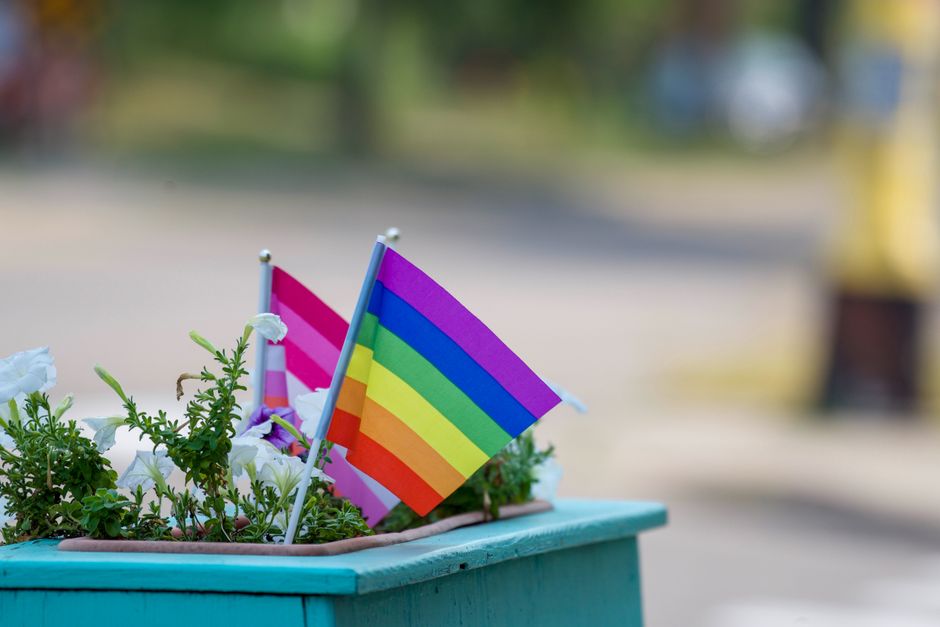
As the sun sets on another day in Atlanta, the flags are already being re-hung. New ones, brighter and sturdier, are being fastened in place. But the question that lingers in the air, unanswered, is whether the lesson of this moment will stick with the young people who caused it. Will they be found and held accountable for their actions, or will they fade back into the shadows, leaving a community to wonder if the rules of common decency apply to anyone anymore?