She Kept Her Window Seat. Then the Internet Took Everything Else.
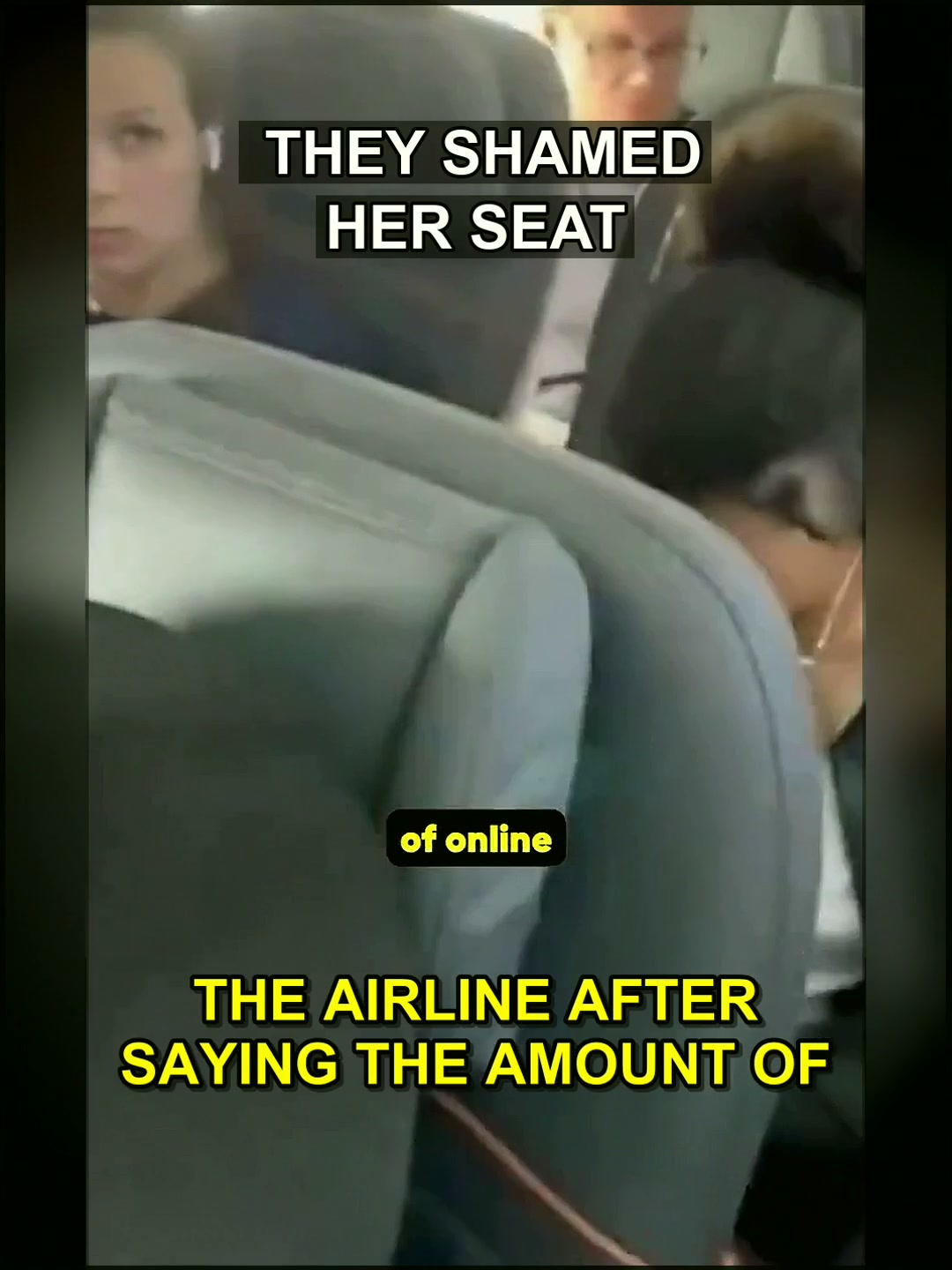
A Brazilian banker refused to give up her paid seat to a crying child on a GOL Airlines flight. The video went viral. The harassment followed her home. Now she is filing a lawsuit against the airline.
- Jeniffer Castro was filmed and shamed on a GOL Airlines flight for keeping her paid window seat.
- The viral clip triggered online harassment that she says confined her to her home and disrupted her banking career.
- She is now pursuing legal action against the airline, raising questions about duty of care and passenger privacy.
- Personal injury law may apply when emotional distress and lost income result from a carrier’s failure to protect a passenger.
Imagine settling into seat 14A. You paid for it. You chose it weeks ago. The plane pushes back from the gate, and a parent taps your shoulder, pointing at a crying child. You say no. Within hours, your face is on every screen in the country.
That is exactly what happened to Jeniffer Castro on a GOL Airlines flight in Brazil. She had a window seat. A crying child nearby. A request to move. She declined.
What followed was not a quiet disagreement between passengers. It was a filmed confrontation that turned into a viral spectacle, and then into a campaign of online harassment that she says has upended her entire life.
The Video That Would Not Die
Someone on that plane pulled out a phone. The footage spread fast. Millions of views. Thousands of comments. Strangers who were not on the flight, who did not know the full context, decided they knew everything they needed to know about Jeniffer Castro.
The internet does not do nuance. It does verdicts. And the verdict was guilty.
She was called selfish. Entitled. Heartless. The kind of woman who would make a child suffer for her own comfort. The comments piled up. The messages flooded in. The harassment did not stay on the screen.
“The amount of online hate she’s received has confined her to her house and caused a change in her professional career as a banker.”
Read that again. Confined to her house. A career derailed. All because she kept a seat she paid for.

The Legal Precedent: When a Seat Becomes a Liability
This is where the story shifts from viral drama to serious legal territory. Jeniffer Castro is not just complaining about mean comments. She is taking action against GOL Airlines itself.
Her argument, at its core, is straightforward. The airline had a duty to protect its passengers. That duty does not end when the cabin door closes. It includes protecting passengers from foreseeable harm, including the kind of public shaming that can spiral into a coordinated harassment campaign.
Personal injury lawyers evaluate cases like this by asking three questions. Was there a duty of care? Was that duty breached? Did the breach cause measurable harm?
If Castro can demonstrate that the airline failed to intervene, failed to protect her privacy, or failed to address the situation before it became a spectacle, she may have a viable claim. The damages she is reportedly citing, including lost income and emotional distress, are exactly the kind of losses personal injury law was designed to address.
This is not about whether she was right or wrong to keep her seat. It is about whether the airline allowed a passenger to become a target.

Why This Case Matters to Every Passenger
You do not have to be a banker in Brazil to see yourself in this story. Every time you board a plane, you enter a space where your choices can be filmed, judged, and broadcast to the world before you even collect your luggage.
The rules of basic respect and common sense have not kept pace with the speed of social media. A moment of disagreement becomes a permanent record. A personal decision becomes public property.
Castro’s lawsuit, if it proceeds, could set a precedent for how airlines are expected to handle conflicts between passengers. It could force carriers to think twice before allowing one passenger to be turned into a viral villain on their watch.
Legal representation in cases like this is not about revenge. It is about accountability. It is about saying that a paid seat is not a public invitation to be harassed.
“She was in the wrong, or she was not. But the consequences she faced went far beyond a seat assignment.”
The question now is not whether you would have given up the seat. The question is what happens when the next viral clip features you.
Jeniffer Castro is still dealing with the fallout. Her career is still in flux. Her life is still on hold. And the airline that sold her that seat has not yet answered for what happened after the cameras started rolling.
What do you think? Was she in the wrong here?