The Great Meltdown: Ken Paxton’s Press Conference Walkout and the Real Cost of Unchecked Power
When the boss can’t handle a simple question, it’s the worker—and the voter—who pays the price.
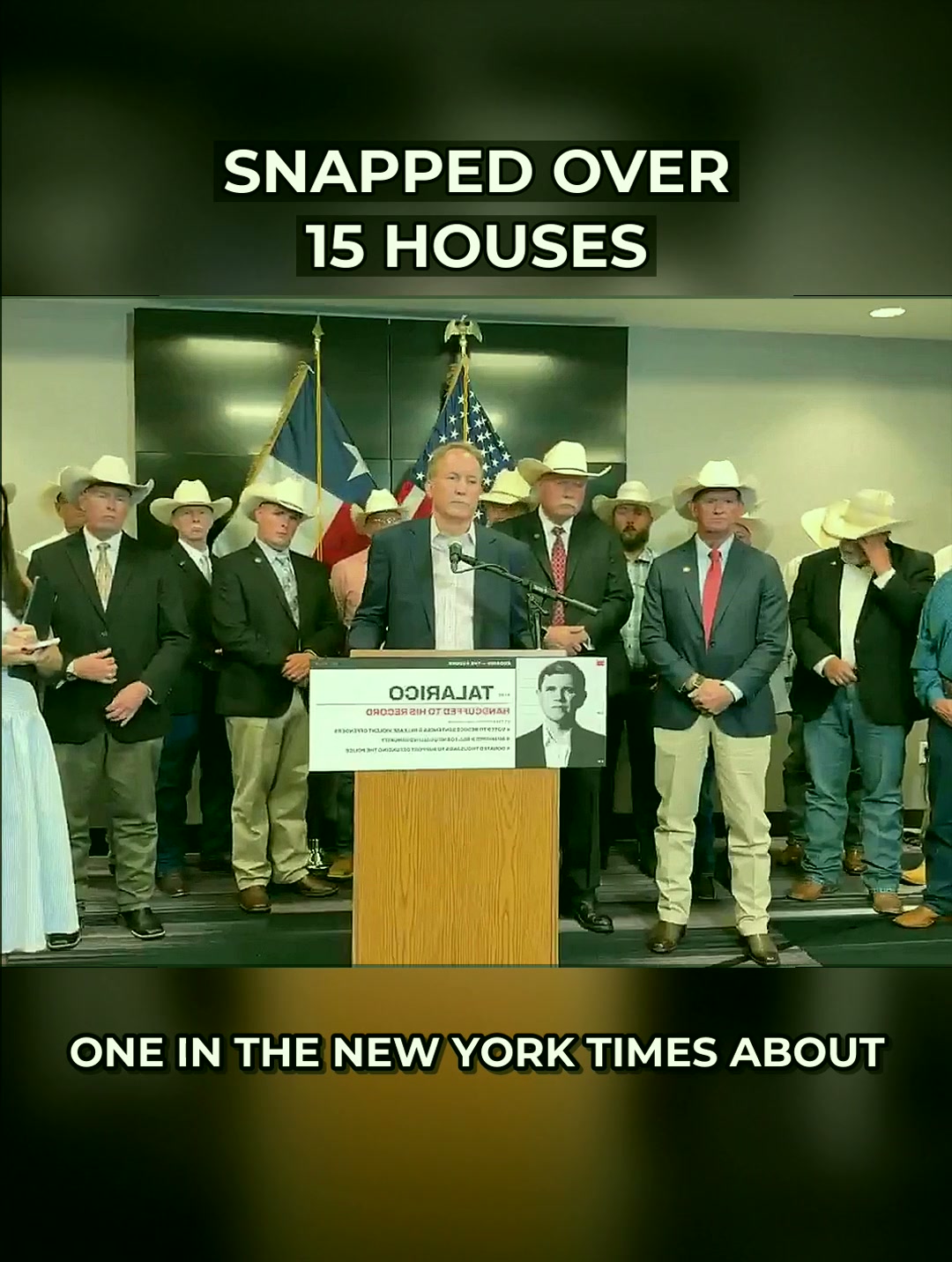
Picture this: You’re a state employee, standing in a room full of sheriffs and cameras. Your boss—the top legal cop in Texas—is supposed to be talking about law enforcement. But a reporter dares to ask about the elephant in the room: 15 houses. Alleged voter fraud. And suddenly, the boss loses it. He walks out. He leaves you holding the bag.
That’s exactly what happened to Ken Paxton last week. And if you think this is just political theater, think again. This is a textbook case of what happens when workplace accountability evaporates—and the workers (and taxpayers) are left to clean up the mess.

The Question That Broke the Camel’s Back
The reporter didn’t scream. Didn’t insult. Didn’t even raise his voice. He simply asked: “General, I wanted to give you a chance to respond to State Representative Tallarico and his campaign. They’ve made a lot about the reports that have come out. One in the New York Times about you acquiring properties worth noting.”
That’s it. That’s the whole question. A polite, direct, perfectly reasonable inquiry about public records.
Paxton’s response? “So, Jack, can we keep this to law enforcement today?”
The reporter pressed: “Well, I’m giving you the opportunity to answer that question.”
And then—poof. Paxton muttered something about keeping it to law enforcement, turned on his heel, and walked out. The sheriffs stood there. The cameras kept rolling. The silence was deafening.
“This wasn’t a debate. This wasn’t a hearing. This was a press conference—a forum designed for questions. And the man in charge ran away from one.”

What This Means for Workers—and Everyone Else
Now, you might be thinking: “I don’t live in Texas. I don’t work for Ken Paxton. Why should I care?”
Because this isn’t about one politician. This is about a pattern. A pattern where people in power—whether they’re CEOs, HR directors, or state attorneys general—believe they are above being questioned.
Think about your own workplace. Have you ever asked your boss a simple question about a policy, a decision, or a paycheck—and been met with hostility? Stonewalling? A sudden meeting cancellation?
That’s exactly what Paxton just modeled for the entire state of Texas. If you ask uncomfortable questions, the person in charge will shut you down—and walk away.
The 15 Houses Problem—And Why It Matters
The question that triggered the walkout wasn’t random. It was about Paxton’s reported acquisition of 15 properties—real estate worth millions—while serving as the state’s top law enforcement officer. The New York Times investigation raised eyebrows about how those properties were acquired and whether any conflicts of interest existed.
And then there’s the voter fraud angle. Paxton has built his political career on a crusade against alleged voter fraud—a phenomenon that experts say is virtually nonexistent. But when a reporter asks about it? Walkout.
This is the same playbook used by employers who refuse to answer questions about unpaid wages, unsafe working conditions, or discriminatory practices. Deflect. Dismiss. Disappear.

Your Rights When the Boss Walks Out
So what can you do when your boss—or your state attorney general—refuses to answer a simple question?
First, document everything. The reporter in that room did exactly what every worker should do: he asked the question on the record, in front of witnesses, with cameras rolling. That’s evidence.
Second, know your legal protections. In the workplace, you have the right to raise concerns about wages, safety, and discrimination without retaliation. If your boss walks out on you, that’s a red flag—and potentially a violation of labor laws.
Third, don’t let them off the hook. Paxton may have walked out of that room, but the question didn’t disappear. It’s now on every news site in America. The same goes for your workplace complaints: even if your boss slams the door, the paper trail remains.
The silence after Paxton’s exit was louder than any answer he could have given. And for workers across the country, that silence is a warning. When power refuses to answer, it’s because the answer would incriminate them.
Paxton walked out. But the question is still hanging in the air. And so is the bill—for the people he’s supposed to serve.