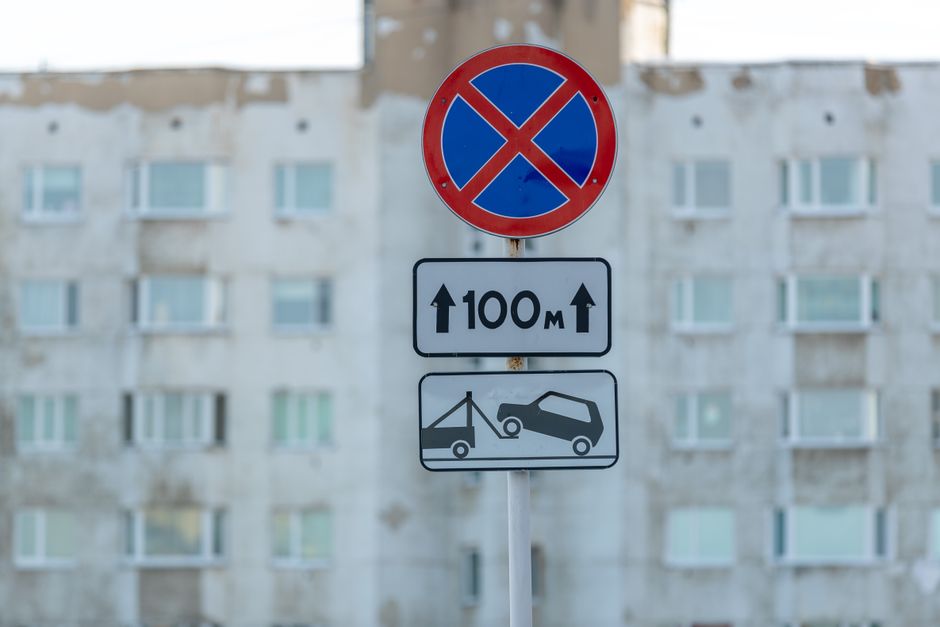
The Long Road to Justice: How One New Yorker’s Towing Nightmare Exposed a Broken Accountability System
When a private contract becomes a public crisis, who actually pays the price for corporate overreach?
Imagine stepping onto your quiet Queens street, coffee in hand, only to watch a flatbed truck haul your only means of getting to work disappear around the corner. No warning. No phone call. Just a $185 receipt taped to a lamppost and a phone number that rings endlessly. That is the reality thousands of New Yorkers face every single month, and for one local resident, it became the opening chapter of a legal battle that has now drawn the attention of consumer advocates across the state.
The vehicle owner, who asked to remain anonymous out of concern for retaliation, says the tow was not a random enforcement action. It was a targeted removal tied to a private parking agreement they never signed. The towing company insists every step was contractually sound. Local authorities arrived, looked at the paperwork, and walked away. Civil matter. Not their problem.
That single phrase, “civil matter,” has become the most expensive sentence in American consumer law.

The Legal Precedent: Where Private Rules Clash With State Civil Codes
Here is where the story stops being about one car and starts being about every driver in America. Private towing companies operate under a patchwork of municipal contracts, property management agreements, and state vehicle codes that rarely align. In New York, a towing operator can remove a vehicle from private property without prior notice if signage meets specific visibility requirements. But those requirements are vague, inconsistently enforced, and almost never explained to the person staring at an empty parking spot.
The owner in this case discovered that the signage on their block was faded, partially obscured by tree branches, and did not include the mandatory towing company registration number. Under New York General Business Law Section 399-aa, that alone could constitute a deceptive practice. But proving it requires hiring a lawyer, filing in civil court, and waiting months for a hearing that may never come.
“They told me it was a civil matter, which really means it is my problem and nobody else’s. I had to miss three days of work just to get my car back. Nobody compensates you for that.”
- Did the towing company violate state signage disclosure requirements under General Business Law Section 399-aa?
- Why did local authorities classify a documented consumer protection violation as a purely civil matter?
- What financial recourse exists for lost wages, transportation costs, and emotional distress when a vehicle is wrongfully removed?
Civil Liability and Business Codes: Hidden Legal Risks for Local Venues
The property management company behind the parking agreement is now facing uncomfortable questions of its own. Under New York Real Property Law, landlords and property managers who contract with towing operators can be held vicariously liable for wrongful removals if the operator acted outside the scope of the agreement. That means the deep pockets are not just the tow company. They are the building owner, the management firm, and sometimes even the commercial tenant who requested the removal.
Consumer attorneys say this is the pressure point that actually works. Towing companies rarely carry enough insurance to cover a meaningful judgment. Property managers do. When a demand letter lands on a management company’s desk citing documented signage failures and lost wages, settlement offers tend to appear quickly.
But that only works if the victim knows to send one. Most do not.

Similar civil confrontations across the country are forcing community leaders and local venues to confront serious liability under state regulations. Explore the full legal breakdown of related incidents →
Consumer Protection and Financial Fallout: What Precedent Does This Set?
The financial damage does not end with the tow fee. Victims lose wages. They pay for rideshares. They miss medical appointments. They face late fees on bills they cannot pay because their transportation vanished. In this case, the owner estimates total losses exceeded $2,400 before the car was even returned.
That number matters because it establishes damages in a civil claim. And damages are what force accountability when the system refuses to act on its own. Consumer protection attorneys in New York say the most effective path forward is not calling local authorities. It is filing a complaint with the state Attorney General’s Consumer Frauds Bureau and simultaneously sending a formal demand letter to every party in the chain: the tow operator, the property manager, and the landlord.
That is what justice looks like in practice. Not a dramatic courtroom moment. Not a headline. Paperwork, persistence, and the refusal to accept that “civil matter” means “your problem.”
For the owner in this case, the car is back. The fight is not over. And somewhere in New York tonight, another driver is walking outside to an empty spot, about to learn the same lesson the hard way.