Israel Expands Operations Against Hezbollah Following Major Rocket Attack as Regional Tensions Reach New Highs
Escalating Conflict in Northern Israel: A Significant Blow to Hezbollah
As regional tensions reach a boiling point, a series of precision airstrikes marks a turning point in the persistent conflict along the border.
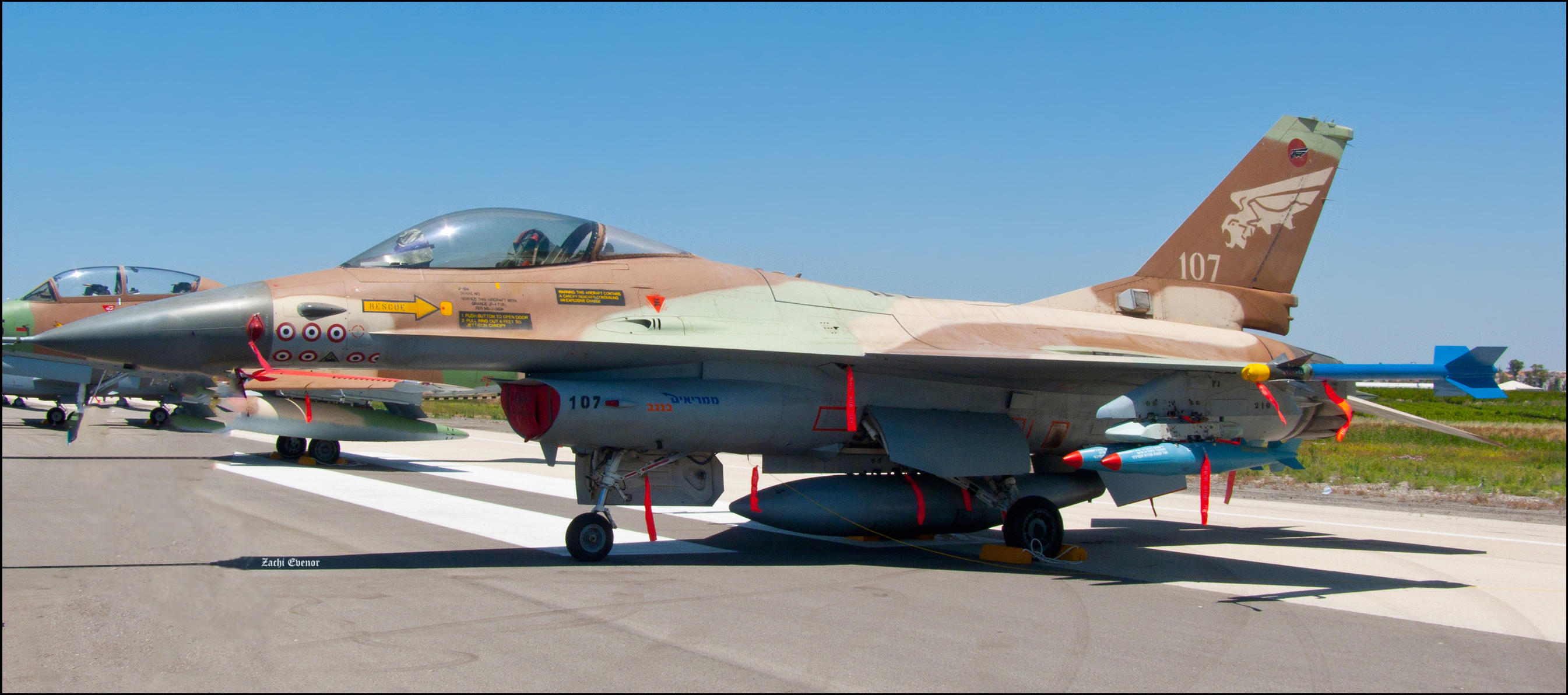
The fragile status quo along Israel’s northern border shattered this week as a massive exchange of fire signaled a significant shift in the ongoing struggle against Hezbollah. Following a barrage of more than 50 rockets launched from Lebanon into Israeli territory, the Israeli Defense Forces (IDF) responded with a concentrated wave of airstrikes targeting key militant infrastructure. The result, according to reports emerging from the region, was a significant tactical defeat for the Iran-backed organization, with casualty counts for Hezbollah militants reportedly surpassing 50 in a single operation.
For observers of Middle Eastern geopolitics, this escalation is far more than a localized skirmish. It represents a direct collision between established military doctrines and the persistent, unpredictable threat posed by non-state actors operating within sovereign borders. The intensity of the Israeli response suggests a departure from the “tit-for-tat” exchanges that have characterized the last several months of cross-border violence.
The conflict has deep roots in the security anxieties that have defined Northern Israel since the broader regional instability began. Residents of towns near the border have lived under the constant shadow of rocket fire, often forced into shelters with little notice. For these families, the question is no longer whether a broader war is coming, but rather how much longer their daily lives can be sustained under such precarious conditions.

Hezbollah’s initial rocket barrage—which triggered the most recent Israeli response—was a calculated provocation that forced a military hand. By launching dozens of rockets simultaneously, the group aimed to overwhelm defense systems and demonstrate a degree of operational capacity that defies international efforts at de-escalation. However, the severity of the subsequent Israeli airstrikes suggests that the tactical costs of such provocations are rising significantly for the militant group.
Military analysts point out that the high number of reported casualties among Hezbollah militants serves as a stark warning. The ability to identify and neutralize such a large number of combatants in a single series of strikes implies high-level intelligence and precise targeting capabilities. It is a message intended not only for the militants themselves but also for their regional sponsors who provide the logistical and financial support necessary to maintain these operations.
Proponents of the Israeli strategy argue that such decisive action is the only language understood by organizations committed to the destruction of the state. They maintain that a policy of restraint has only emboldened the group to acquire more advanced weaponry and expand its reach. From this perspective, the strikes were a necessary measure to ensure the long-term safety of Israeli citizens and to re-establish a credible deterrent.
Conversely, international observers and diplomatic circles have expressed deep concern regarding the potential for this localized violence to spiral into a wider regional catastrophe. There is a persistent fear that if the current cycle of escalation continues unchecked, it could draw in larger state actors, ultimately destabilizing the entire Levant. The challenge for global leaders now is to balance the right of a sovereign nation to defend its borders with the urgent need to prevent a full-scale regional conflagration.
The United Nations Security Council remains a focal point for international efforts to mediate the volatile situation in the Middle East.
The broader implications for the United States are significant, as Washington maintains a vested interest in regional stability and the containment of Iranian influence. American policy in the region has long struggled to strike a balance between supporting a key democratic ally and avoiding the entanglements of a wider Middle Eastern war. Each rocket fired and each airstrike conducted complicates the diplomatic landscape for U.S. officials trying to navigate these shifting alliances.
As the dust settles, the immediate focus turns to the potential for retaliation. Hezbollah, despite the loss of dozens of its members, maintains a massive arsenal and a deep network of loyalists. The group’s leadership now faces a difficult calculation: continue the path of escalation, which has proven costly, or pivot to a different form of engagement that avoids direct, high-intensity conflict with the Israeli military.
Public reaction within Israel has been one of grim resolve. There is a broad national consensus that the security of the northern territories must be guaranteed, yet there is also a deep-seated anxiety regarding the human and economic costs of a prolonged conflict. The government is under immense pressure to deliver safety, but the path to achieving that through military means remains fraught with uncertainty.
The rugged terrain of Northern Israel serves as the backdrop for the ongoing tactical and political standoff.
Furthermore, the conflict highlights the growing reliance on advanced technology in modern warfare. From the rocket guidance systems used by Hezbollah to the surveillance and precision-strike capabilities utilized by the IDF, this fight is increasingly determined by which side can better integrate information, speed, and lethality. For ordinary citizens, this evolution in warfare means the battlefield is no longer confined to remote outposts; it now intersects directly with their neighborhoods and their sense of national security.
Transparency and accountability remain at the center of the debate. As governments and militant groups alike shape the narrative of their actions, the fog of war often obscures the reality of what is truly happening on the ground. For the American taxpayer, who ultimately funds much of the military aid provided to allies in the region, understanding the nuances of these conflicts is essential for evaluating the effectiveness of foreign policy decisions made in Washington.
Ultimately, the events of this week serve as a sobering reminder of how quickly the regional order can shift. The defeat of a significant number of Hezbollah militants may provide a tactical reprieve, but it does not resolve the underlying ideological and territorial disputes that fuel the conflict. The cycle continues, and for those living in the shadow of this struggle, the search for a lasting peace remains as elusive as ever.