The Humiliation Heard Round the Heartland: When the Crowd Turns on the Candidate
Iowa’s iconic political tradition collides with a wall of voter fury, raising uncomfortable questions about tone, power, and the unspoken rules of public service.
- Public backlash against political figures is a raw display of voter sentiment that cannot be legislated away.
- The incident highlights a growing frustration with career politicians who appear to use public offices as launching pads.
- For workers, the scene is a stark reminder that accountability is a two-way street—whether in the voting booth or the break room.
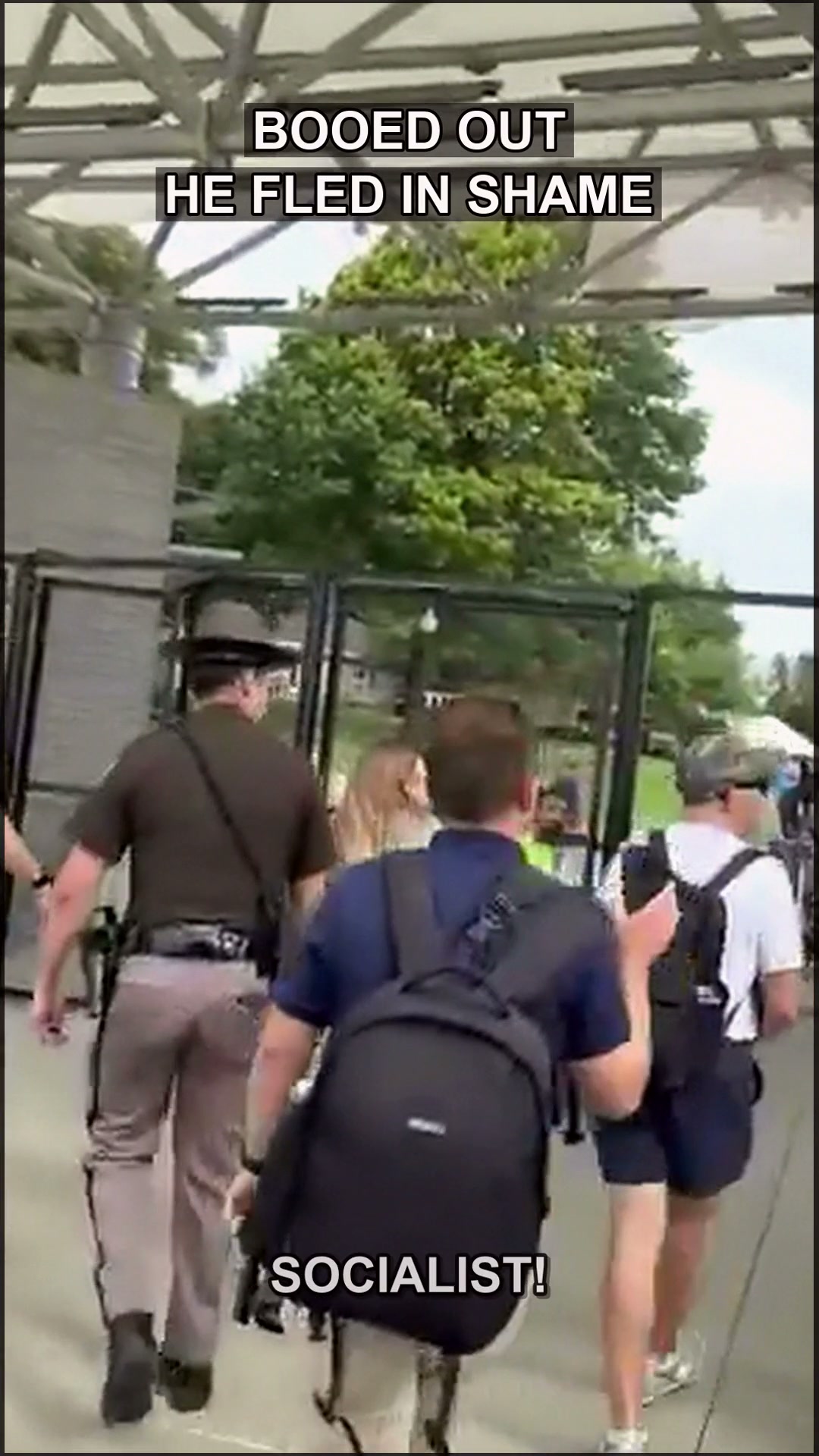
The Iowa State Fair is supposed to be the great equalizer. Corn dogs, butter sculptures, and the sacred ritual of politicians pressing the flesh. But this year, the script flipped violently. A candidate for governor walked into the lion’s den, and the lions did not just roar—they lunged. The boos started low, a rumble of discontent, before swelling into a deafening chorus that forced the candidate to retreat, tail between his legs, to the safest place he could find: a public restroom.
Witnesses described a scene of pure chaos. The candidate, a man who has built his career on auditing the books of others, suddenly found himself on the receiving end of a brutal audit of his own character. The crowd wasn’t just unhappy; they were furious. Chants of “Get a CPA!” and the dreaded “Socialist!” rang out, echoing off the livestock barns. This wasn’t a polite debate. This was a public execution of reputation.

Let’s be clear about what happened here. This wasn’t a handful of hecklers. This was a sustained, organized, and deeply emotional rejection. The candidate had to be physically extracted by police, a humiliation that will follow him for the rest of the campaign. The image of a grown man, a former prosecutor, hiding in a bathroom stall while awaiting a police escort is not just embarrassing—it is politically radioactive.
The Unwritten Rules of Public Service
There is a social contract in politics. You listen to the people, and the people let you speak. But when that contract is broken, when the public smells a whiff of opportunism or arrogance, the reaction can be swift and merciless. The crowd’s specific taunt about the Auditor’s Office being a “stepping stone” cuts to the heart of the matter. Voters are not stupid. They see through the polished ads and the practiced smiles. They know when a public servant is actually a self-server.
This raises a critical question for every worker in America: What happens when the person in charge is perceived as using their position for personal gain? In the corporate world, that gets you fired. In the political world, it gets you booed out of the building. The standard is the same, but the consequences in the public square are far more visceral. It is a raw, unedited truth that the electorate, much like a fed-up boss, will eventually demand accountability.
The Legal Precedent and the Workplace Parallel
Legally, the crowd’s actions were entirely within their rights. Public spaces are arenas for free speech, and a politician’s appearance is an implicit invitation for feedback, even if that feedback is a wall of sound designed to drive them out. There is no law against being booed, no protection from the court of public opinion. The police escort was a safety measure, not a legal judgment. It was about preventing a physical altercation, not silencing dissent.
For the average worker, this scene is a mirror. It reflects the power dynamics that exist in offices and job sites across the country. When a manager or HR department acts with impunity, ignoring complaints or using their position to bully subordinates, they are betting that the worker will not fight back. But just like the crowd at the fair, there is a breaking point. The question is whether you, the employee, have the same courage to stand up and say, “Get out of here,” when your rights are being trampled. The law provides mechanisms for wrongful termination and discrimination claims, but it takes a spine to use them.

The fallout from this fairground brawl is just beginning. The candidate’s camp will spin this as an attack by a vocal minority, but the video evidence tells a different story. It shows a candidate losing control of the narrative, and more importantly, losing the respect of the very people he wants to govern. In a state known for its “Iowa Nice” reputation, this display of hostility was a seismic event.
“The Auditor’s Office is not a political stepping stone!”
That single shout encapsulates the entire tragedy of the event. It speaks to a deep-seated belief that the system is being gamed, that public offices are being used as résumé builders rather than service posts. It is the same sentiment that drives worker distrust in corporate leadership. When the CEO takes a bonus while laying off staff, or the supervisor takes credit for your hard work, the anger is identical. It is a violation of common sense and basic respect.
As the candidate dusts himself off and plots his next move, one thing is certain: the memory of that bathroom retreat will not fade. He will hear the echoes of those boos at every campaign stop from now until Election Day. The crowd has spoken, and their message is simple: we are watching, and we will not be ignored. The question now is whether other politicians, and indeed other bosses, are paying attention to the writing on the wall.
The silence after the storm is deafening. The fair goes on, the corn dogs are still fried, but the political landscape has shifted. A line has been drawn in the sawdust, and it is a line that no amount of spin can erase. The candidate may have left the building, but the judgment of the crowd has just begun. And for those of us watching from the bleachers, it is a sobering reminder that power, whether political or corporate, is always one bad decision away from a humiliating fall.