Justice After the Cameras Stop Rolling: What Accountability Really Looks Like When Force Goes Too Far
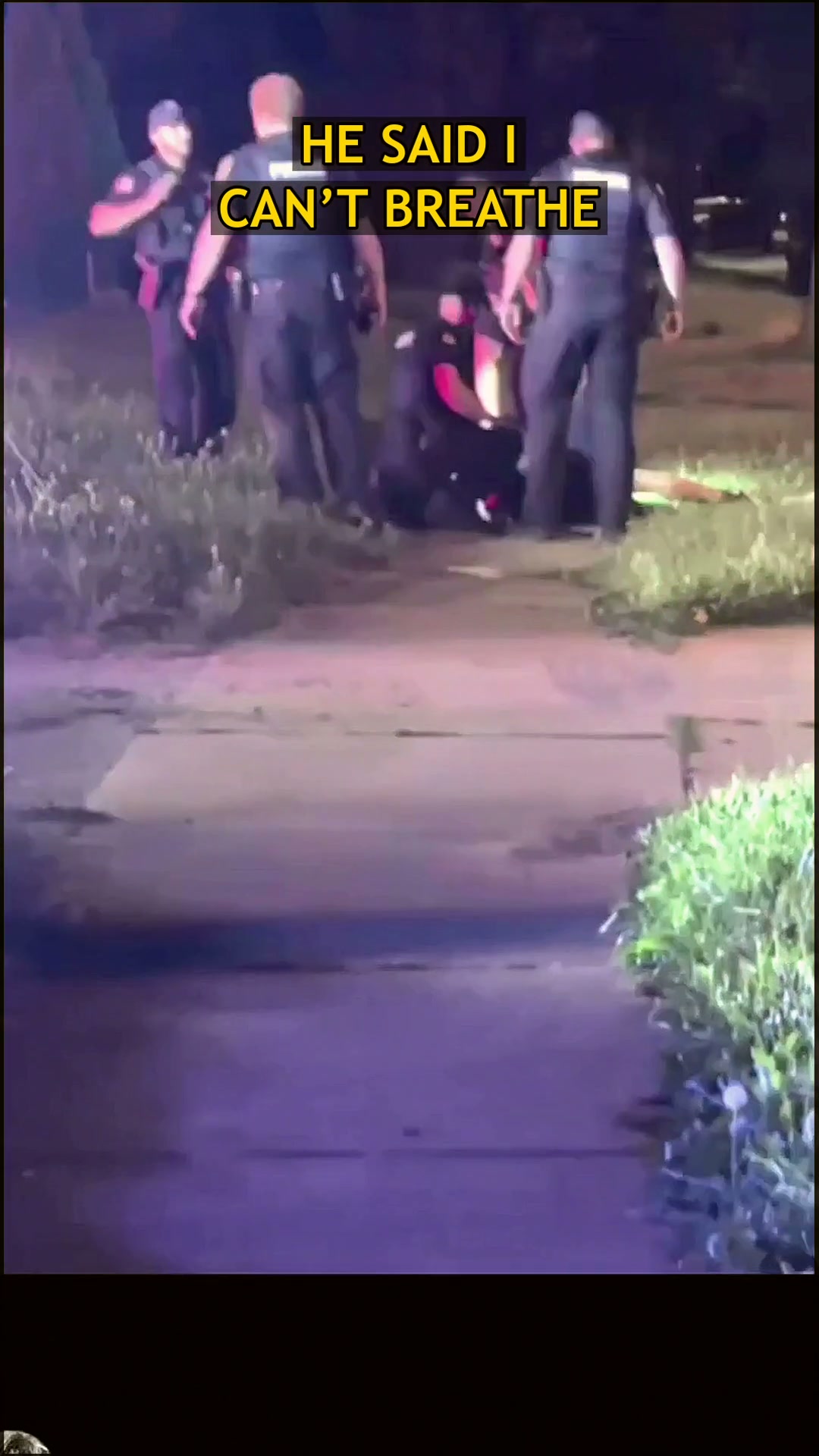
Behind every viral restraint video is a real person, a real family, and a legal system that decides whether anyone answers for it
The footage is almost impossible to watch. A man is on the ground. An officer is on top of him, knee pressed into his back, fist swinging down again and again. Bystanders record. The internet does the rest.
Within hours, the clip is everywhere. Within days, the questions pile up. Who was this man? What was he accused of? And more importantly, who decides whether what happened to him was lawful or something else entirely?
That last question is where the real story begins. Not in the viral moment, but in the quiet, bureaucratic machinery that grinds into motion after the cameras stop.

The Legal Precedent: Where Use-of-Force Standards Meet Constitutional Limits
Here is what most Americans do not realize: there is no single national rulebook for how much force an officer may use. The standard comes from a 1989 Supreme Court decision that asks whether the force was “objectively reasonable” given the circumstances.
That phrase sounds clean. In practice, it is a battleground. Defense attorneys argue the officer feared for his safety. Civil rights attorneys argue the threat had already ended. A jury, months or years later, decides which story holds up.
“The video is the beginning of the case, not the end of it. What matters is what the system does with what the video shows.”
For the man on the ground in that footage, the legal road ahead is long. Civil claims can take years. Internal reviews often conclude with a brief statement and no public explanation. The burden of proof rests on the person who was already on the pavement.
- Will an independent review be conducted, or will the department investigate itself?
- What civil remedies exist for a person subjected to force that a jury later deems excessive?
- How long will the public wait before any official finding is released, if ever?
- Who pays the settlement if a civil claim succeeds, and does that create any real deterrent?
This is the part that never trends. The part where a family waits for a phone call from a lawyer. The part where a city’s insurer quietly budgets for a payout that will come from taxpayer funds. The part where the officer involved is placed on administrative leave and then, often, quietly returns to duty.
Civil Liability and Victim Rights: The Financial and Legal Fallout Nobody Explains
When force crosses a legal line, the consequences are not just moral. They are financial. Municipalities across the country pay out hundreds of millions of dollars every year in settlements related to excessive force claims. That money does not come from the officers’ pockets. It comes from residents.
For the person on the ground, the path forward runs through a maze most Americans never have to navigate. Filing a complaint. Retaining counsel. Documenting injuries. Waiting. And waiting.
There are resources. Civil rights organizations, legal aid clinics, and state-level oversight boards exist in many jurisdictions. But they are underfunded, overwhelmed, and rarely publicized. The people who need them most often learn about them last.

Community Accountability and the Follow-Through Problem
Here is the uncomfortable truth about viral incidents: outrage is not accountability. A million views does not produce a finding. A hashtag does not produce a settlement. What produces consequences is documentation, legal representation, and a community that refuses to move on.
In cities where these incidents have led to real reform, the pattern is consistent. Residents show up at council meetings. Attorneys take cases they know will take years. Journalists file public records requests. Oversight boards get funding. Body camera policies change. It is slow, unglamorous work.
Similar civil disputes across the country are forcing community leaders and local venues to confront serious liability under state regulations. Explore the full legal breakdown of related incidents →
Meanwhile, the man in the video is left with something the system does not reimburse: the memory of what it felt like to be on the ground while someone else decided how much force was enough.
His family is left with the same question every family in this position asks. Will anyone be held responsible, or will this be one more incident that fades from the feed and disappears into a filing cabinet?

The footage is over in seconds. The case is just starting. And for the people living it, the outcome will define the rest of their lives, whether the rest of us ever hear about it again or not.