Your Rights Mean Nothing When Federal Agents Storm Your Workplace
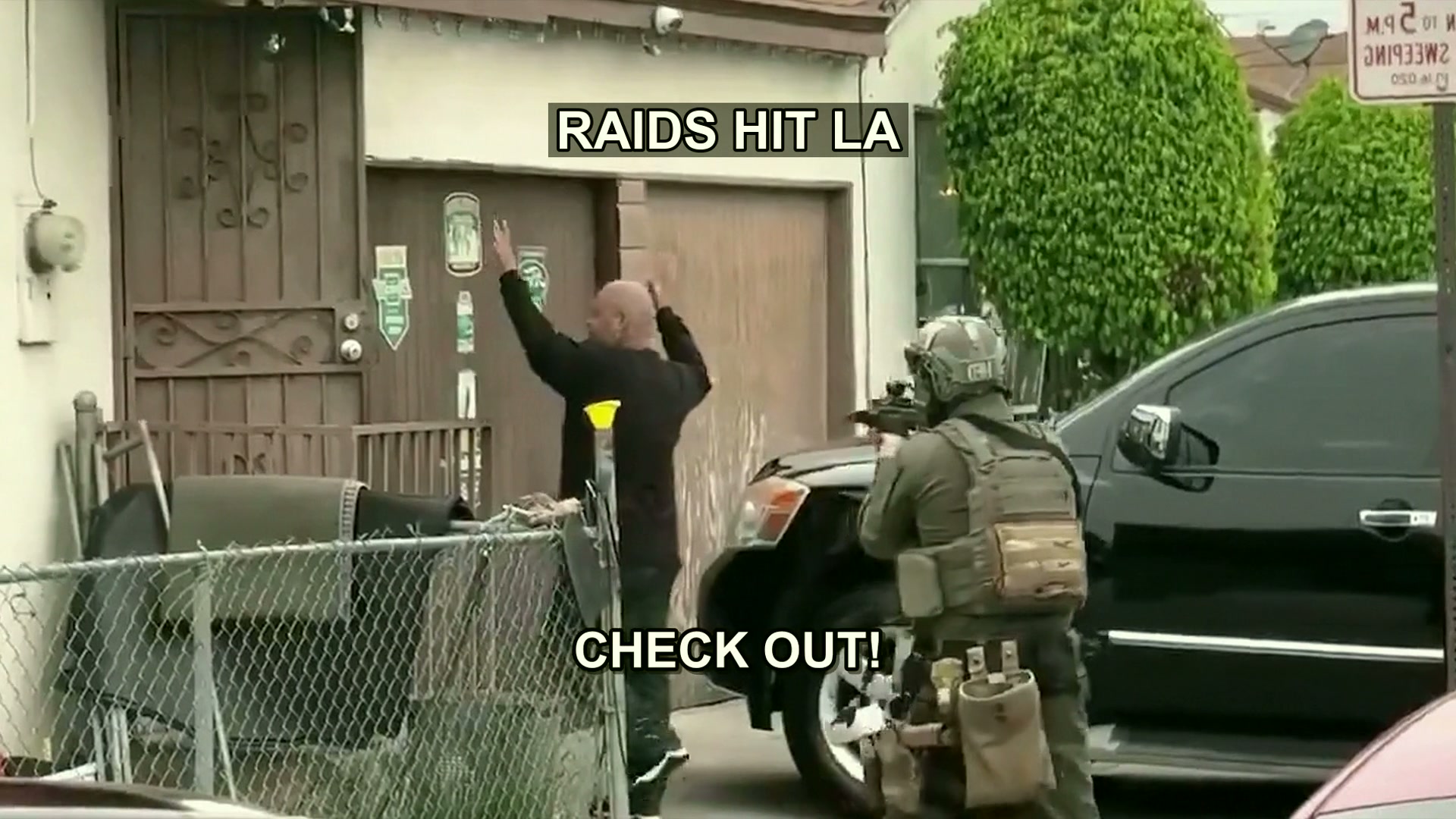
ICE raids in Los Angeles expose the brutal gap between what the law promises workers and what actually happens on the ground.
The commands come fast and sharp. “Don’t move! Don’t move! Walk backwards!” Officers swarm. Workers freeze. In seconds, the normal rhythms of a Los Angeles workplace shatter into chaos.
This isn’t a movie scene. This is what happens when Immigration and Customs Enforcement decides your place of employment is fair game for a raid. And right now, it’s happening in Los Angeles.

The timing is no accident. After weeks of political fireworks between California Democrats and federal immigration authorities, the hammer has dropped. ICE pledged to double down on enforcement. They kept that promise.
The Real Victims Are Working Americans
Forget the political theater for a second. Forget the shouting matches between Gavin Newsom and Washington. The people caught in the crossfire are ordinary workers clocking in for their shifts.
They’re kitchen staff. Janitors. Construction workers. Delivery drivers. People who showed up to earn a paycheck and ended up with handcuffs.
“The Fourth Amendment requires warrants based on probable cause. But in practice, consent is often coerced, and workers don’t know they can refuse entry.”
Here’s the ugly truth most people don’t want to say out loud: workplace raids don’t discriminate between documented and undocumented workers. They create a climate of terror that affects everyone on site. Your papers, your status, your citizenship — none of that matters when an agent barks orders at your face.
Where Is Employer Accountability?
This is the part that should make you furious. Under federal law, employers are supposed to verify worker eligibility through I-9 forms. But when ICE shows up, how many bosses actually protect their employees’ rights?
Almost none.
Most employers hand over access immediately. They cooperate fully. They throw their workers under the bus to avoid being investigated themselves. And the law allows it.
The Immigration and Nationality Act gives ICE broad authority to inspect I-9 records. But workplace raids operate in a legal gray zone. Employers can consent to entry. Workers generally cannot stop them. And once agents are inside, the Fourth Amendment protections get real fuzzy, real fast.
What Labor Law Actually Says — And What It Doesn’t
Employment law guarantees workers certain protections. Minimum wage. Overtime. Safety conditions. Freedom from discrimination. But none of those protections include a shield against federal immigration enforcement.
Workers have the right to remain silent. They have the right to refuse consent to a search. They have the right to ask for a warrant. But in the chaos of a raid, with agents shouting commands, those rights collapse under the weight of fear.
“Common sense and basic respect disappear the moment federal agents enter a workplace. The rule of law means nothing without accountability.”
The consequences are devastating. Families separated. Paychecks vanished. Entire communities thrown into panic. And the employers? They face minimal repercussions. Maybe a fine. Maybe a warning. Meanwhile, the workers who built their businesses face deportation.

This is exactly why our community needs to stay vigilant. The raids happening in Los Angeles right now aren’t an isolated event. They’re a warning shot. A signal that workplace enforcement is escalating, and the legal system has not caught up.
Workers who know their rights have a fighting chance. Those who don’t? They’re left with nothing but the sound of orders echoing in a room that used to feel safe.