The Thin Blue Line: When Public Order Clashes With Worker Rights on German Streets
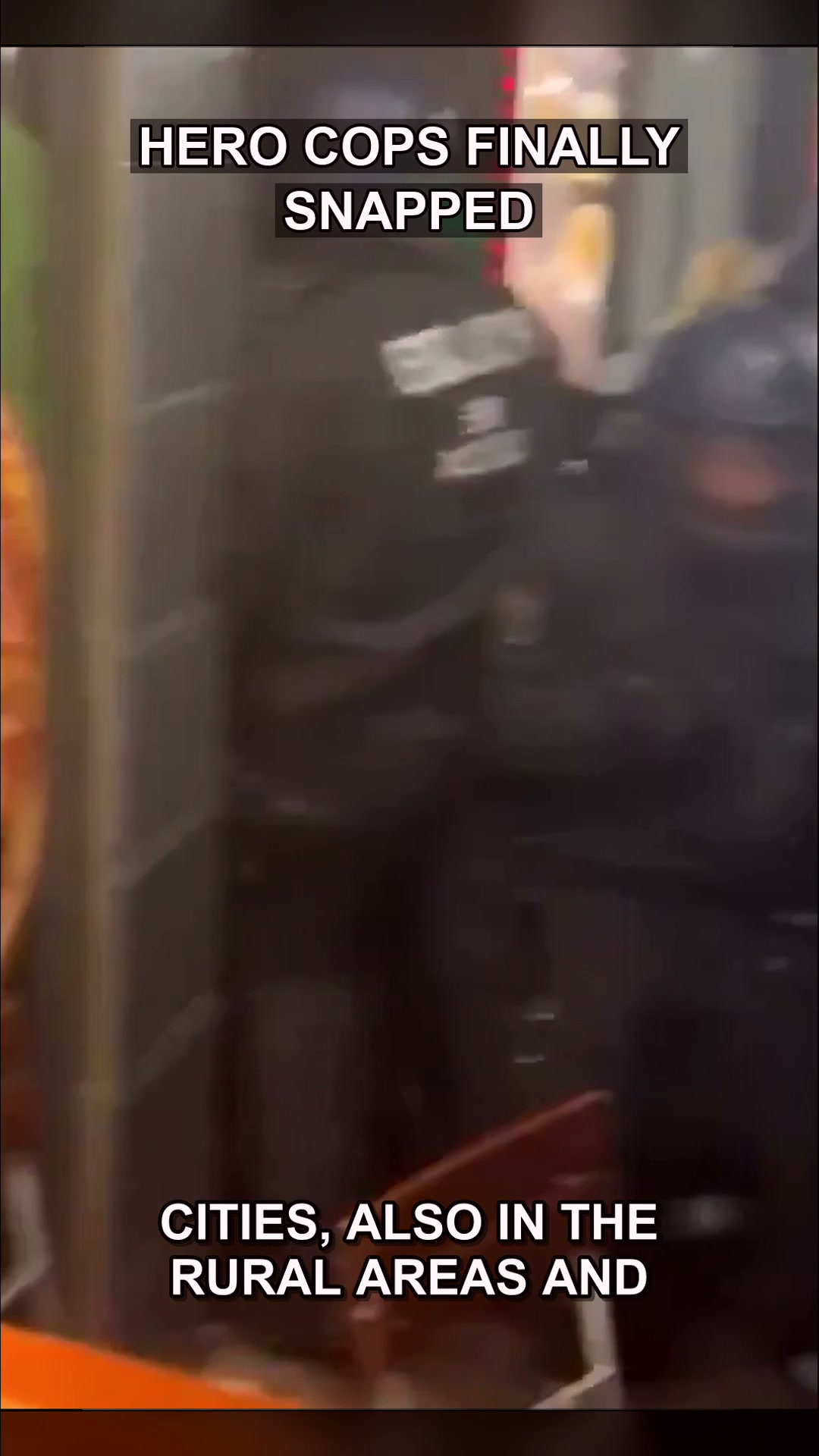
Law enforcement is drawing a hard line in the sand, but what does that mean for the average employee caught in the crossfire?
- German authorities are escalating responses to ongoing public disruptions, moving beyond major urban centers into rural communities.
- Workers face a double bind: the right to protest is protected, but the right to a safe, uninterrupted workplace is often left vulnerable.
- Legal accountability is shifting—employers may be liable for failing to protect staff, while police are under pressure to restore order swiftly.
The morning commute is supposed to be the most predictable part of your day. You grab your coffee, you hit the road, you clock in. But across Germany, that predictability is shattering. Officials have been asked to step in, to stop the chaos that has spilled from the capital into the countryside. This is not just a story about police tactics; it is a story about the collision between public disruption and the daily grind of the working class.
The scenes are tense. Streets that should be filled with delivery vans and early risers are instead blocked by demonstrators. The police, visibly frustrated, are no longer playing nice. The instruction is clear: restore order, clear the streets, and let the honest citizens get back to their lives. But when the tear gas clears, a lingering question remains for the average worker: who is protecting your paycheck when the city is in turmoil?
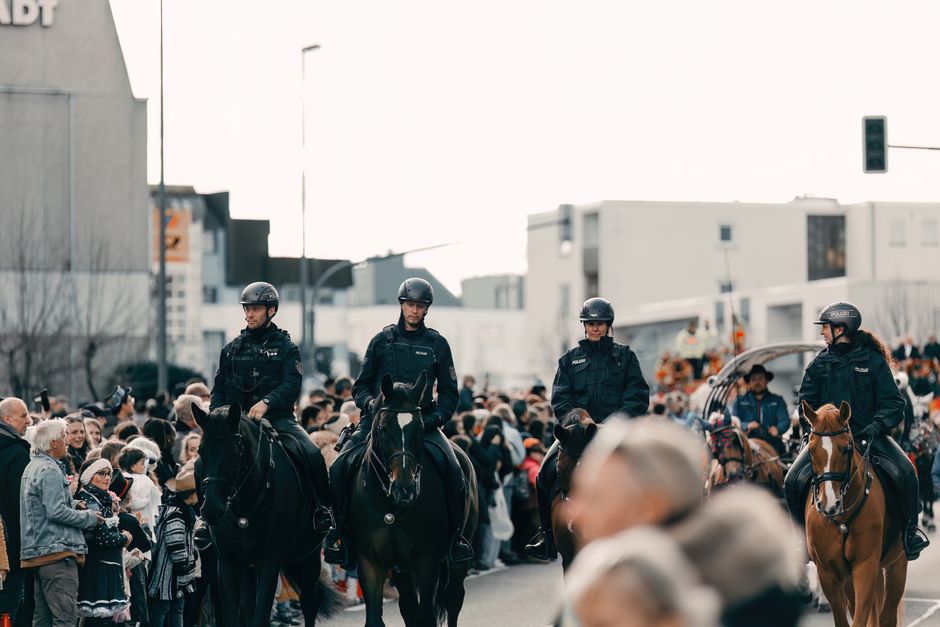
This isn’t an isolated incident in Berlin. The transcript confirms that what started in the cities has now metastasized into the rural areas. Shopkeepers in small towns, factory workers on the outskirts, and delivery drivers are all watching their local streets being overtaken. The disruption is no longer a distant headline; it is a direct hit to their livelihood. Every hour a road is blocked is an hour of lost wages, a delayed shipment, or a missed shift.
The Employer Trap: When “Force Majeure” Fails You
Here is where the legal reality gets ugly. If you cannot get to work because a protest has shut down the main artery of your town, your employer is not legally obligated to pay you. In Germany, the risk falls on the employee. You are the one absorbing the financial hit for a situation you had zero control over. And if you are told to work from home, but your job requires physical presence? You are out of luck.
“The law often treats the blocked street like a snowstorm—it is an act of nature, and the worker bears the cost.”
This is the silent crisis of labor rights. While the cameras focus on the clashes at the barricades, the real damage is happening in the wallets of ordinary people. The employer holds the power, and the “act of God” clause is being stretched to cover human-made chaos. It is a legal loophole that leaves thousands of workers exposed, with no safety net.
The Legal Precedent: Duty to Protect vs. Duty to Provide
The situation forces a re-evaluation of what “accountability” means. On one hand, the state has a duty to ensure public safety. On the other, employers have a duty to provide a safe working environment—but does that include protection from external protestors? The courts are split. Some rulings suggest that if a business loses money due to blockades, the state may be liable for compensation. But that process takes years, and the average worker cannot wait that long to pay rent.
Police action is the immediate solution, but it is a band-aid on a systemic wound. The officials “asked to stop” the situation are operating on the front lines, but the structural failure lies in the lack of legal clarity for workers. There is no “hazard pay” for navigating a riot to get to your shift. There is no compensation for the anxiety of wondering if your job is safe when your city is not.
The outrage is justified. The average citizen just wants to work, earn a living, and go home. Instead, they are pawns in a larger game of political expression. The police are cracking down, but the economic damage is already done. The question is not whether the streets will be cleared—they will be. The question is whether the worker will ever see justice for the days they lost.
The Unspoken Cost of Obedience
When the police order the crowds to disperse, the immediate threat fades. But the fear remains. Employees who managed to show up are now asked to “make up” the time they missed. HR departments are sending out stern emails about productivity. The blame is shifting from the protestors to the workers who were blocked by them. It is a classic corporate deflection—turn the victim into the villain.
This is the reality that no one is talking about. The legal protections that exist are fragmented. If you are fired for missing too many days due to street closures, you might have a case for wrongful termination. But you will have to fight for it. The system is not designed to help you; it is designed to test you.
As the situation escalates, the pressure builds. The police are doing their job, but the aftermath is a minefield for the labor force. The authorities in the rural areas are now watching, and they are ready to act. The streets are being reclaimed, but the silence in the workplace is deafening.
The next time you clock in, remember this: the chaos outside the gates is not your fault, but the system is ready to make it your problem. The law is slow, the employers are unforgiving, and the streets are unpredictable. The only thing standing between you and financial ruin might be a pay stub and a prayer.