Gaza Is The Most Welldocumented Genocide In History Yet The Most Denied Httpstcoqafzvkqq9O
In Gaza, a Battle Over the Word “Genocide” — and What It Means for America
The claim that Gaza is “the most well-documented genocide in history, yet the most denied” has become a flashpoint in a global argument over evidence, law, memory, and U.S. responsibility.
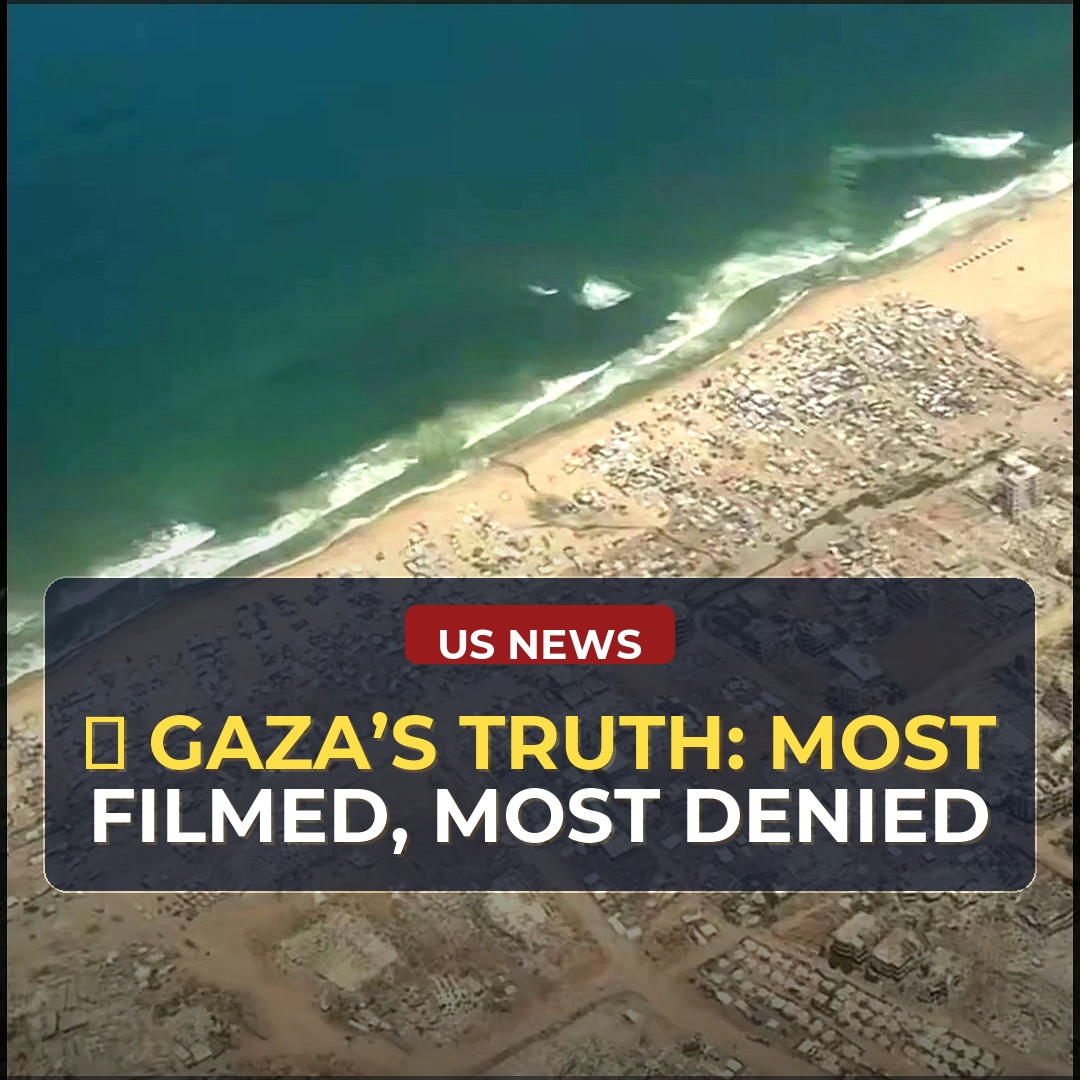
A view of Gaza’s landscape amid the war, where widespread destruction has fueled international allegations and intense debate.
Few words in modern politics carry as much legal and emotional weight as “genocide.” For months, that word has been at the center of a painful public argument, sharpened by a striking claim circulating across social media: “Gaza is the most well-documented genocide in history, yet the most denied.”
The line has become a kind of rallying cry for pro-Palestinian advocates. It points to the extraordinary amount of footage captured by Palestinian journalists, aid workers, and ordinary residents using smartphones, documenting what they describe as a shattered civilian landscape in the Gaza Strip.
But for many Americans, the phrase raises deeper questions: What counts as documentation? Who gets to decide whether a conflict is a genocide? And what does it mean when a term created to describe an absolute moral horror becomes part of a high-stakes political debate?
Those questions are not academic. They are now pressing on international courts, American university campuses, U.S. foreign policy, and the way ordinary citizens understand truth in wartime.
South Africa’s genocide case against Israel at the International Court of Justice has placed the legal meaning of “genocide” at the center of global attention.
The current controversy traces back to October 7, 2023, when Hamas-led gunmen crossed into southern Israel, killed roughly 1,200 people, and took hundreds of hostages, according to Israeli officials. Israel responded with a massive military campaign in Gaza, vowing to destroy Hamas and free the captives.
Since then, the civilian toll has been enormous. According to Palestinian health authorities, tens of thousands of Palestinians have been killed, and much of Gaza’s housing, health care, and sanitation systems have been severely damaged or destroyed. Aid organizations have repeatedly warned of hunger, disease, and the collapse of basic services.
Palestinian advocates say the scale of suffering is not just a tragic byproduct of war. They argue it is part of a deliberate pattern. Human rights groups and United Nations investigators have accused Israel of carrying out attacks that, in their view, may amount to “atrocity crimes” or genocide. They point to strikes on densely populated neighborhoods, the blocking of fuel and medical supplies, and statements by some Israeli officials that they describe as dehumanizing language toward Palestinians.
Israel rejects the genocide charge with force. Israeli leaders say the war is a lawful exercise of self-defense following a brutal terrorist attack. They argue that the Israel Defense Forces not only targets Hamas fighters but also tries to limit civilian casualties, despite fighting in an environment where Hamas intentionally embeds its military operations in homes, schools, and hospitals.
“There is no genocide,” Israeli officials have maintained repeatedly in international forums. They accuse South Africa, which brought the case to the International Court of Justice, of twisting the facts to isolate the Jewish state. Israel also points to Hamas’s stated goal of destroying Israel and its refusal to protect civilians as evidence that any moral blame for civilian suffering belongs to the militants.
That clash has turned the phrase “most well-documented genocide in history” into a legal and public-relations weapon. Social media posts, documentary films, campus protests, and emotional