The Hidden Legal Loopholes That Could Save Your Savings From the Gas Station Screw Scam
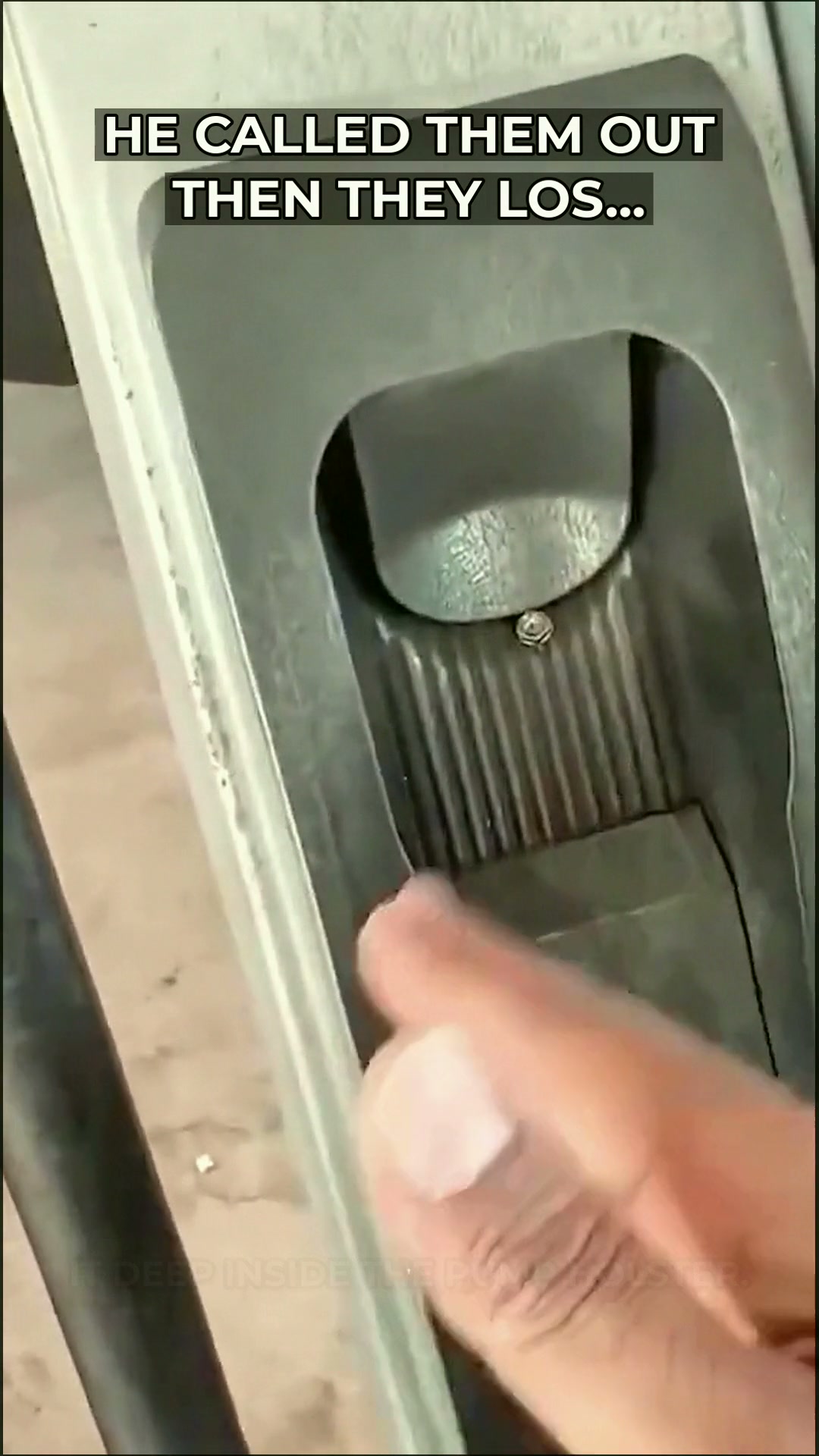
While you are pumping gas, a tiny piece of hardware is quietly draining your bank account—and the people running this scheme are betting you will never fight back.
- Scammers insert a screw into the pump holster to keep your session open, leaving you liable for the next customer’s fuel.
- Your financial liability depends on how quickly you report the unauthorized charge to your bank and the merchant.
- Consumer protection laws and chargeback rights are your strongest legal weapons, but only if you document everything.
You pull up to the pump, swipe your card, fill your tank, and hang the nozzle back up. Simple, right? Wrong. A tiny construction screw jammed deep inside the pump holster has just turned your routine errand into a financial trap. The nozzle does not hang up, your session stays open, and the next driver in line fills their tank on your dime.
This is the “screw method,” and it is spreading across gas stations nationwide. But what makes this scam particularly infuriating is not just the stolen money—it is the brazen attitude of the people running it. When confronted, these individuals have the audacity to flip the script and insist you are the villain for catching them red-handed.

The Mechanics of the Screw Method: How They Catch You Off Guard
The setup is almost laughably simple. A standard construction screw is driven deep into the pump holster—the cradle that holds the nozzle when you are done. Under normal conditions, hanging the nozzle back up triggers a switch that ends your transaction. With the screw in place, that switch never engages.
Your session remains active. The pump is now live for the next customer. They walk up, grab the nozzle, and start filling their tank without ever swiping a card. The charge hits your account, often hours later, when you have no idea what happened. By the time you spot the discrepancy, the station attendant is either playing dumb or pointing the finger at you.
This is not a sophisticated cyberattack. It is a hardware hack that exploits your trust in everyday infrastructure. And the people behind it are counting on you to be too busy, too tired, or too intimidated to demand accountability.

The Financial Liability Trap: Who Pays for the Stolen Fuel?
Here is the part that keeps ordinary Americans up at night: your bank account is the one that takes the hit. The pump does not care who was physically holding the nozzle. The transaction is tied to your card, your account, and your hard-earned money.
If you report the charge to your bank within a reasonable window, you have federal protections under the Fair Credit Billing Act and the Electronic Fund Transfer Act. These laws cap your liability for unauthorized charges, but they do not guarantee instant relief. The bank will launch an investigation, and during that time, your money is frozen in limbo.
“They’ll steal from you, and if you call them out on it, their little vicious pea brains will insist you’re the villain.”
But here is the ugly truth: if you wait too long, if you throw away the receipt, or if you do not have the pump number, the station can claim the charge was legitimate. They will say you filled up more than you thought, or that you authorized the transaction. Without evidence, you are left arguing with a machine and a merchant who has no incentive to help you.
