Frontier Flight Chaos: The Hidden Financial Trap When One Passenger Refuses to Comply
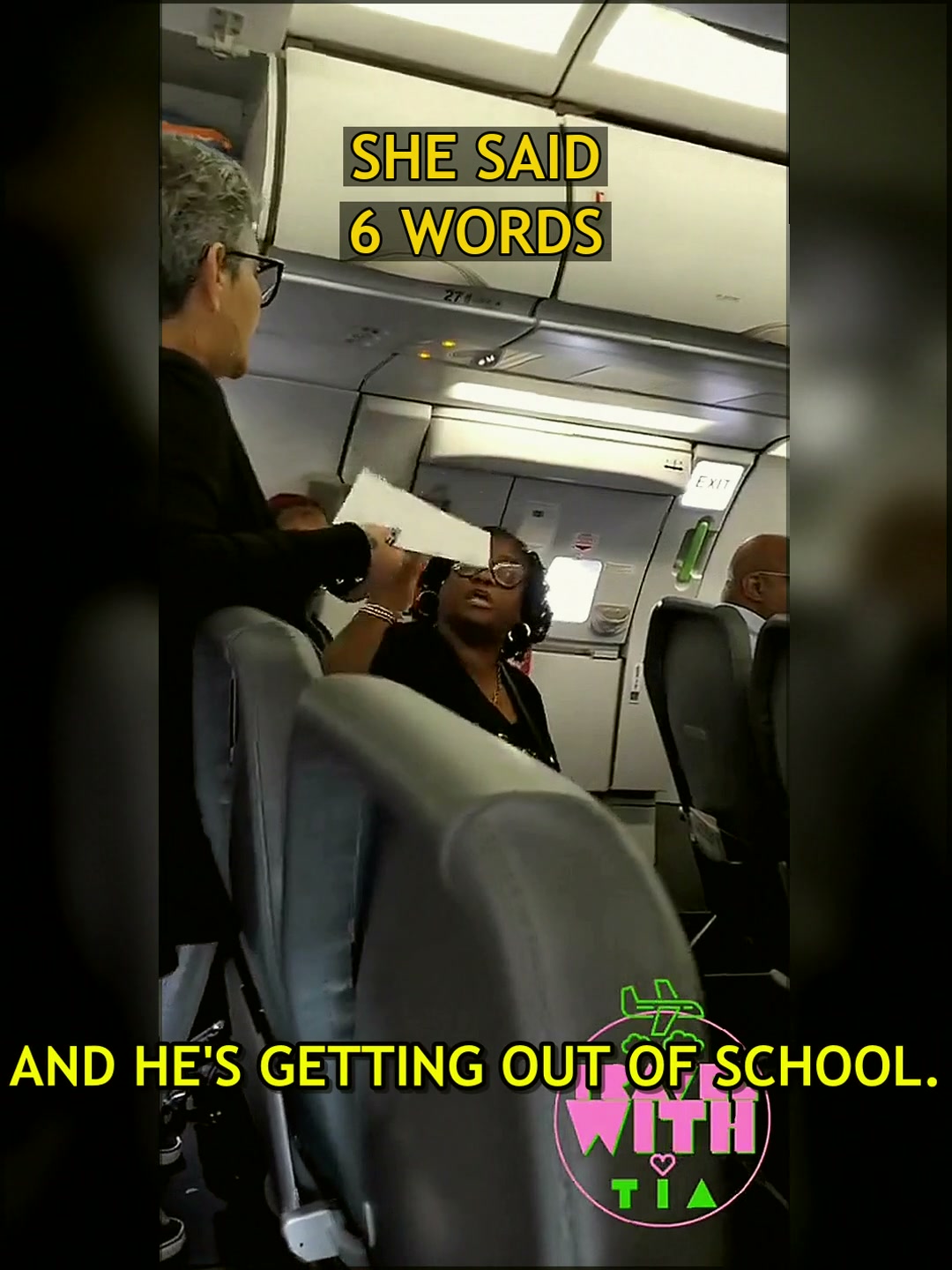
When a single traveler’s defiance forces an entire cabin off the plane, who pays the price — and what legal options do stranded passengers actually have?
Imagine settling into your window seat, tray table up, phone on airplane mode. Then a voice crackles over the intercom: everyone off. Not a mechanical issue. Not weather. One passenger refused to follow crew instructions, and now the entire cabin is paying for it.
That is exactly what unfolded on a recent Frontier Airlines flight, where a single traveler’s refusal to comply with basic crew directives triggered a full deplaning. Dozens of passengers — many with connecting flights, hotel reservations, and non-refundable bookings — were suddenly standing in a terminal with no clear answers.
And here is the part nobody warns you about: the airline may owe you almost nothing.
Civil Liability & Airline Contract Terms: The Fine Print That Leaves You Stranded
Most travelers assume a ticket guarantees transportation. It does not. An airline’s Contract of Carriage — the legally binding document buried in your booking — gives carriers sweeping authority to remove passengers and cancel segments for operational or safety reasons.
When a passenger is removed for non-compliance, the airline typically classifies the disruption as outside its control. That classification matters enormously. It determines whether you get rebooked, refunded, or simply told to try again tomorrow.
Here is the brutal distinction. A cancellation legally entitles you to a full refund — even on a non-refundable ticket — if you choose not to travel. A delay, however, often entitles you to nothing but a rebooking on the next available flight. Sometimes that is three days later.
“Passengers think a ticket is a promise. Legally, it is closer to a conditional invitation — and the conditions almost always favor the carrier.”
The passenger who caused the disruption? They may face placement on an internal no-fly list. They will not face a class-action lawsuit from 150 stranded travelers. There is no legal mechanism for that.
- Does a removed passenger bear any financial liability for the disruption caused to other travelers?
- Are airlines legally required to compensate passengers when a delay stems from another traveler’s non-compliance?
- What documentation do stranded passengers need to pursue a refund or claim under federal consumer protection rules?
For the travelers left behind, the financial damage compounds fast. Missed business meetings. Forfeited hotel nights. Rental cars idling in a distant city. None of it is reimbursable through the airline under standard contract terms.
Travel insurance may cover some losses — but only if the policy explicitly includes common carrier delays. Most basic policies exclude them. Reading the exclusions after the fact is a painful education.
Consumer Protection & Financial Fallout: What Precedent Does This Set?
Federal rules require airlines to provide refunds when a flight is cancelled or significantly changed — regardless of the reason. The Department of Transportation has tightened enforcement on this in recent years, forcing carriers to clarify refund policies in writing.
But a delay is not a cancellation. And a passenger-caused disruption sits in a gray zone that consumer advocates say leaves travelers exposed.
Similar consumer disputes across the country are forcing travelers and regulators to confront gaps in airline accountability under state and federal rules. Explore the full legal breakdown of related incidents →
Here is what stranded passengers can actually do. First, request a written explanation for the delay. Second, file a complaint with the DOT — carriers are required to respond. Third, if the flight was ultimately cancelled, demand a refund in writing, not a voucher.
Vouchers are not refunds. They expire. They carry blackout dates. They are, in the eyes of consumer attorneys, a tactic to retain revenue while appearing generous.
“The airline did not cause the disruption. The passenger did. But the passenger has no money to sue for — and the airline knows it.”
Credit card chargebacks offer another path. If you paid for a service you never received, your card issuer may side with you under fair billing rules. It is not guaranteed, but it is a documented option that costs nothing to pursue.
The Legal Precedent: Where Private Rules Clash With State Civil Codes
State consumer protection laws vary wildly. Some states require airlines to disclose delay compensation policies at the point of sale. Others do not. This patchwork means your rights depend heavily on where your journey began.
Legal analysts note that the passenger who refused to comply could theoretically face civil claims from the airline for operational costs — but airlines almost never pursue them. The optics are terrible and the recovery is minimal.
That leaves ordinary travelers holding the bag. They paid for a service. They did nothing wrong. And yet the system offers them no direct remedy against the person who caused the chaos.
What happens next is the part that should keep every traveler up at night. The passenger who refused to comply walks away with, at most, a ban from one airline. The stranded families absorb the losses. And the airline faces no obligation to make anyone whole.
Until federal rules explicitly address passenger-caused disruptions, the financial risk lands squarely on you. Check your travel insurance exclusions before you fly. Know your refund rights before you board. And document everything the moment something goes wrong.
Because the next time a single passenger decides the rules do not apply to them, it will not be their wallet that takes the hit.